contact@haitiwonderland.com+509 36184317

Discover

Shopping Cart

The enrichment of France at the expense of Haiti, a History of Injustice and Exploitation

The enrichment of France at the expense of Haiti, a History of Injustice and Exploitation

In 1804, Haïti emerged from the flames of revolution as the world’s first independent black republic, but its freedom would come at a steep price. France, a former colonial power, orchestrated an unprecedented economic revenge, weaving a web of exploitation and injustice that would hamper Haiti’s development for generations. This toxic relationship, marked by extortion and violence, not only shaped the destiny of one nation but also filled the coffers of another, leaving deep scars that persist to this day. Immerse yourself in this story, a gripping tale of colonial greed and resilience, which reminds us of the importance of never forgetting the injustices of the past and their lasting impact on our world today.

Haïti
Haïti
Haïti

Colonization and exploitation

The colony of Saint-Domingue (present-day Haiti) was one of the richest French colonies in the 18th century. Through the production of sugar, coffee, indigo and cotton, Haïti was a major source of wealth for France. This prosperity was made possible by the brutal exploitation of African slaves, who worked in inhumane conditions to generate colossal profits for the French colonists.

Haïti
Haïti
Haïti

The Haitian Revolution and independence

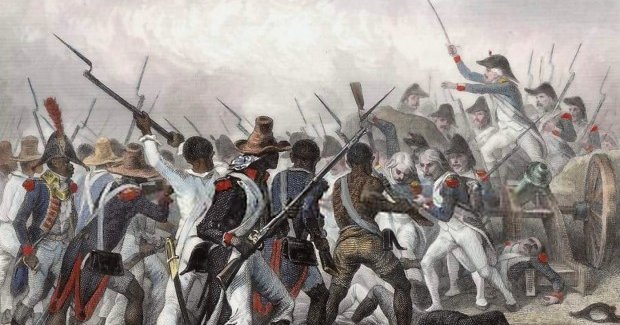
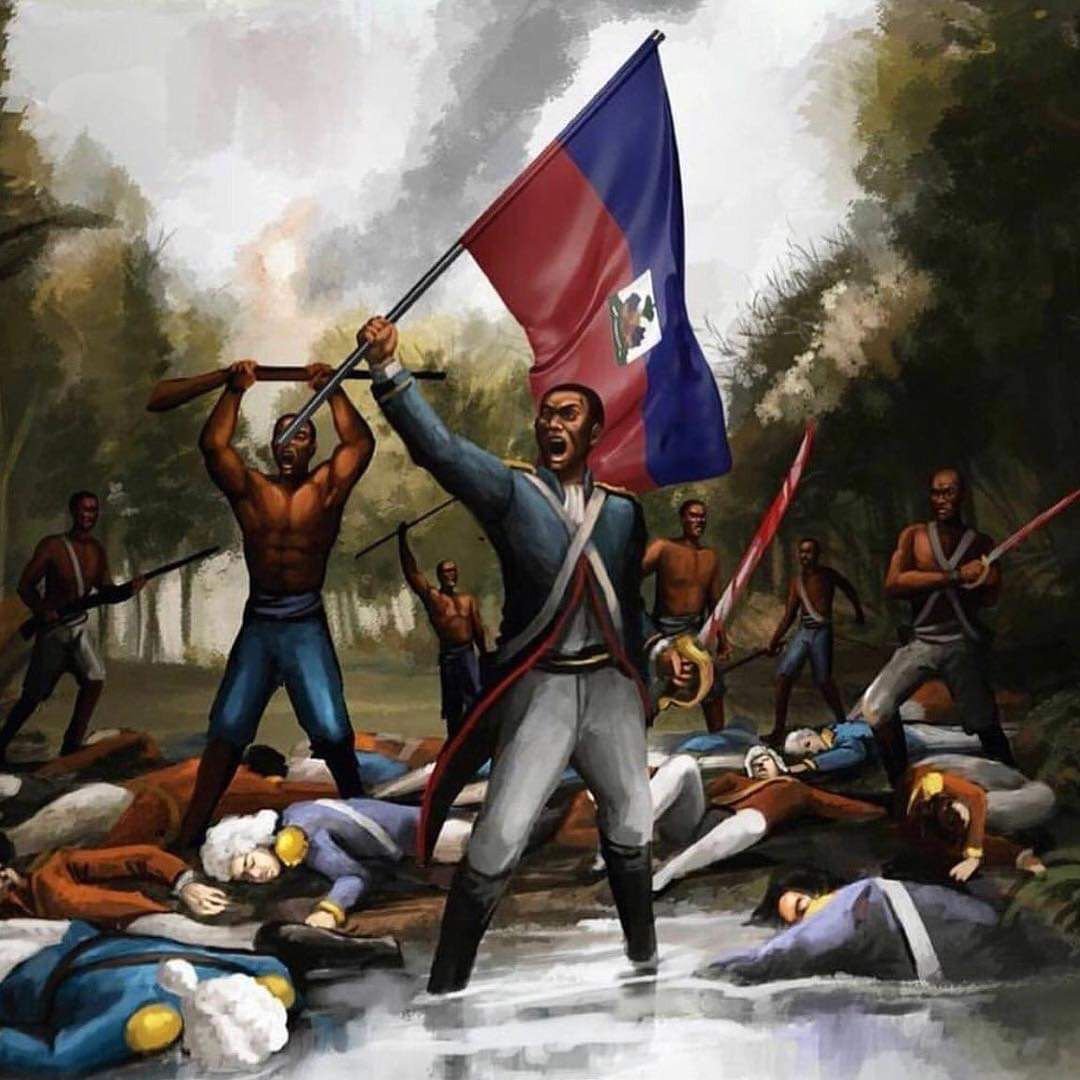
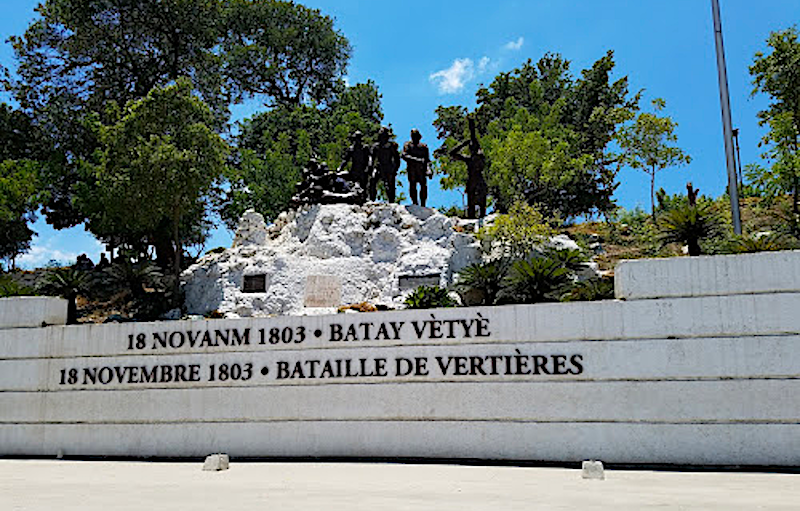
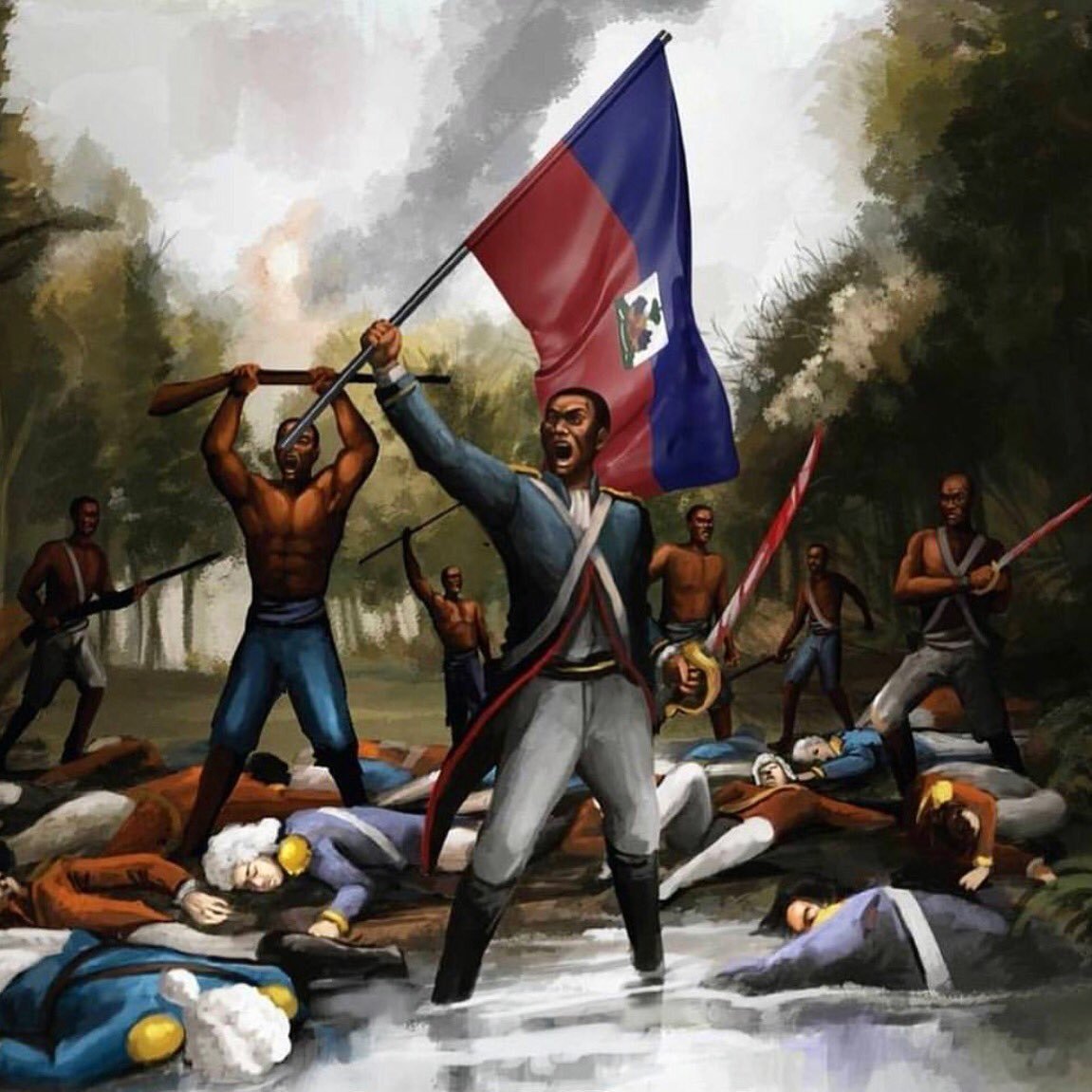
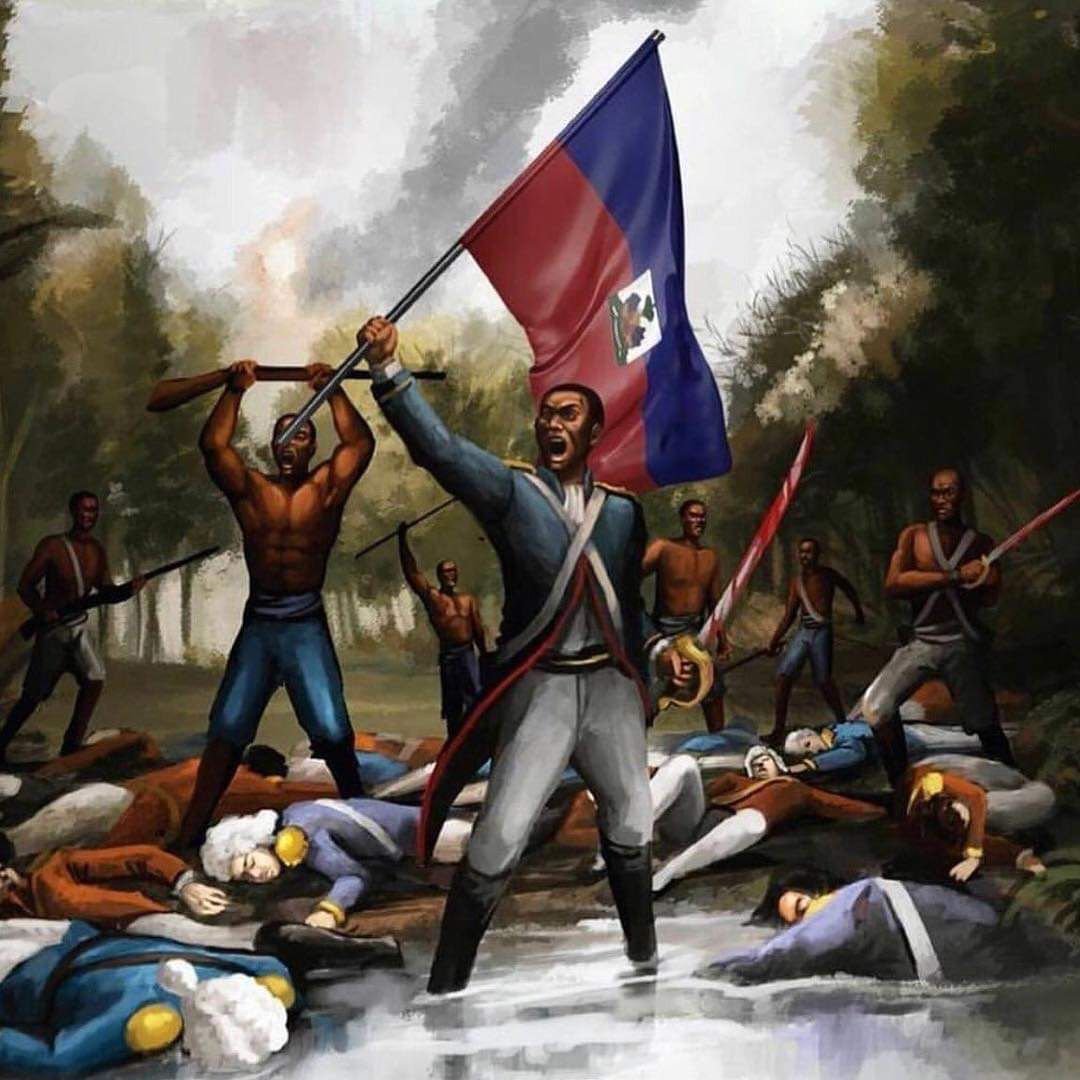
The Haitian Revolution, which took place from 1791 to 1804, is a major event in world history. It began as a slave revolt in the French colony of Saint-Domingue and evolved into a struggle for independence that changed the course of history.

Inspired by the ideals of the French Revolution and guided by charismatic leaders like Toussaint Louverture and Jean-Jacques Dessalines, the slaves and freedmen of Saint-Domingue rose up against the brutal colonial system. The revolt quickly grew in strength, challenging not only French authority but also invasion attempts by the Spanish and British.

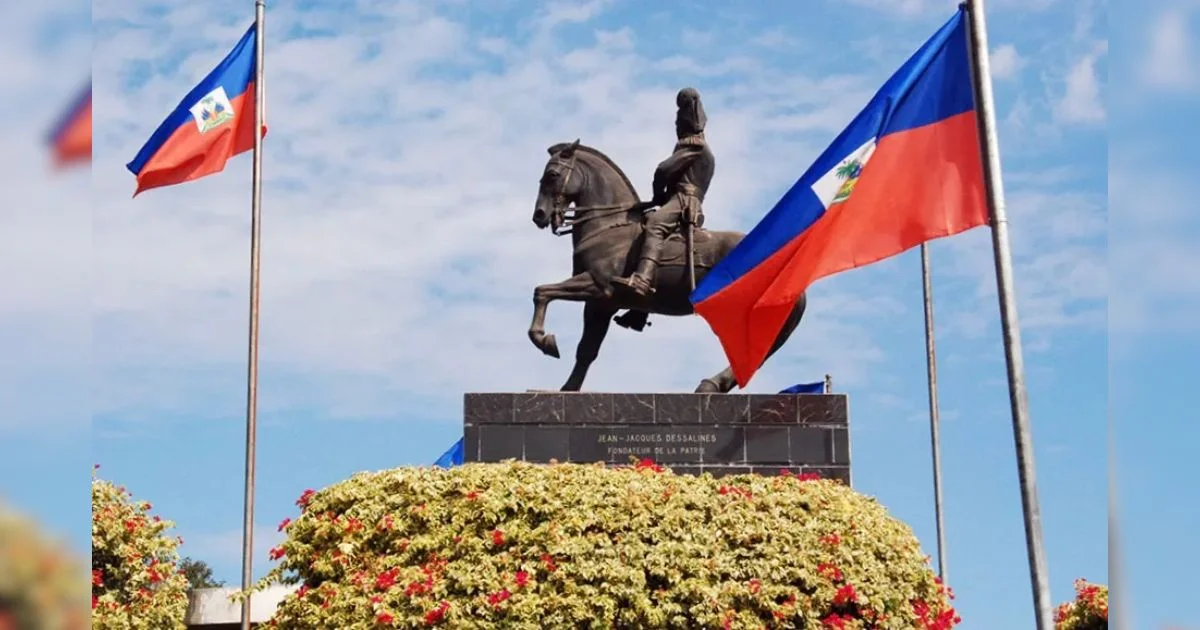
On January 1, 1804, after years of bloody fighting, Jean-Jacques Dessalines proclaimed the independence of Haiti. This historic moment marked the birth of the world’s first independent black republic and the only nation founded by former slaves.

The Haitian Revolution had a profound impact on the Atlantic world. It shook the foundations of the slave and colonial system, inspiring liberation movements across the Americas. For the first time, the principle of racial equality was enshrined in a country’s constitution.

However, Haiti’s victory also aroused fear and hostility from the colonial powers. Diplomatically and economically isolated, the young nation faced immense challenges from its first days of independence.

Discover the history of Haiti: A fascinating story to explore! : https://haitiwonderland.com/haiti/histoire/decouvrez-l-histoire-d-haiti--un-recit-fascinant-a-explorer/81

Haïti
Haïti
Haïti

The price of independence: economic extortion

France, humiliated by its military defeat, orchestrated a devastating economic revenge. Under threat of invasion and an international blockade, Haïti was forced to pay an astronomical "indemnity" to its former colonizer. This debt, intended to compensate for the loss of the colony and its slaves, amounted to 150 million gold francs - the equivalent of tens of billions of euros today.

The payment of this debt had devastating consequences for the Haitian economy. Haïti had to borrow at high interest rates from French banks to pay this colossal sum. This financial burden weighed down the Haitian economy for decades, preventing it from developing its infrastructure and institutions. Meanwhile, France used this money to strengthen its economy and finance its own colonial ambitions elsewhere in the world. Additionally, annual debt payments have siphoned off much of the country’s economic resources, thereby enriching France and its banks.

Long-term repercussions

The consequences of this debt and colonial exploitation are still visible today. Haïti remains one of the poorest countries in the world, with underdeveloped infrastructure and fragile institutions. The debt of independence has created a vicious circle of poverty and underdevelopment, from which Haïti is struggling to free itself.

Haïti
Haïti
Haïti

Need for restitution and repair

The history of French-Haitian relations is a striking example of how former colonial powers maintained their economic dominance well after the formal independence of their colonies. It raises crucial questions about historical responsibility and the need for reparations, not only for Haïti but also for other countries that have suffered similar injustices. Recognizing past wrongs and putting in place remedial measures can play a crucial role in rebuilding a more equitable and sustainable economy for all.
Haïti and the price of independence: https://haitiwonderland.com/haiti/histoire/haiti-et-le-prix-de-l-independance/136

This dark chapter in Haiti’s history must be told and taught around the world. It reminds us that freedom sometimes comes at an exorbitant price and that the injustices of the past continue to shape our present. Understanding this history is essential to building more equitable international relations and to allowing Haïti to finally overcome the obstacles inherited from its colonial past.

Ultimately, Haiti’s story is also a story of extraordinary resilience. Despite the immense obstacles it faced, the Haitian nation survived and continues to fight for a better future. It is a powerful testament to the strength of the human spirit in the face of adversity.

Share
About the Author
Appolon Guy Alain
Appolon Guy Alain
Appolon Guy Alain

Full Stack Developer, Créatif, expérimenté, passionné des nouvelles technologies et de l’art.

See other articles from Appolon Guy Alain
Neil T. Rigaud

Thanks for sharing this.

02 Me 2025 | 10:37:42 PM
Leave a comment

Recently Posted

Newsletter

Subscribe to our newsletter to stay informed of all our activities and news on Haiti.

The Port-au-Prince Book Fair announces the opening of author registration for its second edition

The Port-au-Prince Book Fair is a literary initiative of the cultural organization Port-au-Prince Book Fair (OCSLP), based on the desire to promote Haitian culture in general, with a particular focus on literature. The organizers of the event have just announced the registration of authors, who will number 20, and those of publishing houses, who will number 5 for the second edition, which will take place on Friday, December 13, 2024, in the premises of the French Institute in Haiti. The registration deadline is Thursday, October 10 of this year. Please note that the first to arrive who have met the required criteria will be eligible to take part in this second edition of the event, according to the organizers’ admission. This rigorous and restricted selection of only 20 authors aims to guarantee an enriching experience for authors and the public, thus promoting authentic exchanges around the works presented. Independent authors and publishing houses interested in registering their authors to participate in this second edition of the fair are invited to submit their application via this link: https://form.jotform.com/louirardjohn8/salon-du-livre-de-port-au-prince. For publishing and distribution houses planning to exhibit on the day of the event, you can register by clicking on this link: https://form.jotform.com/242596699603068. You are requested to contact them at the following address: salondulivre2023@gmail.com in case of difficulties. The Port-au-Prince Book Fair remains faithful to its philosophy, which is to offer a platform to young authors and to promote the richness of Haitian literary production, by supporting new authors who contribute to its growth. This event is a continuation of the first edition, aimed at allowing the emergence of an environment conducive to exchanges, where young authors can meet, share their experiences and engage in dialogue with readers and book professionals. According to the organizers of the event, your participation as a young author will be essential to enrich the fair and offer a diverse experience to visitors. The invitation to join this noble initiative is extended to young authors who have not yet published 5 books. You who are concerned, the ball is now in your court. Do not hesitate to go and make this day, December 13, 2024, an unforgettable day for all book lovers.

Haiti: Flora and Fauna

Haiti, located on the western part of the Caribbean island of Hispaniola, is often associated with its rich and complex history. However, beyond its cultural and historical aspects, Haïti is home to a remarkable diversity of fauna and flora that deserves to be explored and preserved. This article highlights the ecological wealth of Haiti, emphasizing its unique flora and fauna. Fauna: Haïti is home to a variety of animal species, some of which are endemic to the island. The country’s tropical rainforests are home to a great diversity of birds. The rugged mountains provide suitable habitat for rare species. The waters surrounding Haïti are also rich in biodiversity. Colorful corals, tropical fish and sea turtles find refuge in the coral reefs along the coast. Conservation efforts are crucial to protect these fragile marine ecosystems and preserve marine life. Flora: Haiti’s landscapes are adorned with a wide variety of plants and flowers. The tropical rainforests are home to majestic trees, the Hispaniola pine and the gum tree. These forests play an essential role in climate regulation and the preservation of biodiversity. The coastal plains are dotted with palm trees, including Haiti’s iconic royal palm. Botanical gardens, such as the Jardin Botanique des Cayes, are havens of greenery where you can admire a wide variety of tropical plants, some of which are endemic to the region. Haiti, with its unique flora and fauna, is an ecological gem that deserves to be preserved for future generations. Awareness, conservation and sustainable development are key elements to ensure the survival of this natural wealth. By investing in the protection of its environment, Haïti can not only preserve its ecological heritage, but also promote sustainable tourism and strengthen the resilience of its ecosystems in the face of current global challenges.

Recently Posted

History

History

First black nation to free itself from slavery and gain independence from France in 1804 and influenced other liberation movements around the world, inspiring struggles for freedom and equality.

Natural beauty

Natural beauty

Haïti is blessed with spectacular natural landscapes, including white sand beaches, mountains and rich biodiversity.

Heritage

Heritage

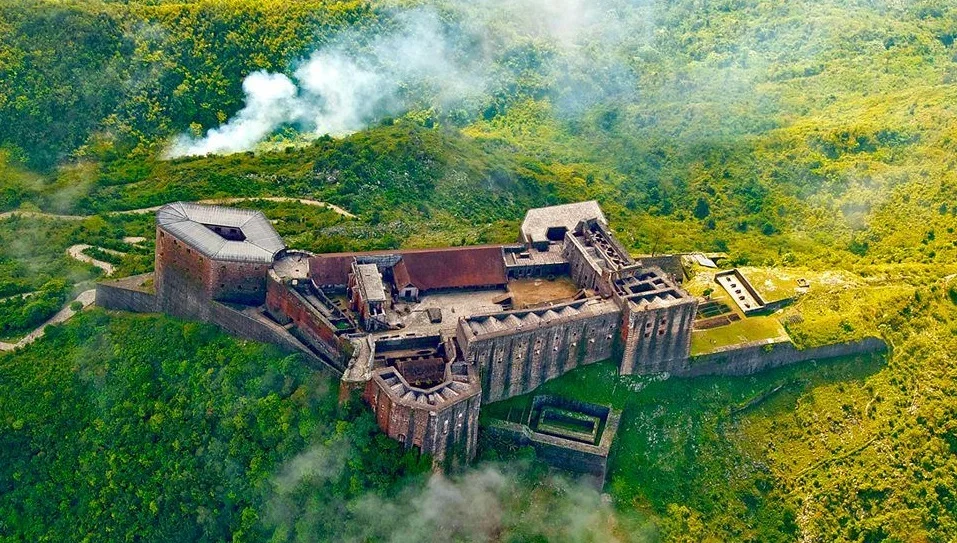
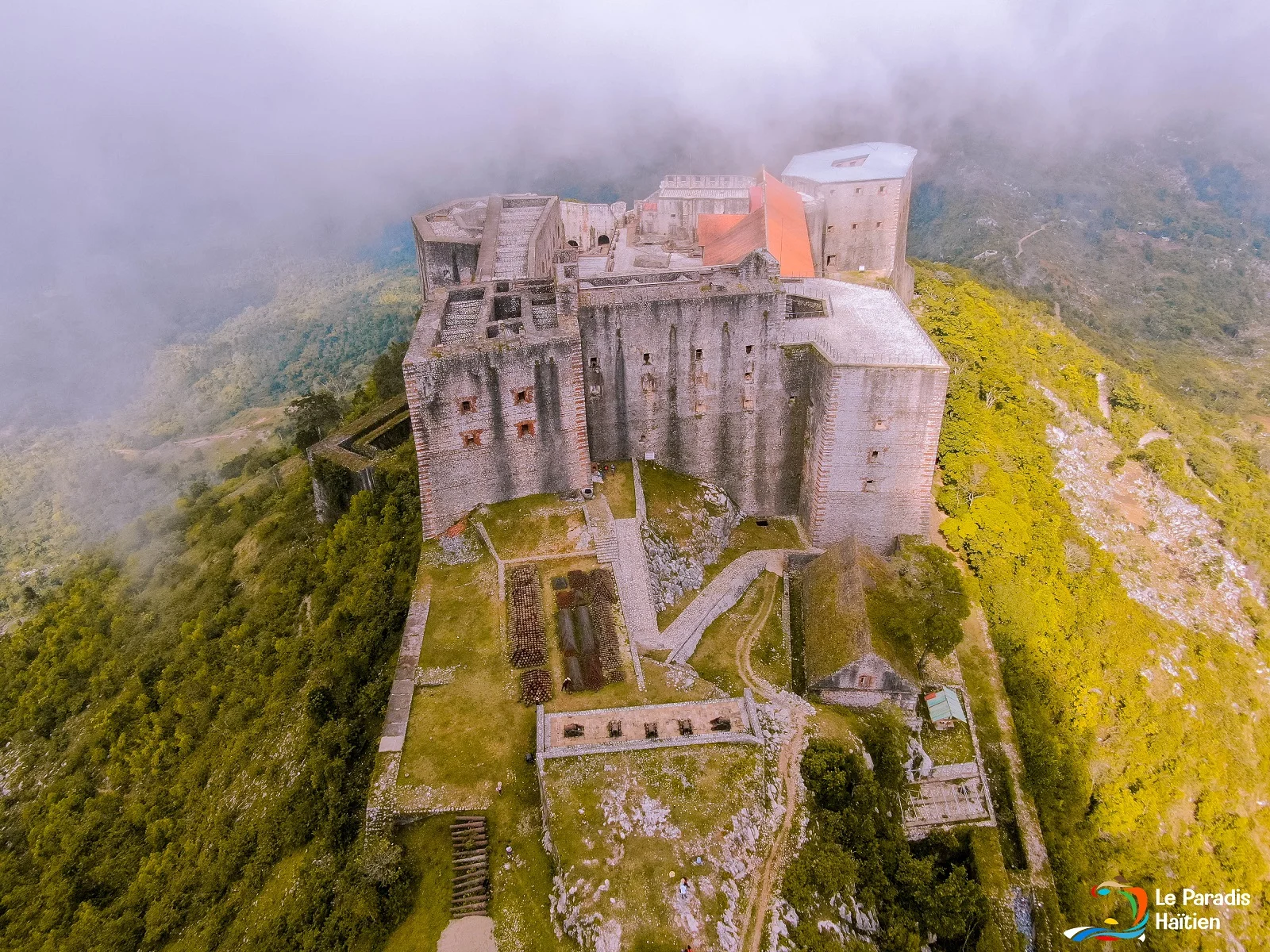
Haïti has a rich historical heritage, including sites like the Citadelle Laferrière and the Sans-Souci Palace, listed as UNESCO World Heritage Sites.

Culture

Culture

Haïti has a rich and diverse culture, influenced by African, European and indigenous elements. Haitian music, dance, art and cuisine are celebrated around the world.

  • +
    • Post