contact@haitiwonderland.com+509 36184317

Discover

Shopping Cart

Bois-Caiman Ceremony: Origin of the Haitian Revolution and Symbol of Resistance

Bois-Caiman Ceremony: Origin of the Haitian Revolution and Symbol of Resistance

In the late 18th century, Saint-Domingue (now Haiti) was a prosperous French colony, producing much of the world’s sugar and coffee through the forced labor of African slaves. This wealth was based on a brutal plantation system, where slaves endured inhumane living conditions. Social tensions were high, exacerbated by racial inequality and the violent repression of slaves by the colonists.


In the face of this oppression, slaves never stopped resisting. Maroons, escaped slaves, led attacks on plantations and maintained pockets of resistance in the mountains. The French Revolution of 1789, with its ideals of liberty, equality and fraternity, also resonated among the slaves of Saint-Domingue, awakening aspirations for emancipation.

Haïti
Haïti
Haïti

The Bois-Caiman Ceremony

The Bois-Caiman Ceremony is often described as a voodoo ritual, in which slaves gathered to invoke their ancestors and protective spirits (loas) to ask for strength in their fight against oppression. Led by Dutty Boukman, a voodoo priest and slave of Jamaican origin, and a priestess named Cécile Fatiman, the ceremony brought together slave leaders and rebels, who vowed to fight to the death for their freedom.

According to tradition, a black pig was sacrificed during this ceremony, a symbolic act representing the rejection of colonial oppression and the sacred connection with the spirits of the land and ancestors. The pig’s blood was shared among the participants, thus sealing their pact of revolt.

The Bois-Caiman ceremony is often considered the starting point of the Haitian Revolution, which would lead to the independence of the world’s first black republic in 1804. The ritual, held on the night of August 14, 1791, near the northern town of Morne-Rouge, is loaded with symbolism and historical significance.

Haïti
Haïti
Haïti

The Ceremony’s Impact and the Haitian Revolution

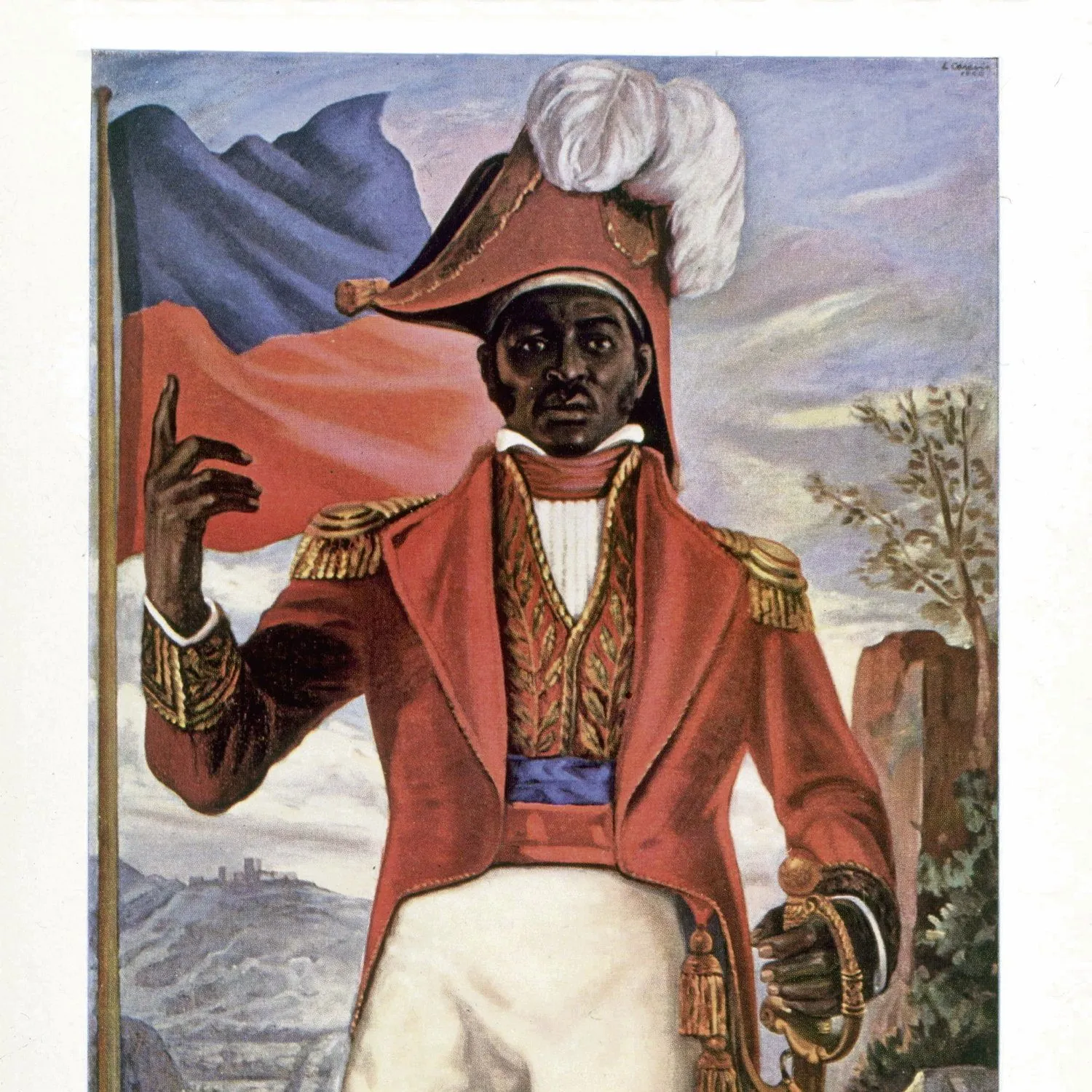
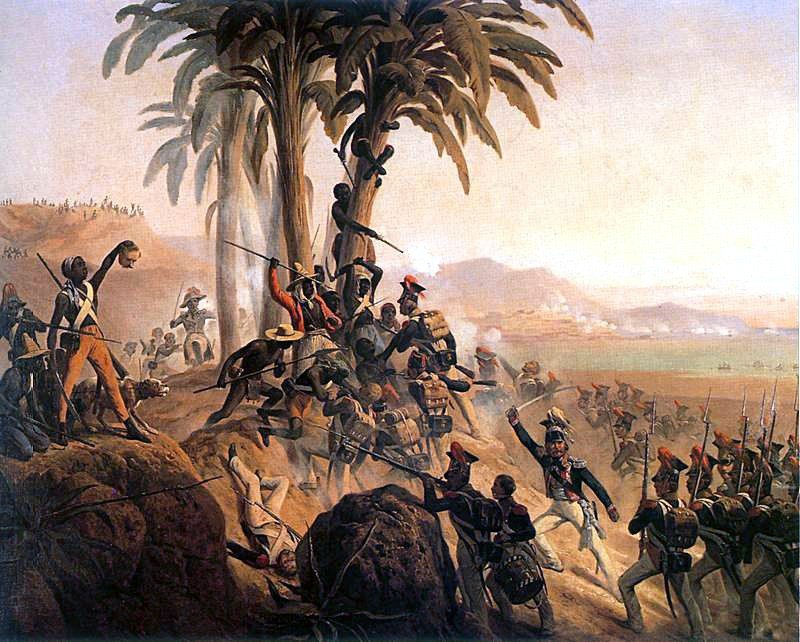
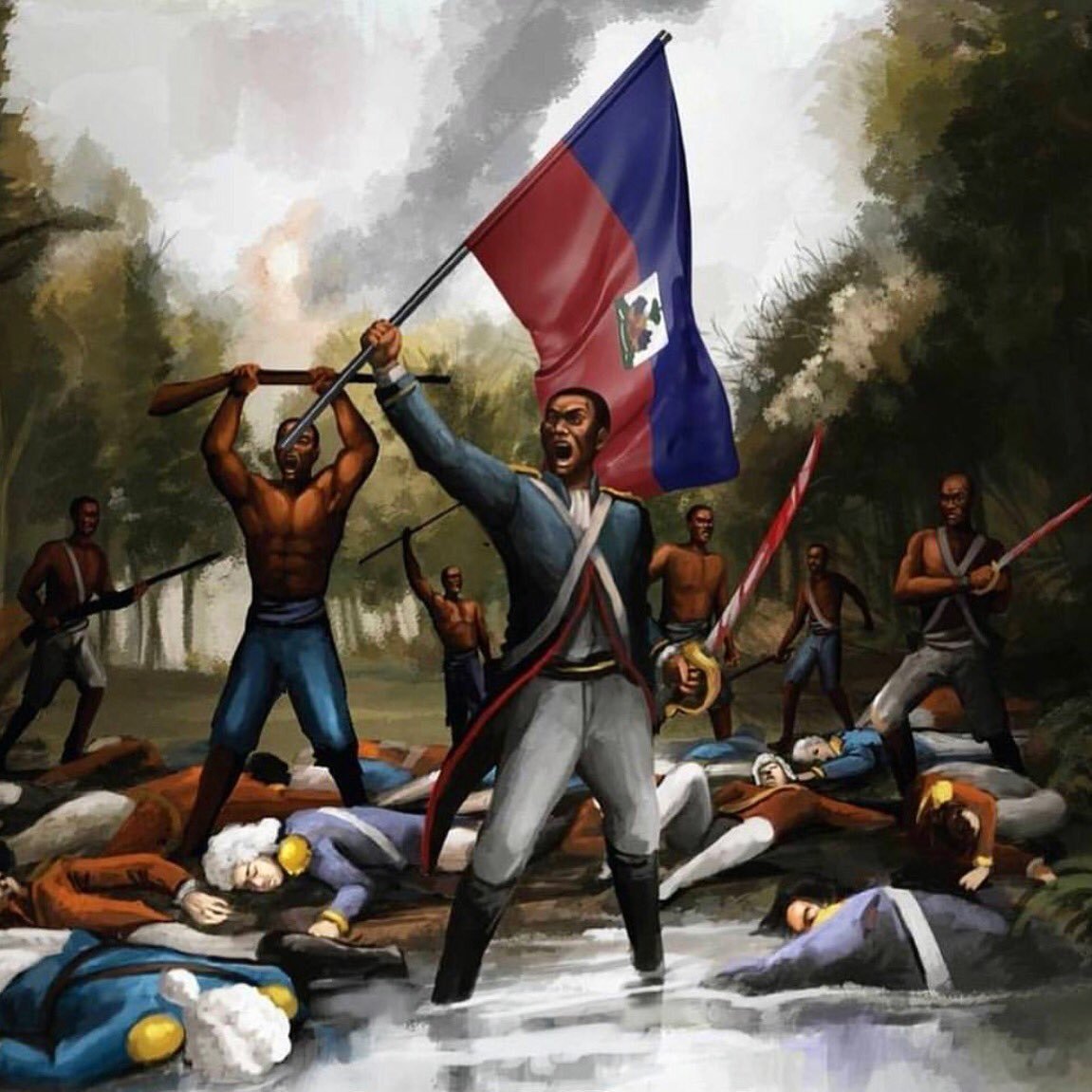
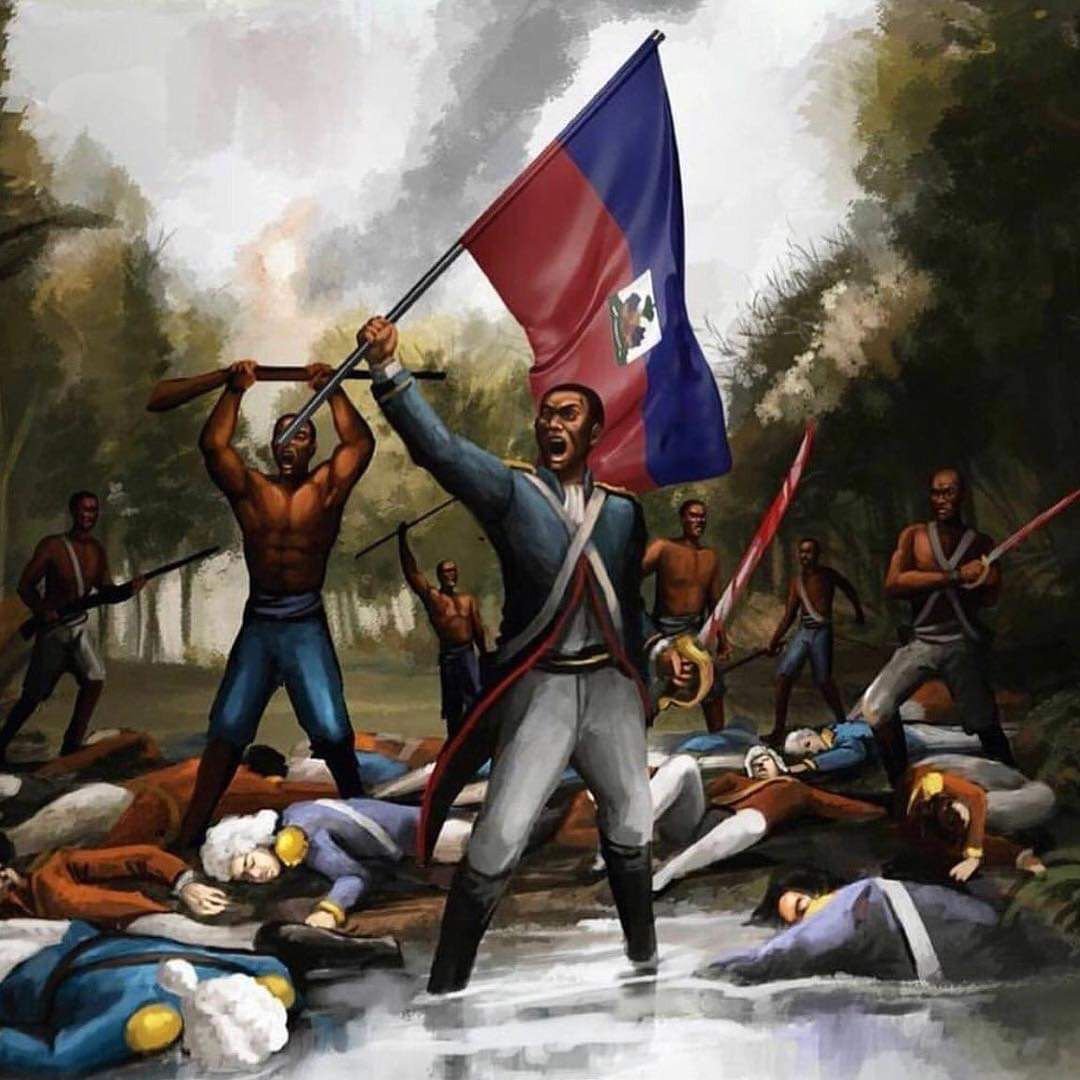
Soon after the Bois-Caiman Ceremony, a series of revolts broke out in northern Saint-Domingue, marking the beginning of the Haitian Revolution. Angry slaves set fire to plantations, killed white masters, and terrorized the settlers. This initial insurrection turned into a thirteen-year war of liberation led by leaders such as Toussaint Louverture, Jean-Jacques Dessalines, and Henri Christophe.

In 1804, Haïti declared its independence, becoming the first nation in the world to emerge from a successful slave revolt. The Haitian Revolution inspired other liberation movements in Latin America and around the world, while sending a powerful message against racial injustice and colonial oppression.

Haïti
Haïti
Haïti

Symbol of Resistance

Beyond its historical role in the Haitian Revolution, the Bois-Caiman Ceremony has become a powerful symbol of resistance and unity for the Haitian people. It represents the courage, determination, and solidarity of African ancestors in the face of oppression.

Today, the ceremony is commemorated annually in Haiti, not only as a reminder of the struggle for freedom, but also as an affirmation of Haitian identity and culture. It remains a symbol of the strength of the Haitian people to overcome adversity, preserve their dignity, and continue to fight for justice.

The Bois-Caiman Ceremony is much more than just a historical event. It embodies the spirit of revolt that led to Haiti’s independence, while symbolizing the continued resistance of oppressed peoples everywhere. Remembering this event honors not only the heroes of the Haitian Revolution, but all those who have fought for freedom and equality throughout the centuries.

Share
About the Author
Appolon Guy Alain
Appolon Guy Alain
Appolon Guy Alain

Full Stack Developer, Créatif, expérimenté, passionné des nouvelles technologies et de l’art.

See other articles from Appolon Guy Alain
Toussaint

infos suplementaire

April 01, 2025 - 08:08:09 AM
Leave a comment

Recently Posted

Carrefour: Kay Jèn Yo s’ouvre aux enfants

Dans le cadre du programme de promotion des droits et de l’épanouissement de l’enfant "Timoun se moun" piloté par l’organisation Action Communautaire de Transformation et d’Intégration Formelle (ACTIF), Kay Jèn Yo organise, du 18 au 24 août 2025 (9h am - 1h pm), "Espas Lajwa", un camp d’été qui cible trente (30) enfants de 7 à 15 ans. Une grande panoplie d’activités éducatives, créatives et ludiques sont programmées pour le plus grand bien des enfants. Ils auront droit à des ateliers de : peinture, crochet, macramé, langue des signes, théãtre, lecture, échec, etc. Dans un contexte aussi traumatogène où la violence est monnaie courante, de telles initiaves sont d’une importance capitale. " Les enfants ne sont pas imperméables au stress et autres pathologies que peut provoquer la situation morbide qui sévit dans le pays actuellement", souligne Blondy Wolf Leblanc (Gabynho) DG a.i de ACTIF. "Espace Lajwa se veut donc, un refuge, un lieu où les enfants peuvent s’exprimer en toute sécurité, un espace sécurisant où ils peuvent exprimer leurs émotions à travers plusieurs médiums", précise-t-il. Plus loin, l’animateur socioculturel encourage d’autres structures à travers le pays à prendre des initiatives de ce genre au bénéfice de la santé mentale des enfants. Espas Lajwa est quasiment gratuit. Un frais de participation de 150 gourdes est requis pour la semaine. Quid Kay Jèn Yo Issu du projet "Pran Swen Tèt ou", Kay Jèn Yo est un projet de l’organisation ACTIF supporté par La Perfection École de Haute Couture visant à combattre la violence par l’engagement communautaire à travers des programmes de formation professionnelle et artistique. Situé au numéro 18, imp. Thoby, rue Desdunes, Mahotière 79, Kay Jèn Yo est ouvert du lundi au dimanche (9h am - 6h pm). Sebastien Jean Michel

Haiti: The Center department, one of the departments most resistant to natural earthquakes

The Center department, commonly called Plateau Central, is one of the ten (10) departments of Haïti most robust in the face of certain natural phenomena. Before becoming one of the ten (10) departments of Haiti, the Center department was part of the Great North. It is renowned for its natural landscapes, its biosphere climate and its resistance to certain natural phenomena. In addition to its natural productions such as corn, millet and livestock, the Center department is also known for its high mountains which constitute a robust defense against certain natural phenomena such as earthquakes and floods. Composed mainly of high mountains, the department of Charlemagne Peralte and Benoît Batravil is the only one of the ten (10) not to have an outlet to the sea. However, its inhabitants take advantage of the vast rivers, rivers and lakes which cross it . With an area of ​​3,487 km², the population of the Center department is estimated at 678,626 according to a study carried out in 2009. On this same area, the department is divided into four (4) districts and twelve (12) communes. Bordered to the east by the Dominican Republic, the Center department connects other departments of the country such as Nord and Artibonite, and connects the two countries of the island through border areas like Balladère, Hinche and Cerca Carvajal. In the Center department, there are sites that could attract tourists for their natural beauty. In Saut d’Eau, there is the Saut d’Eau waterfall, in Hinche we find the Zim basin, the Péligre lake, the Péligre hydroelectric dam, the Artibonite river, and the Deux river (2 ) Rooms in Thomonde, more precisely in "El Manni", not far from the communal section of Caille-Epin. Thanks to its strong mountains and its natural climate, the Center department remains one of the most resistant departments in the event of an earthquake in Haiti.

Newsletter

Subscribe to our newsletter to stay informed of all our activities and news on Haiti.

Recently Posted

History

History

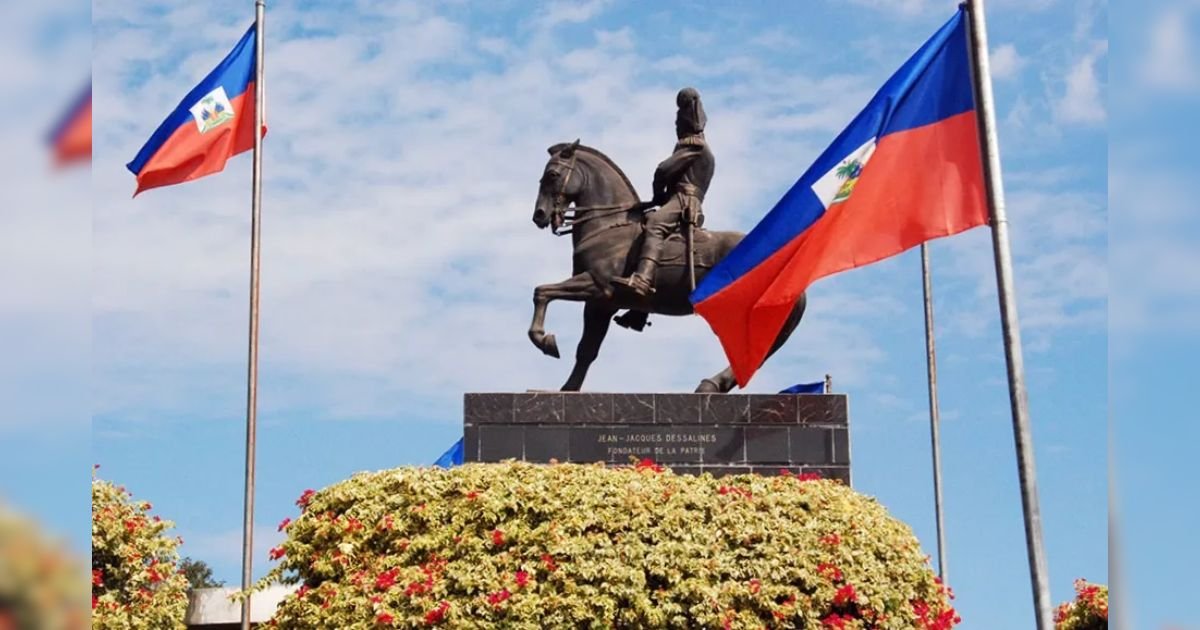
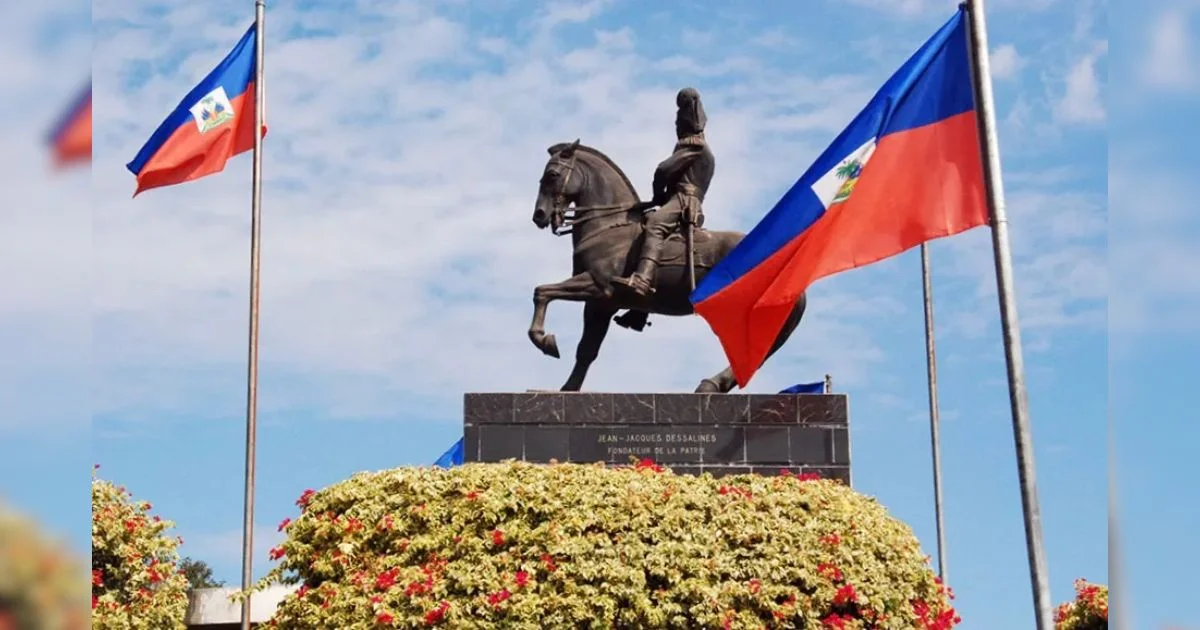
First black nation to free itself from slavery and gain independence from France in 1804 and influenced other liberation movements around the world, inspiring struggles for freedom and equality.

Natural beauty

Natural beauty

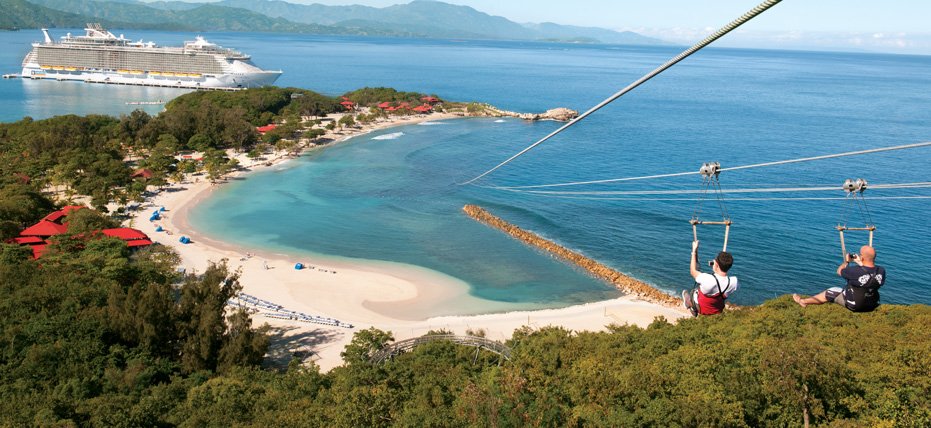
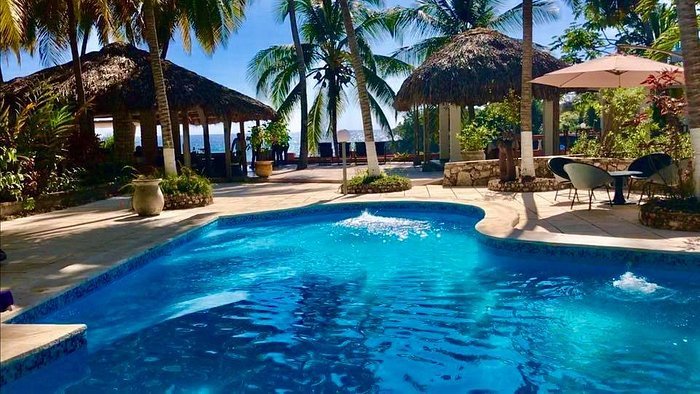
Haïti is blessed with spectacular natural landscapes, including white sand beaches, mountains and rich biodiversity.

Heritage

Heritage

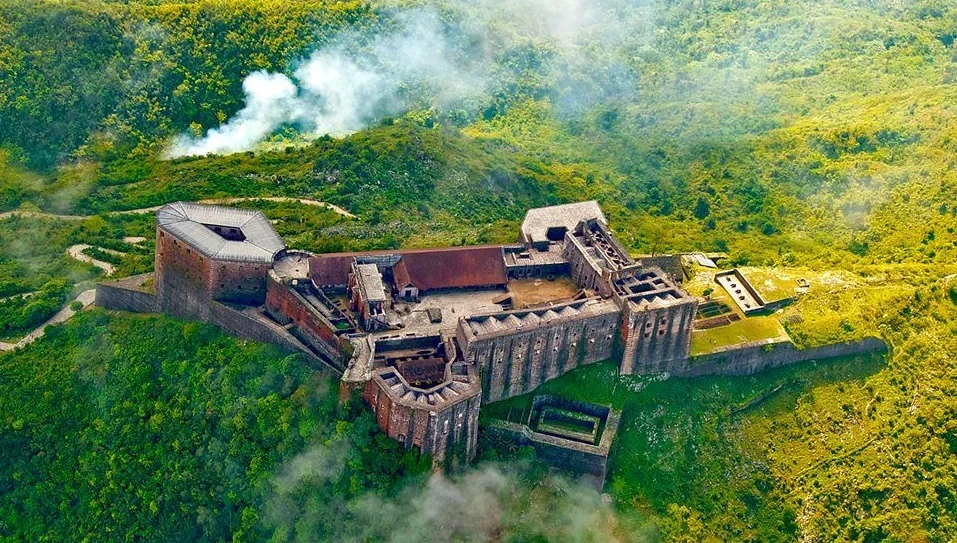
Haïti has a rich historical heritage, including sites like the Citadelle Laferrière and the Sans-Souci Palace, listed as UNESCO World Heritage Sites.

Culture

Culture

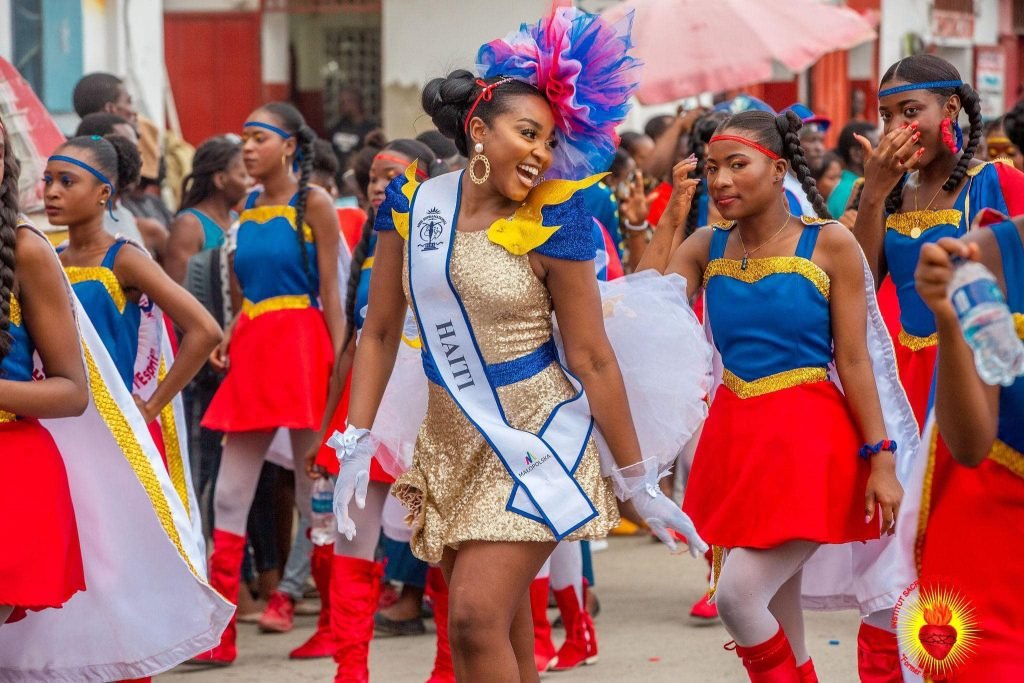
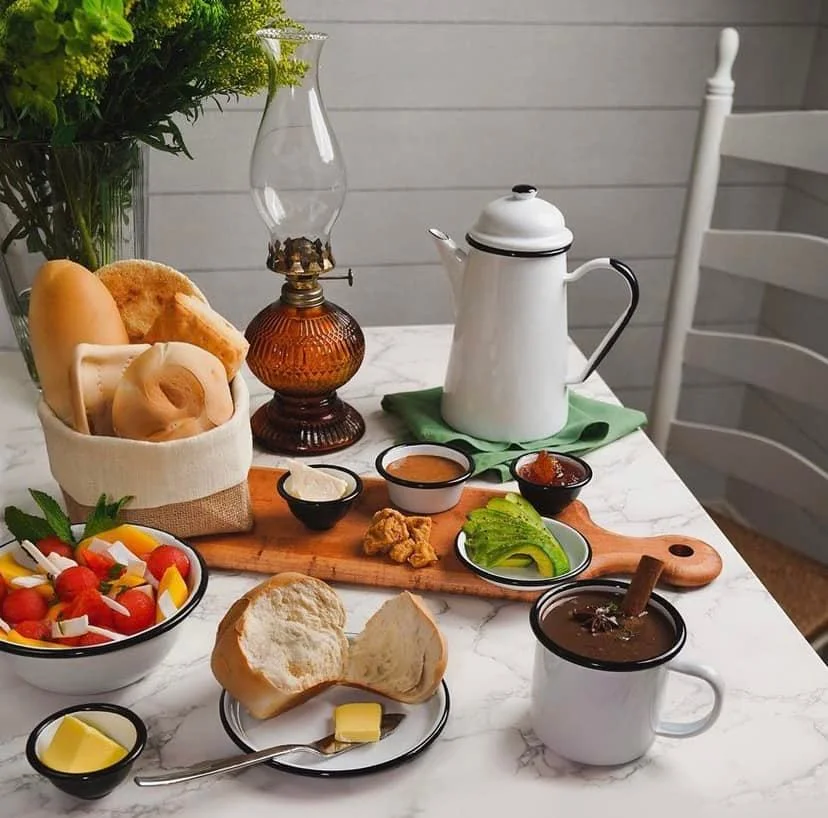
Haïti has a rich and diverse culture, influenced by African, European and indigenous elements. Haitian music, dance, art and cuisine are celebrated around the world.

  • +
    • Post