
The Rendez-Vous Christ Church mobilizes youth around an inspiring conference
Discover how the Rendez-Vous Christ Church motivates youth at an inspiring conference. Join us to learn more!

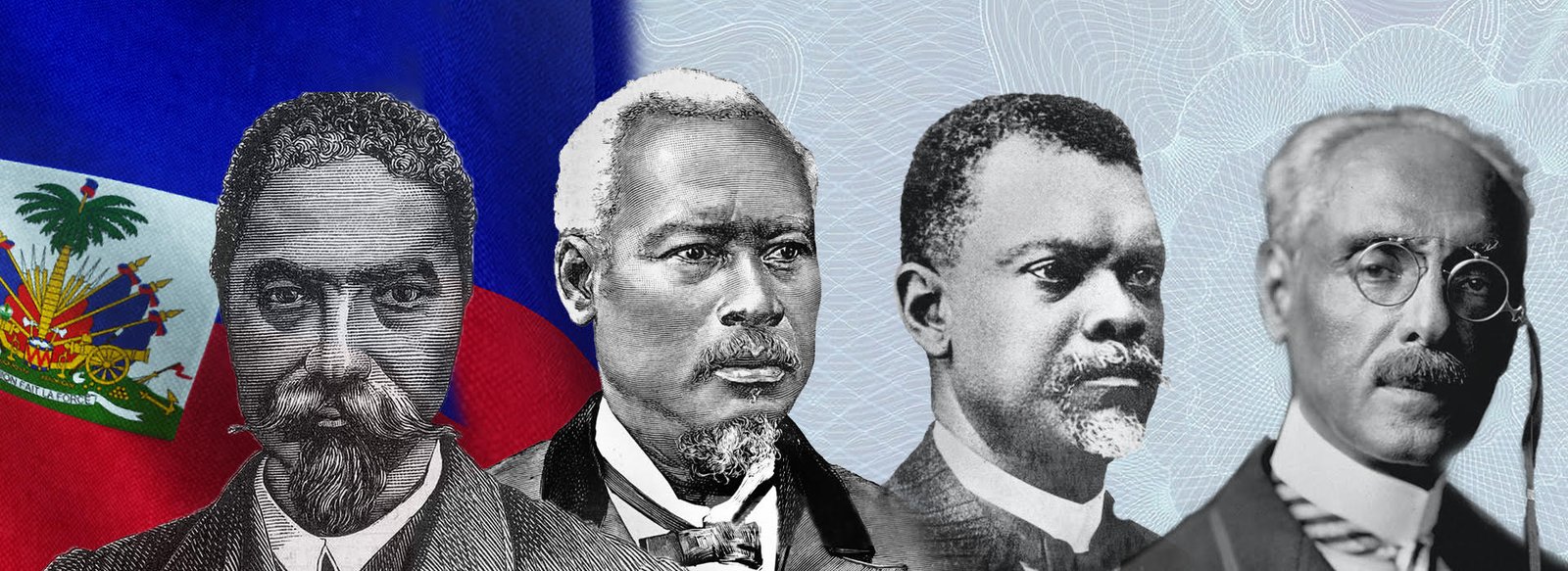
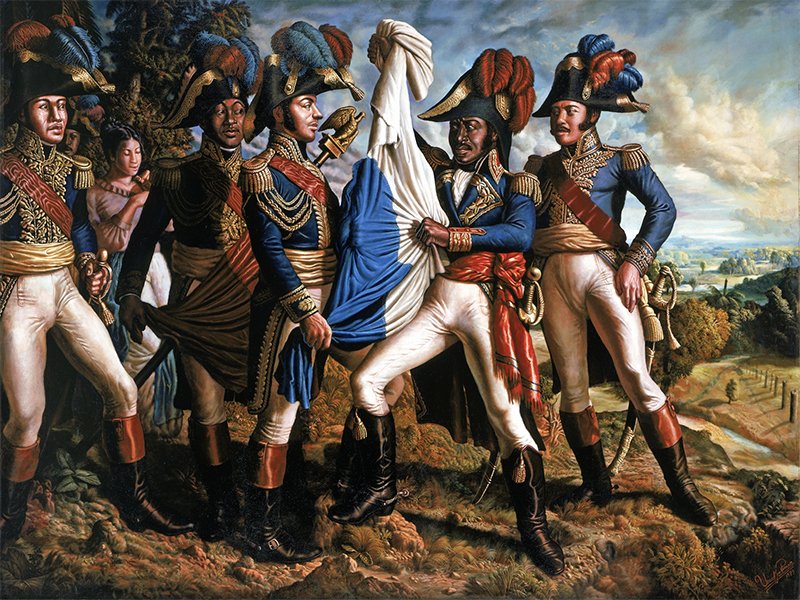
For centuries, the institution of slavery has darkened human history, leaving behind a legacy of pain, oppression and the struggle for freedom. However, in this dark tale, one nation stands out for its courage and determination to break the chains of oppression: Haiti. Located in the Caribbean, Haïti played a pioneering role in the abolition of slavery, laying the foundation for the fight for freedom and equality around the world. The history of slavery in Haïti dates back to the arrival of Europeans on the island, which was then called Santo Domingo, in the 15th century. French colonists quickly established an economy based on sugar and coffee production, cruelly exploiting millions of African slaves deported to work on plantations. However, this brutal system engendered fierce resistance from slaves, whose fight for freedom ultimately led to one of the most significant revolutions in history. In 1791, under the leadership of iconic figures such as Toussaint Louverture, Jean-Jacques Dessalines and Henri Christophe, Haitian slaves rose up against their oppressors in an unprecedented rebellion. This revolt resulted in a war of independence that lasted more than a decade, but ultimately resulted in the proclamation of Haiti’s independence in 1804, making that country the first post-colonial nation ruled by people from slavery. The impact of the Haitian Revolution on the abolition of slavery worldwide cannot be overstated. By breaking the chains of oppression and proclaiming their independence, Haitians have sent a powerful message to all oppressed peoples around the world: freedom is possible, and it is worth the struggle. The example of Haïti inspired other movements for the abolition of slavery in the Americas and beyond, thus helping to shake the very foundations of the institution of slavery. Haiti’s participation in the fight against slavery was not limited to its territory; it also extended to external actions where Haitian men were sent or actively participated in movements for the abolition of slavery in other regions of the world. For example, Haitian President Alexandre Pétion supported Simón Bolívar, the leader of the South American revolution, by providing him with weapons, money and even men, which contributed to the liberation of several countries in America Latin of colonial domination. Haïti also provided support for independence movements in Central America. Haitian fighters, led by General Jean-Pierre Boyer, helped Venezuelan patriots fight against Spanish rule, contributing to the liberation of that region. The Haitian government financially and diplomatically supported movements for the abolition of slavery in countries such as Venezuela, Colombia and Mexico, contributing to the gradual eradication of this institution throughout the region. Although Haïti did not directly participate in the American Civil War, many Haitians and descendants of Haitians played crucial roles in the abolitionist movement in the United States. Figures who were of Haitian origin or of Haitian ancestry, were important voices in the fight against slavery and for equal rights in the United States. The legacy of the Haitian Revolution remains a symbol of resistance and courage for future generations. Today, as the world continues to struggle against injustice and oppression in various forms, Haiti’s history reminds us that the fight for freedom is a universal fight, one that transcends borders and times. Haiti’s participation in the abolition of slavery throughout the world remains a crucial chapter in the history of humanity. Through their courage and determination, Haitians have paved the way for a future where freedom and equality are inalienable rights for all.
Pot’iwa Pizza, a Haitian company renowned for its pizzas with authentic Haitian flavors, continues to expand its international footprint with the imminent opening of its fifth restaurant, located in Brooklyn, New York. This new opening marks an important step in the growth of Pot’iwa Pizza and demonstrates its undeniable success since its creation.
The impact of collective and individual trauma on the personal development of young people in Port-au-Prince While writers, actors, dancers, poets, among others, have gratified us with their performances, the master’s degree student in psychology at the Faculty of Human Sciences (FASCH), Lourdya Blaise, spoke with the audience about trauma. Structured around the theme "Youth and Trauma, analysis of the impact of collective and individual trauma on the personal development of young people living in Port-au-Prince between 2010-2024", this conference gave rise to enriching discussions. During this meeting, moderated by Michaël Formilus, Ms. Blaise showed how the events that have taken place in the country have caused cases of trauma among Haitians. According to the student, citing the American Psychological Association, we speak of trauma as a consequence of trauma. The latter is explained by the fact that we feel threatened, whether it is the person in question or their loved ones. However, she specifies that a collective trauma remains depending on the impact that the event has on the individual. To illustrate her remarks, she mentioned the earthquake of January 12, 2010, considered a collective trauma, insofar as it still occupies our minds. This tragedy reminds us of the disappearance of our loved ones and enormous losses. This is the case of a trauma that becomes a collective trauma. For the student, it should be emphasized that when an event occurs, some people are traumatized and others are not. According to him, the violence of armed gangs is not perceived in the same way, says Ms. Blaise. There are people who have fled their homes but are not traumatized. In fact, some people see traumatic situations as a passing event, she says. The speaker also spoke about collective trauma, which, according to him, preoccupies the mind, even if we no longer experience it. It manifests itself in several forms: lack of sleep, fear psychosis, intrusive thoughts, intense heartbeat, etc. Generally, symptoms related to trauma are hard to die. When it persists, it becomes acute stress. To deal with it, we must talk to other people. If the situation persists, acute stress turns into a phase of post-traumatic stress; in this case, we must confide in a trusted person or go see a mental health specialist, she advises. In her presentation, Lourdya Bazile also drew attention to the psychological state of children in these times. According to the presenter, children are also facing this crisis situation, even if they do not talk about it to their parents. As much as adults, children also plan their future. Faced with flouted school years, they become pensive and worried, she stressed. They withdraw. The child who used to be brilliant can become violent and perform less well at school. Parents are called upon to listen to them and understand them. A good moment of exchange, rich in practical advice. The audience participated fully. In turn, the presenter invites them to breathe better and meditate. "We live in a country where worries mix, we must take time for ourselves, do sports, eat well, make sure that the sleeping space is clean and take time for ourselves. There is more than one way to find calm," recalls the psychologist. Gertrude Jean-Louis
Le Makaya est bien plus qu’une simple fête ; il est un pilier spirituel du vaudou haïtien, une tradition vivante qui lie les croyances ancestrales aux rituels de purification, de guérison et de renouveau. Célébré principalement à la fin du mois de décembre, le Makaya tire ses racines de l’Afrique, en particulier des civilisations bantoues, et se déroule dans un contexte profondément spirituel où les liens avec les ancêtres et les forces naturelles sont essentiels. Le terme "Makaya", qui signifie "feuilles" en Kikongo, est intrinsèquement lié à la nature et aux plantes, éléments essentiels du vaudou. Ce lien direct avec la nature fait du Makaya un moment de purification, où les croyants se connectent à la terre et aux esprits par l’intermédiaire des végétaux. La tradition du Makaya vient des peuples Bantous, principalement du Congo, et de leurs pratiques spirituelles qui ont été transposées, adaptées et enrichies par la diaspora haïtienne pendant la période de l’esclavage. La période du Makaya commence le 21 décembre, lors du solstice d’hiver, une date symbolique marquant la victoire de la lumière sur les ténèbres, le commencement du renouveau solaire. Dans le vaudou, cette époque est perçue comme un moment d’introspection où la nuit la plus longue de l’année se transforme lentement en jour, apportant avec elle des forces purificatrices et régénératrices.
Haiti, a Caribbean island country, is much more than just a tourist destination. It embodies a symbol of resistance, freedom and the struggle for emancipation, a historical example for the whole world. In this article, we will explore why Haïti is considered a true symbol of freedom, by highlighting its history, culture and its essential role in the fight against oppression.
Haiti, with its unique history and vibrant culture, is a country where language plays a central role in national identity. Haiti’s primary language is Haitian Creole, a rich and expressive language that reflects the country’s cultural mix. Although French is also an official language, Creole is spoken by almost the entire population and is a fundamental part of daily life. In this article, we will explore the origins, uses, and importance of Creole in Haiti.
Haiti, the jewel of the Caribbean, is a land rich in history, culture and natural beauty. Despite the challenges it has faced, this country remains a model of resilience and heritage for the entire world. Here are 7 major reasons Haïti is proud, with references and key figures that highlight its riches.
Welcome to Haiti, the pearl of the Antilles, where rich history and vibrant culture blend with breathtaking natural beauty. Nestled in the Caribbean, this land is full of treasures to discover, offering an authentic experience for travelers eager for new sensations.
Haiti, this jewel of the Caribbean, is known for its revolutionary history, vibrant culture, and breathtaking landscapes. But how many people call this land rich in tradition and diversity home? This article explores Haiti’s current population and how it has changed over time, while providing an overview of the challenges and opportunities related to its demographics.
Haiti, often called the "Pearl of the Antilles", is a hidden treasure of the Caribbean, full of breathtaking natural and historical sites. If you are planning a trip in 2025, here are seven heavenly places that are sure to amaze you. Prepare yourself to explore fascinating landscapes, discover a rich heritage and enjoy the warm welcome of the Haitians.
Haiti, a country rich in history, culture and natural beauty, often raises questions about its geographical location. Where is this vibrant country that makes the heart of the Caribbean beat? Let’s discover together the continent to which Haïti belongs and the specificities of its geographical position.
Nestled in the splendid mountains of the southeastern region of Haiti, the picturesque commune of Cayes-Jacmel emerges as a rare pearl, offering an incomparable tourist and cultural experience. With its lush green landscapes, rich cultural heritage and exciting activities, this destination promises an unforgettable journey for travelers seeking authenticity and natural beauty. As soon as you arrive in Cayes-Jacmel, you will be captivated by the splendor of its landscapes. The plains and hills that dominate the terrain offer a breathtaking spectacle, ideal for picturesque hikes and leisurely walks. The town is also full of crystal clear waterways, perfect for a refreshing break or a relaxing fishing session. Explore the hidden trails and let yourself be enchanted by the thriving biodiversity of the region, where nature reigns supreme. Without forgetting the magnificent beaches of Kabic like "Ti Mouillage", where the fine sand and turquoise waters invite relaxation and water sports. Cayes-Jacmel is steeped in rich history and vibrant culture, reflected in its majestic temples and churches. With more than thirty-two temples of all faiths, including Baptist churches, Churches of God and Catholic churches, the town is a symbol of religious diversity and tolerance. Immerse yourself in the region’s fascinating past by visiting the magistrate’s court and police station, witnesses to its political and legal legacy. Experience the excitement of local life by participating in the lively festivals and cultural events of Cayes-Jacmel. Immerse yourself in the haunting rhythms of Haitian music during community celebrations, and discover traditional crafts at local markets. Don’t miss the town’s annual festival, where dance, gastronomy and the arts combine to create a festive and warm atmosphere. Whether you’re a sports lover, adventure enthusiast, or simply looking for relaxation, Cayes-Jacmel has something to offer every traveler. Play football or basketball on the local pitches, or dance the night away at one of the town’s lively nightclubs. For an authentic experience, join a fishing excursion with the locals, or explore the region’s hidden gems on an exciting jeep tour. With its breathtaking natural beauty, rich cultural heritage and captivating activities, Cayes-Jacmel emerges as an incomparable tourist and cultural destination in Haiti. Whether you are looking for adventure, relaxation or cultural discoveries, this picturesque town promises you an unforgettable experience, imbued with the very essence of Haitian life. Embark on a journey to the heart of the magic of Cayes-Jacmel and let yourself be enchanted by its charm.
Haiti, the pearl of the Antilles, is a country rich in history and traditions. Its vibrant and diverse culture is reflected through its national holidays, cultural festivities, traditional foods, religious beliefs, folk tales, and traditional games. Let’s immerse ourselves in the social fabric of Haïti to discover the beauty of its traditions. b~National Holidays:~b National holidays in Haïti are moments of pride and national unity as January 1, Independence Day, commemorates the victory of Haitian slaves over French colonial forces in 1804, making Haïti the first independent country in Haiti. Latin America and the Caribbean or the commemoration of the Battle of Vertières on November 18. The Battle of Vertières was one of the last great battles of the revolution. It took place in Vertières, near the town of Cap-Haitien. b~Cultural Festivities:~b Haïti is also famous for its cultural festivities, particularly Carnival, which is an explosion of color, dance, and music. Artistic and craft events, such as the Rara festival, are an opportunity for artists to showcase their talent. The Rara, a musical parade, combines folklore and spirituality, creating a unique experience. b~Traditional Foods:~b Haitian cuisine is a delight for the taste buds. Dishes like griot (fried pork), diri djon djon (rice with black mushrooms), and the legendary joumou (joumou soup) are an integral part of Haitian culinary tradition. Bold flavors, spices and cooking methods inherited from African and French tradition make Haitian cuisine unforgettable. b~Vodou:~b Vodou, often misunderstood, is a synchretic religion that incorporates elements of Catholicism, African animism, and indigenous beliefs. It plays a significant role in the daily lives of Haitians, influencing music, dance, and religious rites. Vodou is a profound expression of Haitian spirituality. The Tales (Krik Krak, Tim Tim, Bwa Sèch): Haitian folk tales, passed down from generation to generation, are rich in morality and wisdom. b~Konbit :~b The concept of Konbit represents community solidarity. Haitians come together to perform community tasks, whether in agricultural fields or for construction projects. It is a living example of the collective spirit that permeates Haitian society. The most recent major project to date concerns the construction of the canal from the Massacre River to Ouanaminthe, which took place between September and December 2023. Thousands of inhabitants of the north of the country mobilized all their forces to erect a canal allowing to collect water intended for irrigation of their plantations, with the aim of obtaining better harvests. Despite their modest means, they were motivated by the slogan "KPK" (Kanal la pap kanpe), a direct response to Dominican President Luis Abinader who warned them and did everything in his power to stop the construction of the canal. This channel represents the deep solidarity of Haitians and reaffirms national pride. Despite economic challenges, the people of northern Haïti have demonstrated exceptional determination to work together for a common goal. The slogan “Kanal la pap kanpe” embodies their resilience in the face of external pressures and demonstrates their unwavering will to continue the construction of the canal. b~Traditional Games:~b Traditional games are an essential part of daily life in Haiti. Games like lido, sote kòd, Yoyo, Ralba, Marèl, TiTaTo, Kay, lago kache, Monte kap, teke mab, woule sèk, twa fwa se manbo, and domino bring people together, promoting camaraderie and fun. Haitian traditions are a harmonious blend of spirituality, community, and cultural diversity. Every aspect, from national holidays to traditional games, helps weave the rich cultural tapestry that makes Haïti proud. These traditions are the beating heart of the nation, a precious heritage that continues to be passed down from generation to generation.

First black nation to free itself from slavery and gain independence from France in 1804 and influenced other liberation movements around the world, inspiring struggles for freedom and equality.

Haïti is blessed with spectacular natural landscapes, including white sand beaches, mountains and rich biodiversity.

Haïti has a rich historical heritage, including sites like the Citadelle Laferrière and the Sans-Souci Palace, listed as UNESCO World Heritage Sites.

Haïti has a rich and diverse culture, influenced by African, European and indigenous elements. Haitian music, dance, art and cuisine are celebrated around the world.