





Top 10 Tourist Sites to Visit in Haiti
Haiti, with its rich culture and diverse landscapes, is a fascinating tourist destination. Here is a selection of the ten best tourist sites not to be missed during your visit to Haiti.
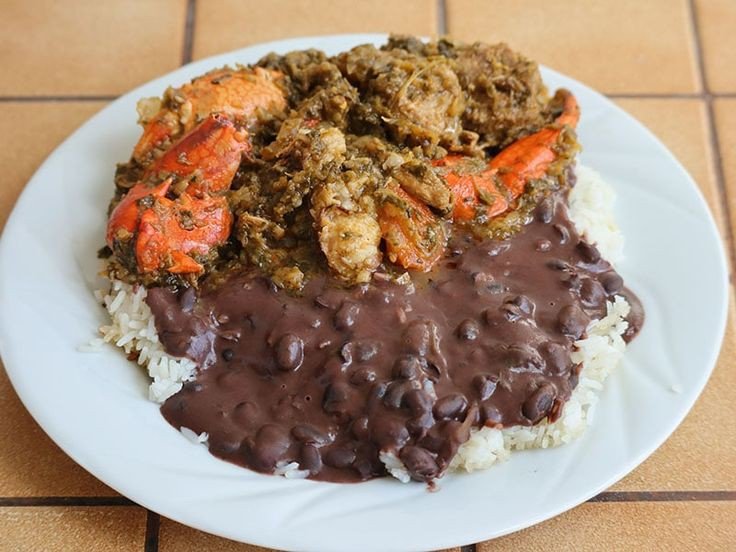
La cuisine haïtienne, riche et colorée, offre des plats savoureux comme le "Diri kole ak sòspwa" et le "Legim". Le Diri kole ak sòspwa, un mélange réconfortant de riz et de haricots rouges, est un pilier de l’alimentation haïtienne, souvent accompagné de viande ou de poisson. Le Legim, quant à lui, est un ragoût végétarien épicé fait de chou, de carottes, et d’épinards, épaissi avec de la purée d’aubergine et enrichi d’épices. Ces plats, profondément ancrés dans la tradition, symbolisent la fusion unique des influences africaines, françaises et taïno qui caractérise la cuisine haïtienne.
There’s no accounting for taste! For some, the go-to dish remains a good rice accompanied by pea sauce and vegetables, while for others, corn is king, in all its forms. In this article from Haïti Wonderland, we’ll explore five ways to enjoy ground corn. To start the week off right, many gourmands enjoy a dish of white corn, often garnished with vegetables such as spinach or tomatoes. This colorful and tasty mix allows you to start Monday morning on a delicious note. Others find happiness in a dish of corn accompanied by pea sauce and vegetables, ideal after a long day of school or work. It’s a real comfort that brings satisfaction and energy. And what about corn served with red beans and a good stew? It’s the perfect dish for a Saturday, a real pick-me-up after a difficult week. And here, we move on to the most copious for some: corn with djondjon and fish sauce! This accompaniment adds an umami touch for fans of good food! And to top it all off, although rare or reserved for big celebrations, corn à la bonne femme never fails to make us salivate! It is simply a complete dish! Whether as a main course or otherwise, corn invites itself onto our plates with happiness and creativity.
In Haiti, rice is often preferred to wheat, corn, or other grains. However, today, we’re going to make an exception and enjoy a delicious red bean and wheat dish. To begin, boil the red peas. Meanwhile, heat the oil in a large saucepan over medium heat. Add the onion and garlic, sautéing until golden. Then, stir in the tomato paste and cook for a few minutes, stirring constantly. Next, add the drained red peas, chicken or vegetable broth, salt, and pepper. Mix everything well. Pour the water into the saucepan and bring to a boil. Once the water boils, add the wheat and simmer until tender and the water is absorbed. Finally, reduce the heat and stir occasionally to prevent the mixture from sticking to the bottom of the pan. Once cooked, adjust the seasoning to your taste and serve hot.
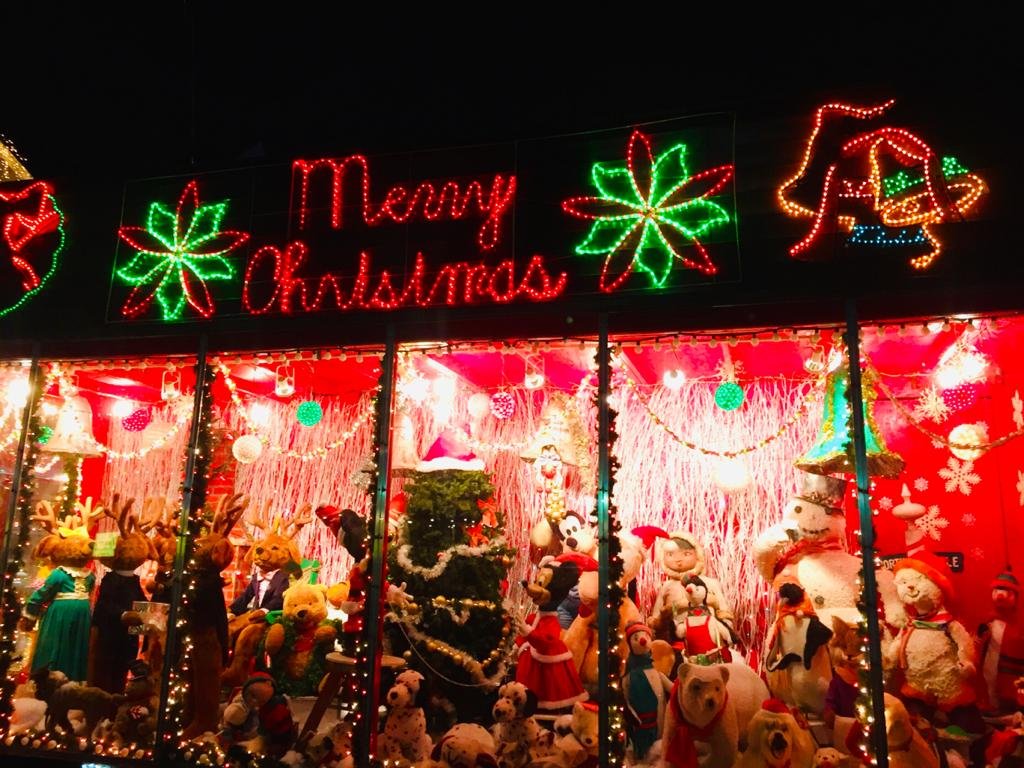
The joyful ringing of bells echoes through the streets of Haïti as the holiday season approaches. Christmas is a magical time when the streets light up, families gather and a warm atmosphere invades the island. Between traditions, cultural discoveries and gourmet feasts, Christmas in Haïti promises a unique experience. b~The Magic of Lights and Decorations~b From the beginning of December, Haïti is adorned with sparkling lights and festive decorations. The markets come alive with shimmering garlands, twinkling stars and ornate fir trees. The streets of Port-au-Prince in Jacmel shine with a special magic, inviting locals and visitors to immerse themselves in the festive spirit. b~Haitian Traditions at Christmas~b Christmas in Haïti is celebrated with a unique combination of religious traditions and local customs. Midnight Mass is a deeply rooted tradition, drawing worshipers to churches to celebrate the birth of Jesus in a vibrant atmosphere of song and prayer. A popular tradition is the "Dawn Mass" which takes place at dawn on December 25. The faithful gather to welcome Christmas Day with special fervor, testifying to the deep spirituality that permeates the festivities. The festivities are not limited to churches. Street parades, folk dances and concerts are commonplace, creating a joyful atmosphere throughout the country. Traditional Haitian music, such as direct compass and voodoo, adds a special dimension to these celebrations. b~Cultural Discoveries: Haitian Crafts~b Christmas is also an ideal opportunity to discover unique Haitian crafts. Christmas markets offer a variety of handicrafts, such as wooden sculptures, vivid paintings, wrought iron items and traditional jewelry. These works of art reflect the artistic talent of the Haitian people and provide unique and meaningful gifts. Local markets, such as the Ferrier market in Cap-Haitien and the Jacmel market, are essential places to discover the authenticity of Haitian crafts. These purchases also help support local artists and the community economy. b~Gourmet Feasts: Christmas Cuisine~b Christmas in Haïti is also a gastronomic celebration. Families gather around festive tables laden with traditional culinary delights. “Joumou soup”, a pumpkin soup, is an essential specialty of the holiday season. Pork, lamb and chicken dishes are also common, accompanied by rice and local vegetables. Traditional desserts, such as “Pen patat” and “Tablèt Pistach,” add a sweet touch to the celebration. Tropical fruits, such as mangoes and bananas, are also often present on Christmas tables, recalling the richness of Haitian biodiversity. Christmas in Haïti is a vibrant celebration that blends the magic of lights, religious traditions, local crafts and delicious cuisine. It is a time when joy and generosity are in the spotlight, and when Haitians open their hearts to share the magic of the season with the world.
On March 14, 2025, Cap-Haïtien hosted an exceptional event: the official launch of NUMECO (Digital for Schoolchildren), an innovative program by Coding Club Haiti. More than 50 schoolchildren from 10 schools participated in this initiative aimed at introducing them to the basics of computer programming.
Haïti is full of natural and cultural treasures, and two cities stand out as the country’s top tourist capitals: Cap-Haïtien in the north and Jacmel in the southeast. Each of these cities offers unique experiences, reflecting Haiti’s rich history, culture, and nature. Let’s explore why these two destinations are must-sees for any traveler.
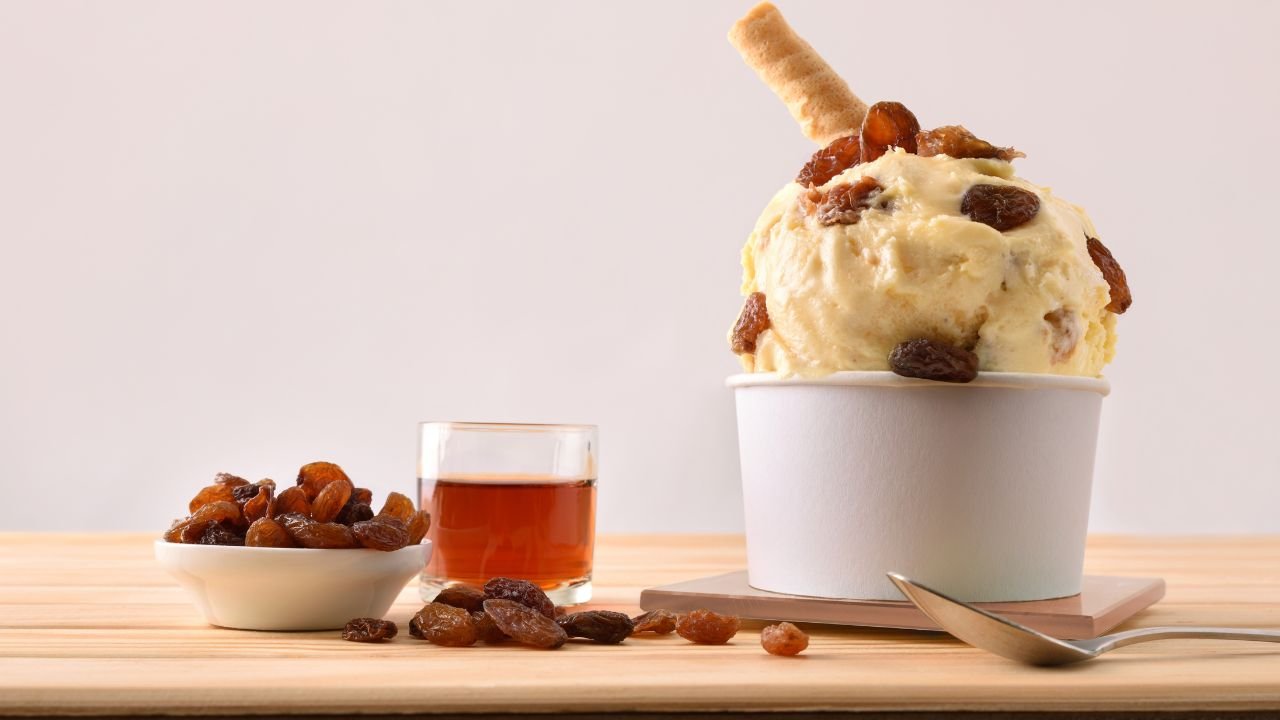
Haitian cuisine is full of unique flavors that reflect the authenticity and cultural richness of the country. Whether to celebrate a special occasion or simply for pleasure, Haitian drinks and desserts are a must. Discover 10 typical dishes that embody the culinary soul of Haiti.
PAQÉMO, short for "Projet Artistique de Quartiers et Éducatif Musical en Orchestre" (Neighborhood Artistic and Educational Orchestral Music Project), is an ambitious initiative launched in 2022 by the Association Musicale et Éducative à Vocation Sociale (AMEVS), co-founded by Jéricho Pierre-Noël and Cecilia Madolena Clénard, Haitian students at Sorbonne University. Today, the project includes other names such as Sargine Any Melissa Bernard, Mohamed Etamine, Ege Tarik Eken, Youssef Naccache, and Sohann List Massaregli, all Sorbonne students dedicated to promoting access to musical education in Haiti—particularly classical music—as a tool for holistic development. The goal of PAQÉMO’s founders is to use music as a means of education, inclusion, and social transformation, integrated alongside the traditional Haitian school curriculum.
At the entrance to Haiti’s beautiful Baie de l’Acul du Nord lies an oasis of tranquility and natural beauty: Camp Louise, more affectionately known as Saint Michel Beach. With its black sand and rushing swells, this beach offers a spellbinding experience that captures the wild spirit of nature. As soon as you set foot on this enchanting shore, you are enveloped by an atmosphere of mystery and serenity. The "ajoupas" dotted along the beach are home to modest restaurants serving local delicacies, from fresh grilled fish to succulent conch. With every bite, you taste the exquisite fusion of authentic flavors that celebrate Haiti’s culinary richness. On your right, majestically sits the "M&M" restaurant, ready to delight your taste buds with its irresistible specialties, available to serve you at the end of the week, to crown your beach days with an exquisite gastronomic note. Despite its proximity to the bustling town of Cap-Haïtien, located just 26 kilometers away, Camp Louise seems like a world apart. Accessible both by road and by sea, by jet ski from the neighboring beaches of Gaderas and Labadie, this beach offers a welcome escape from the hustle and bustle of everyday life. Whether you are looking for adventure, relaxation or simply connection with nature, Camp Louise will meet all your desires. Its turquoise waters invite you to swim, its sandy beaches invite you to relax, and its warm atmosphere inspires wonder. For travelers seeking authentic experiences and breathtaking scenery, Camp Louise proves to be a hidden treasure worth discovering and celebrating. So, let yourself be carried away by the captivating magic of this rare pearl in the heart of the Bay of Acul du Nord, and let your worries float away with the waves that gently caress its shores.
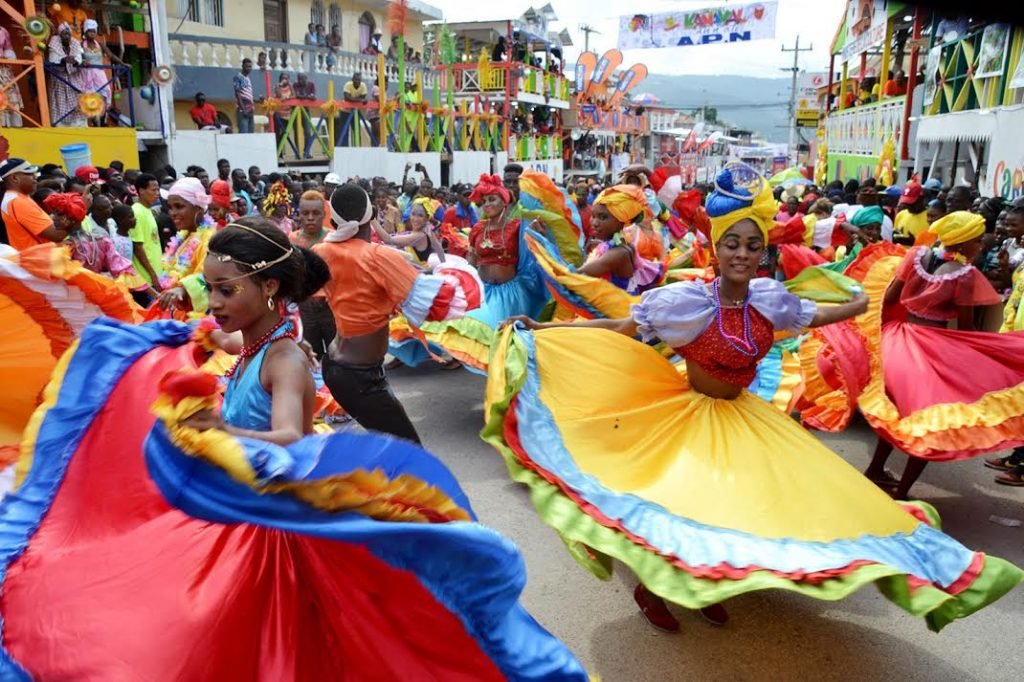
The Haitian carnival, an emblematic and essential celebration of the country’s festive calendar, is much more than a simple party. It embodies the very essence of Haitian culture, joyfully blending ancestral traditions, intoxicating music and a deep sense of community. Each year, this vibrant celebration transforms the streets into a vibrant and colorful spectacle, attracting thousands of participants and spectators eager to take part in this one-of-a-kind celebration. Haitian carnival has deep roots in the country’s history, dating back to colonial times. It has evolved over the centuries, incorporating elements of African, French and Creole culture to create a distinct and captivating celebration. The carnival period in Haïti traditionally begins in January and culminates with extravagant festivities that take place over several days. One of the most striking features of the Haitian carnival is the profusion of colors. Traditional costumes, called "masks", are elaborate and beautifully designed. They feature vivid patterns and vibrant decorations, creating a vivid picture of Haitian cultural identity. Participants, dressed in these elaborate costumes, parade through the streets to the sound of lively music, creating an electric atmosphere. Music is at the heart of the Haitian carnival. The captivating rhythms of compass, rasin, rara and other local musical genres resonate throughout the city, inviting people to dance to the rhythm of the party. Orchestras parade through the streets, accompanying the dancers and creating a unique symbiosis between the music and the graceful movements of the participants. The Haitian carnival parade is not just about the music and costumes; it also celebrates the richness of street arts. Talented artists create giant sculptures, art installations and theatrical performances that tell deep stories of Haitian history and culture. These artistic expressions contribute to the transmission of values and stories that shape the identity of the Haitian people.
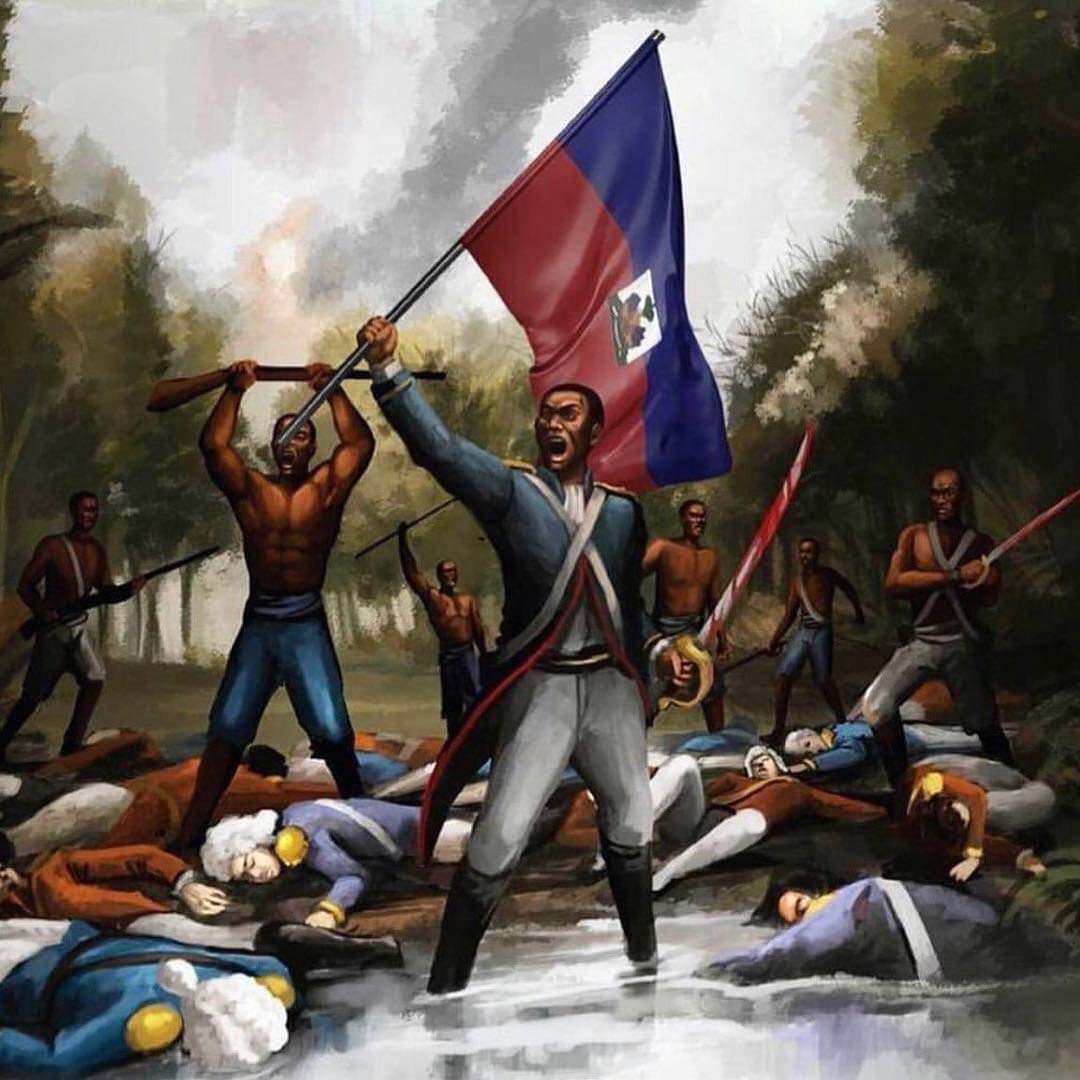
Haïti is known for its significant history and its crucial role in the fight against slavery and for independence. The country gained independence from France on January 1, 1804, becoming the world’s first independent black republic and the first country in the Americas to abolish slavery. However, this independence came at an enormous cost, the effects of which are still felt today.
The Muse Haïti Center, in partnership with the Ministry of National Education and Vocational Training (MENFP), alongside several other national and international institutions, has officially launched the 4th edition of its National Essay Competition. This annual initiative, which aims to encourage young people to engage in critical and civic thinking, focuses this year on a highly topical theme: "The Right to Education in Haiti." Through this edition, the Muse Center aims to encourage engaged thinking among Haitian students, capable of questioning the realities of the national education system. To this end, seven carefully selected essay topics have been unveiled, each addressing an essential or controversial aspect of the right to education in the current Haitian context.
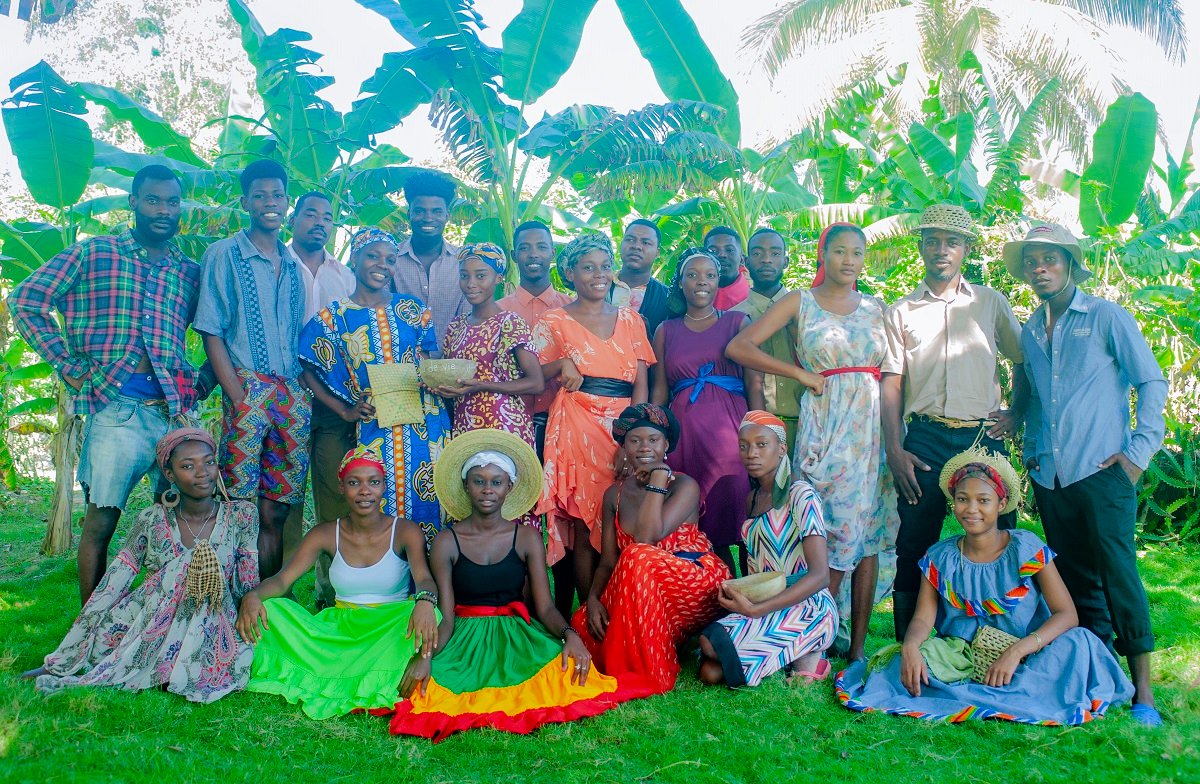
In Jacmel, a group of young people called Eau de Vie, founded in June 2021, is dedicated to the rediscovery of Haitian culture. Among the founding members are César Rocher, Déborah Vil, Max Jean Julien, Lansley Lemaire, Jacky Edwing Laguerre, Francesca Faustin, Sthélianie Dominique, Mackenson Gilot and Gédeon Riché. Their mission is to introduce young people to unknown sites in their own city, and soon, throughout the country. Through events like the "Jounen Dantan", Eau de Vie highlights local traditions and promotes cultural exchanges. Mainly based in Jacmel, the group organizes its activities in emblematic places such as the blue basin. Eau de vie aspires to strengthen the feeling of belonging of young people towards their heritage and to promote a spirit of community and sharing within Haitian youth.
Haiti, associated with its rich history and vibrant culture, also offers a little-known aquatic paradise. With its pristine beaches, crystal clear waters and spectacular marine diversity, this Caribbean country is an ideal destination for lovers of water activities. Discover a fascinating underwater world, experience thrilling adventures and enjoy the Haitian coastline.

First black nation to free itself from slavery and gain independence from France in 1804 and influenced other liberation movements around the world, inspiring struggles for freedom and equality.

Haïti is blessed with spectacular natural landscapes, including white sand beaches, mountains and rich biodiversity.

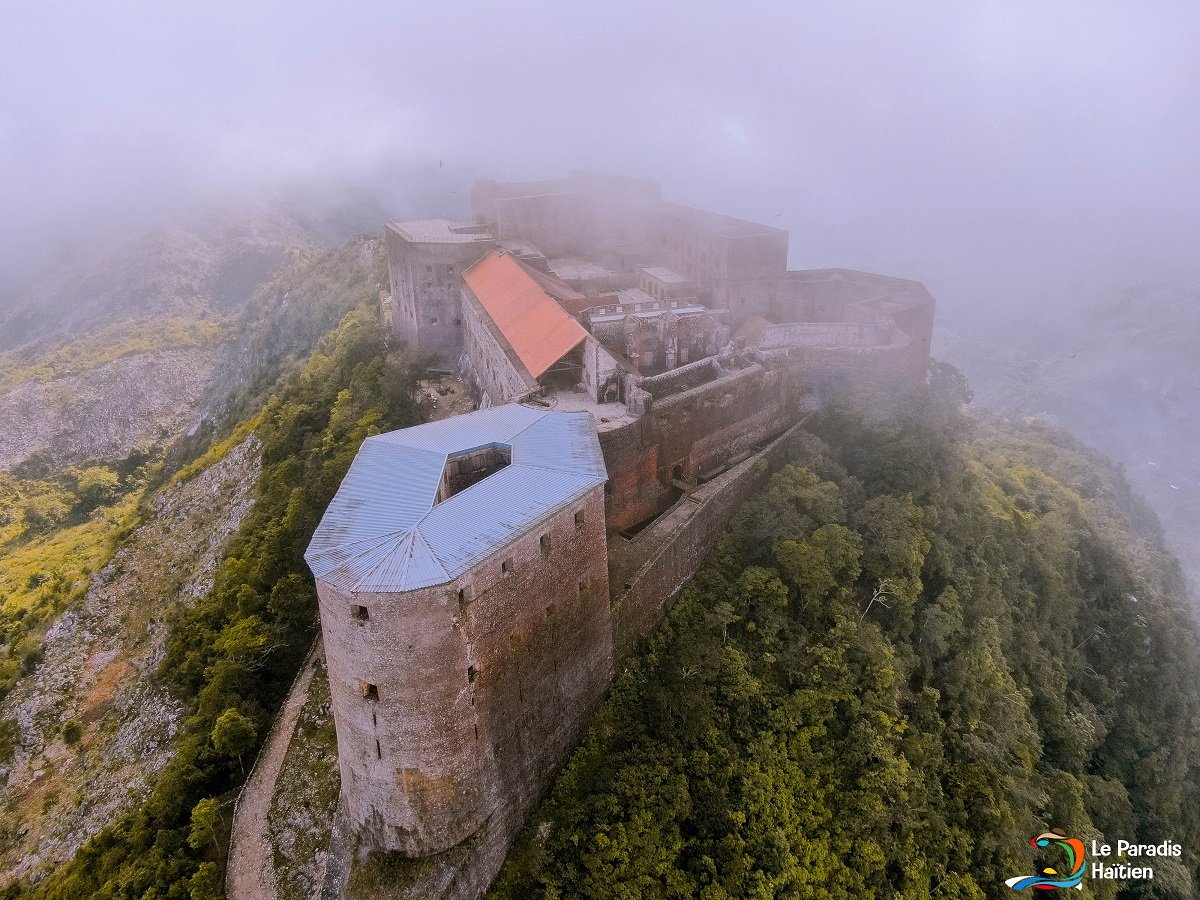
Haïti has a rich historical heritage, including sites like the Citadelle Laferrière and the Sans-Souci Palace, listed as UNESCO World Heritage Sites.

Haïti has a rich and diverse culture, influenced by African, European and indigenous elements. Haitian music, dance, art and cuisine are celebrated around the world.