


Haiti: EDEM Launches the "Chanje Lakay" National Competition to Train a New Generation of Leaders
Discover EDEM's "Chanje Lakay" National Competition to Train Future Leaders in Haiti. Participate Now!

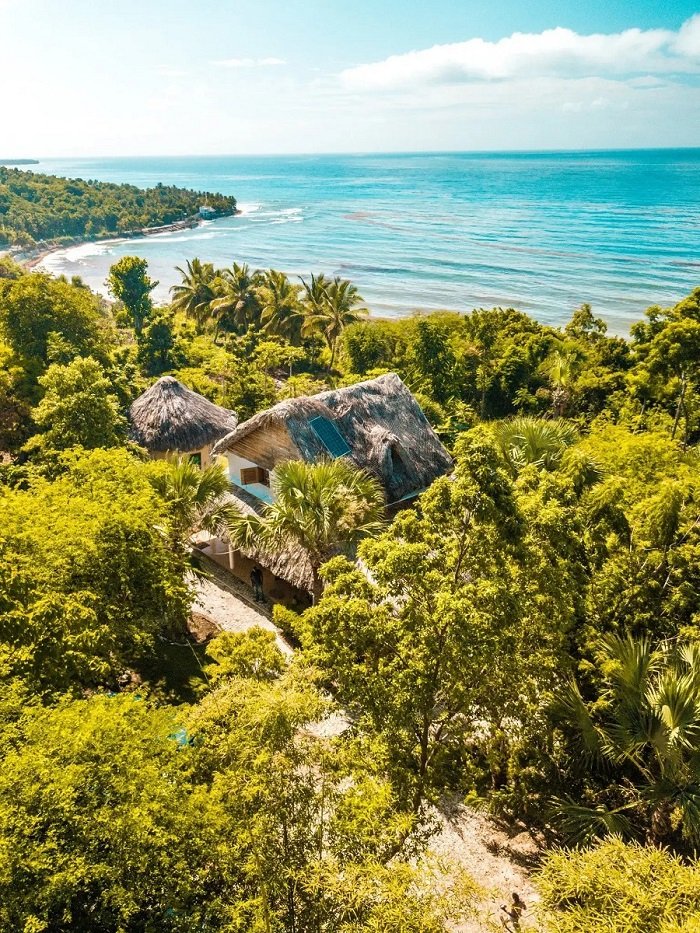
When it comes to choosing the perfect destination to spend the summer, Haïti emerges as a hidden gem in the Caribbean. With its favorable climate, sunny beaches and dazzling natural beauty, this island offers a unique and memorable tourist experience.
Jacmel, Haiti’s hidden gem, is celebrating its 326th anniversary this year. Located on the country’s southeastern coast, this picturesque city, known for its enchanting landscapes and rich cultural heritage, is an inexhaustible source of beauty and creativity.
The name "Haiti" is much more than just a word; it carries within it the history, culture and identity of a people. But what does this term really mean and what is its origin? Let’s discover together the richness of this word that resonates through the centuries.
Welcome to Haiti, the pearl of the Caribbean! This enchanting country offers much more than white sandy beaches and crystal clear waters. To complete your heavenly experience, here is a list of 12 restaurants to visit in Haïti where you can taste the best Haitian dishes.
Livre en Folie, this annual event long awaited by literature enthusiasts in Haiti, will be held on Thursday, August 15, 2024 at the Caribe Convention Center hotel in Juvénat. Indeed, Le Nouvelliste, in collaboration with its usual partners, invites the Port-au-Prince public to come and celebrate, for the thirtieth time, the great intellectual wealth of Haitian writers and other thinkers, in this great annual book fair. This year, the entrance fee is set at 1,000 gourdes, which will be returned to you in the form of coupons, in order to be able to buy books once inside. Thirty years after the first edition, livre en folie has become a pillar of Haitian literary life and a highlight of the Haitian year. This year, it will take place in a particularly difficult context for the country, both economically and in terms of security, but will still have the merit of bringing together thousands of Haitians around the subject of the book.
Haiti, located on the western part of the Caribbean island of Hispaniola, is often associated with its rich and complex history. However, beyond its cultural and historical aspects, Haïti is home to a remarkable diversity of fauna and flora that deserves to be explored and preserved. This article highlights the ecological wealth of Haiti, emphasizing its unique flora and fauna. Fauna: Haïti is home to a variety of animal species, some of which are endemic to the island. The country’s tropical rainforests are home to a great diversity of birds. The rugged mountains provide suitable habitat for rare species. The waters surrounding Haïti are also rich in biodiversity. Colorful corals, tropical fish and sea turtles find refuge in the coral reefs along the coast. Conservation efforts are crucial to protect these fragile marine ecosystems and preserve marine life. Flora: Haiti’s landscapes are adorned with a wide variety of plants and flowers. The tropical rainforests are home to majestic trees, the Hispaniola pine and the gum tree. These forests play an essential role in climate regulation and the preservation of biodiversity. The coastal plains are dotted with palm trees, including Haiti’s iconic royal palm. Botanical gardens, such as the Jardin Botanique des Cayes, are havens of greenery where you can admire a wide variety of tropical plants, some of which are endemic to the region. Haiti, with its unique flora and fauna, is an ecological gem that deserves to be preserved for future generations. Awareness, conservation and sustainable development are key elements to ensure the survival of this natural wealth. By investing in the protection of its environment, Haïti can not only preserve its ecological heritage, but also promote sustainable tourism and strengthen the resilience of its ecosystems in the face of current global challenges.
The Haitian flag is much more than just a national emblem. It is a symbol of the struggle for independence, cultural identity, and the resilience of a people. Every year on May 18, Haitians come together to celebrate their flag with a unique fervor. This article explores the significance of this day and the different ways it is celebrated across the country.
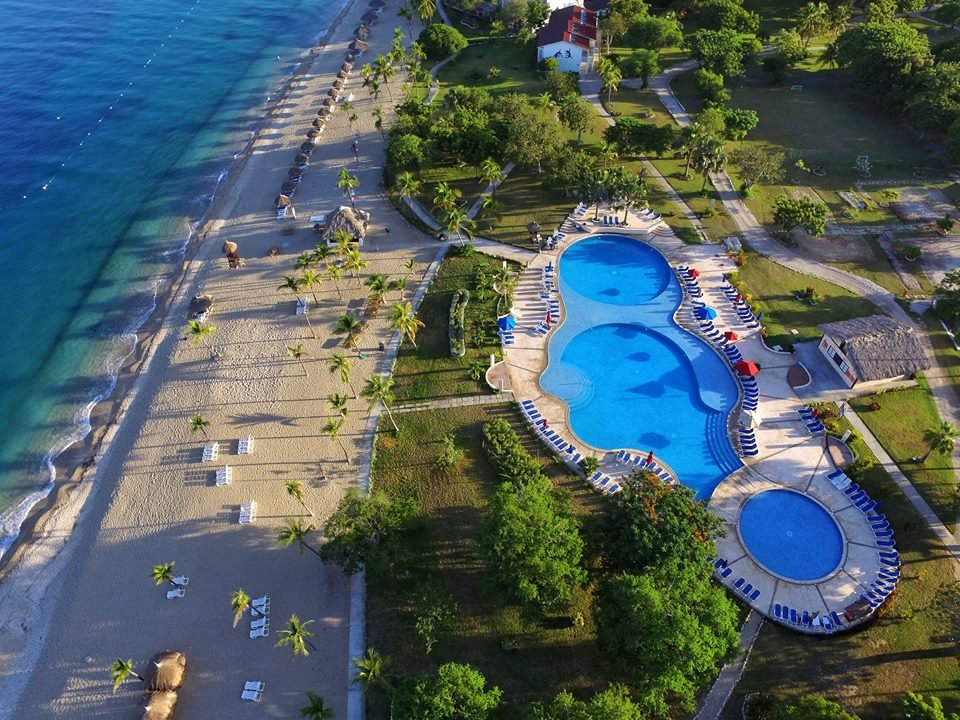
Discover the paradise beaches of Haiti, a gem to visit year-round. Immerse yourself in the beauty of this unique country! #Haiti #Beaches #Tourism
Sandra Dessalines is a self-taught Haitian painter, sculptor, and visual artist. She was born in Port-au-Prince but grew up in the commune of Carrefour. Today, she is an ambassador who brings Haitian culture to life through her art all over the world, particularly in France, where she has lived for more than a decade. An Honorable Journey Sandra Dessalines trained as an agricultural engineer at Quisqueya University in Port-au-Prince and continued her studies at INSA in Toulouse, France. Her official entry into the world of art came after the devastating earthquake that ravaged her homeland, Haiti, on January 12, 2010. This event pushed her towards art, allowing her to reach the level she occupies today. In terms of recognition, Sandra Dessalines has made a name for herself, with her original style, inspired by her native Haiti, gaining increasing recognition from major event organizers in Paris. In October 2024, she even received the public prize at Lmh Concept Events Art and Design for their 10th anniversary in Paris. This award perfectly reflects the originality of her work and her ability to touch people’s hearts through her creation.
Perched in the heights, above the commune of Pétion-ville, the commune of Kenscoff is a jewel lit up above the metropolitan area of Port-au-Prince. The commune is located in the department of the West of Haiti, and is about 10 kilometers from the city center of Port-au-Prince, the capital of the country. The city of Kenscoff was founded in 1930, and was elevated to the rank of commune in 1934. The commune has an area of 202.76 square kilometers and is made up of five communal sections: Belle-fontaine, Bongars, Grand-fonds, Sourcailles. And Nouvelle-Touraine. Kenscoff is one of the most mountainous communes in Haiti.
The question of whether Haïti is on the African continent sometimes comes up, but the answer is clear: Haïti is not on the African continent. This island country is located on the island of Hispaniola in the Caribbean and is part of the American continent, specifically Central America and the Antilles. However, the historical and cultural connection between Haïti and Africa is deep and deserves a more detailed exploration.
In the competitive world of the travel and hospitality industry, standing out is essential to attract customers and convince them to choose your property among a multitude of options. That’s where virtual tour services come in, providing an immersive experience that gives potential clients a realistic taste of what you have to offer. At the heart of this booming trend is Wonderland 360°, a division of Haïti Wonderland, specializing in creating high-end virtual tours for Airbnb, hotels, restaurants and other real estate businesses in Haiti.
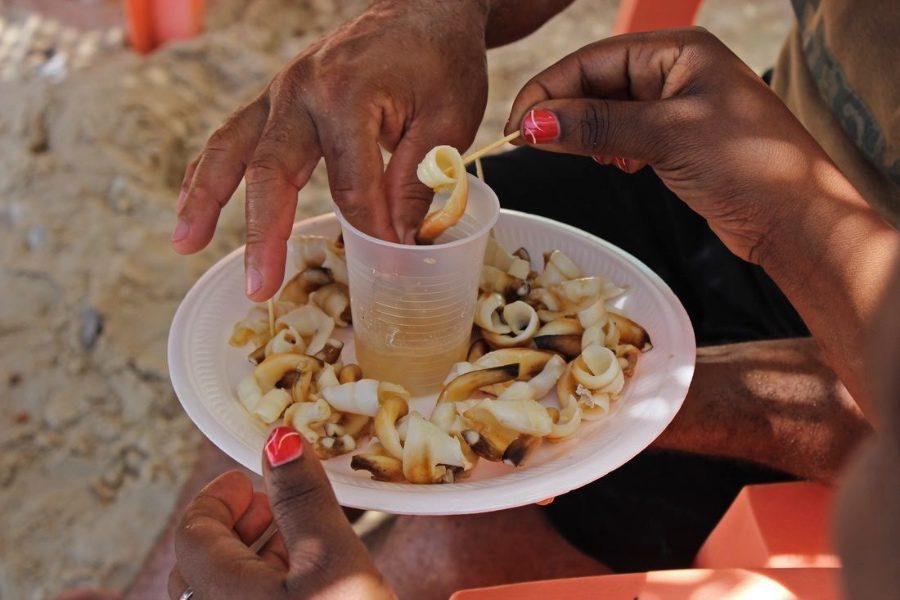
Haitian cuisine is rich and flavorful and is a true reflection of the country’s culture, history and traditions. It combines African, European and indigenous influences to offer diverse and delicious dishes. From everyday meals to traditional feasts, food in Haïti is more than just a way to eat, it’s a cultural experience. Discover with us what they eat in Haiti, and let yourself be seduced by the unique flavors of this Caribbean country.

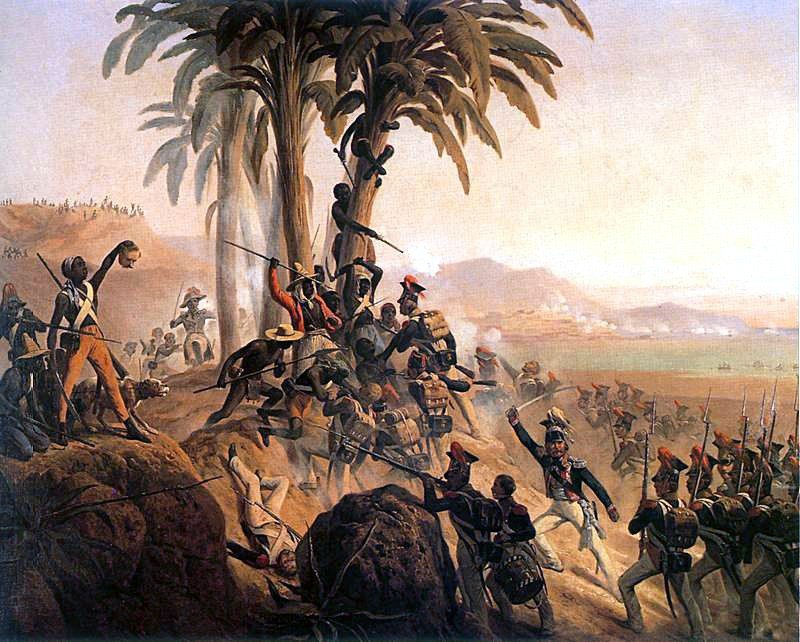
First black nation to free itself from slavery and gain independence from France in 1804 and influenced other liberation movements around the world, inspiring struggles for freedom and equality.

Haïti is blessed with spectacular natural landscapes, including white sand beaches, mountains and rich biodiversity.

Haïti has a rich historical heritage, including sites like the Citadelle Laferrière and the Sans-Souci Palace, listed as UNESCO World Heritage Sites.

Haïti has a rich and diverse culture, influenced by African, European and indigenous elements. Haitian music, dance, art and cuisine are celebrated around the world.