contact@haitiwonderland.com+509 36184317

Discover

Shopping Cart

Jacmel Carnival 2026: A major showcase of Haitian cultural creativity

Jacmel Carnival 2026: A major showcase of Haitian cultural creativity

Discover the Jacmel Carnival 2026, a symbol of Haitian cultural richness. Immerse yourself in the art and creativity of this unmissable festival!

The 2026 edition of the Jacmel Carnival took place in a festive and well-structured atmosphere, marked by a large public turnout and an organization praised by cultural authorities. According to a statement from the Ministry of Culture and Communication (MCC), the event was a success thanks to the exemplary mobilization of local cultural stakeholders and the institutional support of the State. Held under the theme "Jacmel in our dreams," this edition once again confirmed the central role of the city of Jacmel in promoting Haitian artistic and cultural heritage.

A successful organization with the support of the Ministry

The Ministry of Culture and Communication highlights the quality of the organization put in place for this 2026 edition. The logistical, security, and artistic arrangements ensured the smooth running of the carnival activities, respecting the traditional spirit of the event. This success is the result of close collaboration between local authorities, organizers, and national cultural institutions.

See as well

Jacme’s creative genius in the spotlight

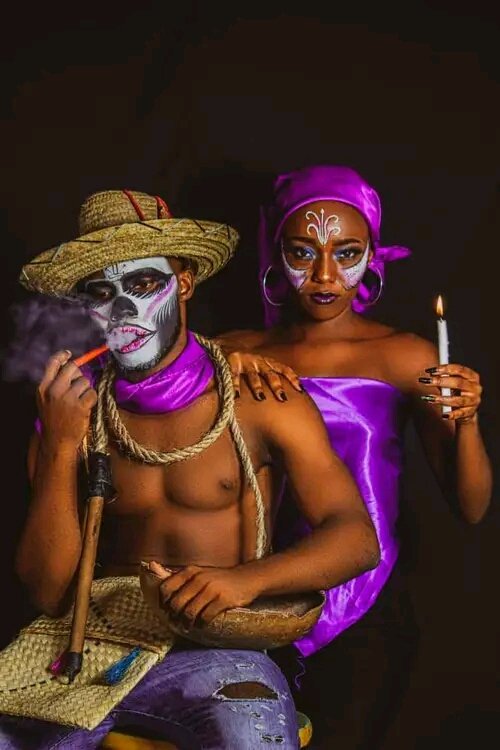
The carnival served as a true showcase for Haitian creative genius, particularly highlighting the talent of Jacme’s artisans. The famous papier-mâché masks, emblems of the Jacmel Carnival, once again captivated the public with their originality, finesse, and symbolic significance, testifying to an ancestral know-how passed down from generation to generation. Dances, costumes, and artistic expression: Dance troupes, brass bands, and cultural groups offered remarkable performances, illustrating the richness and diversity of local artistic expression. The costumes, with their vibrant colors and bold shapes, contributed to creating a unique atmosphere where tradition and modernity harmoniously met. Jacmel, a pillar of national cultural heritage: Through this 2026 edition, Jacmel confirms its unique place in the Haitian cultural landscape. The Ministry of Culture and Communication reaffirms its commitment to supporting initiatives aimed at preserving, promoting and revitalizing local cultural expressions, making the Jacmel Carnival an essential lever for cultural and identity influence for the country.

Share
About the Author
Moise Francois
Moise Francois
Moise Francois

Journalist editor, poet and apprentice lawyer.

See other articles from Moise Francois
Leave a comment

Recently Posted

Newsletter

Subscribe to our newsletter to stay informed of all our activities and news on Haiti.

Haiti: Flora and Fauna

Haiti, located on the western part of the Caribbean island of Hispaniola, is often associated with its rich and complex history. However, beyond its cultural and historical aspects, Haïti is home to a remarkable diversity of fauna and flora that deserves to be explored and preserved. This article highlights the ecological wealth of Haiti, emphasizing its unique flora and fauna. Fauna: Haïti is home to a variety of animal species, some of which are endemic to the island. The country’s tropical rainforests are home to a great diversity of birds. The rugged mountains provide suitable habitat for rare species. The waters surrounding Haïti are also rich in biodiversity. Colorful corals, tropical fish and sea turtles find refuge in the coral reefs along the coast. Conservation efforts are crucial to protect these fragile marine ecosystems and preserve marine life. Flora: Haiti’s landscapes are adorned with a wide variety of plants and flowers. The tropical rainforests are home to majestic trees, the Hispaniola pine and the gum tree. These forests play an essential role in climate regulation and the preservation of biodiversity. The coastal plains are dotted with palm trees, including Haiti’s iconic royal palm. Botanical gardens, such as the Jardin Botanique des Cayes, are havens of greenery where you can admire a wide variety of tropical plants, some of which are endemic to the region. Haiti, with its unique flora and fauna, is an ecological gem that deserves to be preserved for future generations. Awareness, conservation and sustainable development are key elements to ensure the survival of this natural wealth. By investing in the protection of its environment, Haïti can not only preserve its ecological heritage, but also promote sustainable tourism and strengthen the resilience of its ecosystems in the face of current global challenges.



Jacmel: the Haitian city whose history is linked to the liberation of Latin America

Jacmel is a city located on the southern coast of Haiti, specifically in the southeastern department. To this day, the city is known for its well-preserved colonial architecture and rich historical heritage, as well as its carnival, one of the most famous in the Caribbean. Jacmel is one of the oldest cities in Haiti. Its origins, according to some historians, trace back to the time of the Taíno people, the island’s first inhabitants, who lived here long before the arrival of Christopher Columbus and his settlers in 1492. Long before it became Jacmel, this city in southeastern Haïti was called Yakimel. The renaming of Jacmel was carried out by the French during their colonization of the western part of the island of Hispaniola. Over the years, Jacmel has transformed into a city where living well blends with the beauty of the sea, in the hearts of its visitors. Nature is fully embraced here, and the sea remains a source of joy throughout the day. Jacmel offers all of this, in addition to its glorious past, which anchors it as a major location in Haiti’s grand history. With its unique charm, Jacmel is among the Haitian cities that can leave a lasting impression. In the 1950s and 60s, until the early 1980s, Jacmel was one of the most popular tourist destinations in the Caribbean due to its reputation as a city with unmatched natural beauty and grace. During this time, the Jacmel coastline warmly welcomed cruise ships filled with tourists from all corners of the world. It was also during this period that Jacmel was one of the most commercially active cities in Haiti, among the country’s most economically flourishing, thanks to the significant influx of tourists.

Recently Posted

History

History

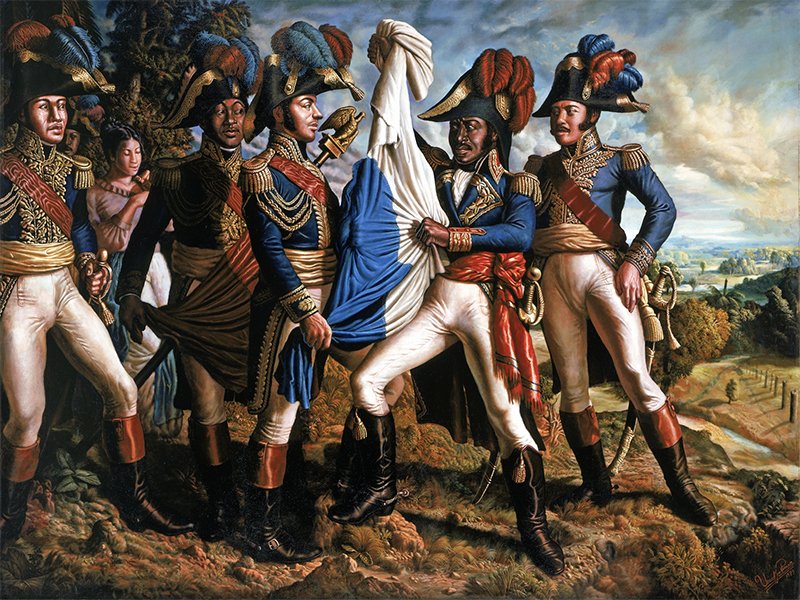
First black nation to free itself from slavery and gain independence from France in 1804 and influenced other liberation movements around the world, inspiring struggles for freedom and equality.

Natural beauty

Natural beauty

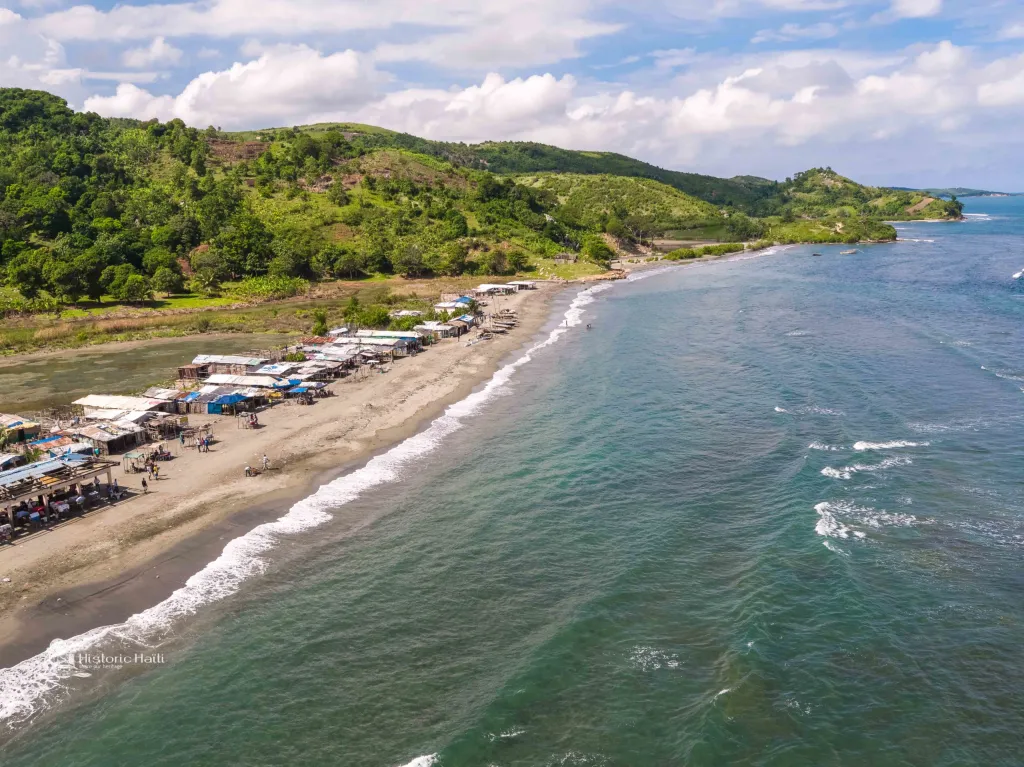
Haïti is blessed with spectacular natural landscapes, including white sand beaches, mountains and rich biodiversity.

Heritage

Heritage

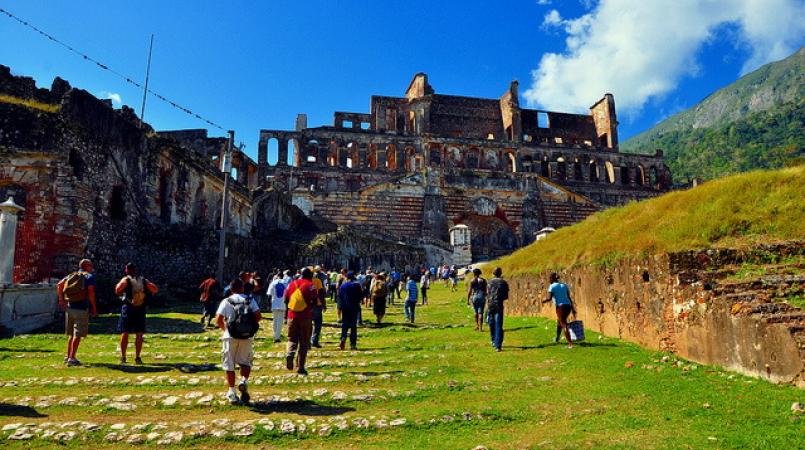
Haïti has a rich historical heritage, including sites like the Citadelle Laferrière and the Sans-Souci Palace, listed as UNESCO World Heritage Sites.

Culture

Culture

Haïti has a rich and diverse culture, influenced by African, European and indigenous elements. Haitian music, dance, art and cuisine are celebrated around the world.

  • +
    • Post