John Wisky Louirard, the commitment of a generation that still believes in Haiti
Discover the commitment of Haitian youth to a promising future with John Wisky Louirard. A glimmer of hope for Haiti.
Time management in Haïti follows a practice shared by several countries: daylight saving time. Adopted for several decades, daylight saving time consists of moving the clocks forward by one hour for part of the year in order to maximize the use of daylight. This article explores how and why this measure is applied in Haiti, as well as its impact on the daily lives of Haitians.
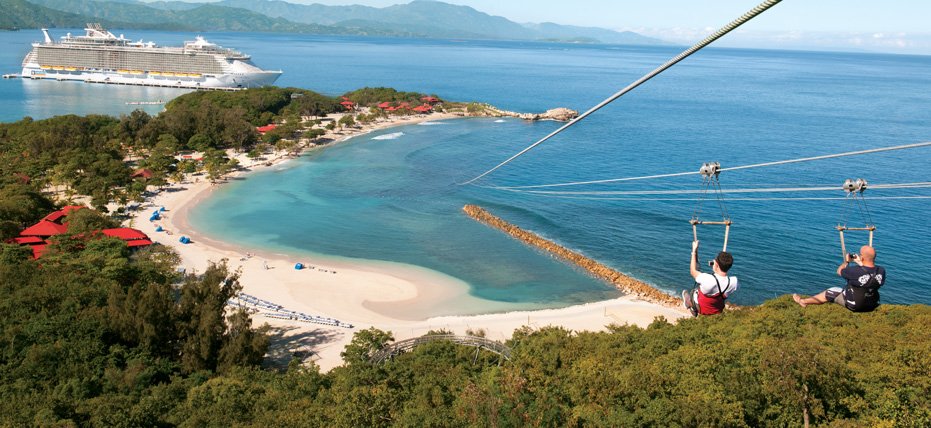
With its crystal clear waters, fine sand beaches and tropical climate, Haïti is a dream destination for seaside lovers. The country is full of heavenly beaches that attract foreign tourists and locals alike. Here is a selection of the most visited beaches in Haiti, each offering a unique experience.
If you dream of heavenly beaches where white sand, turquoise waters and landscapes blend, Haïti is the ideal destination for your vacation. This jewel of the Caribbean offers a multitude of beaches that captivate with their breathtaking beauty and unique atmosphere. Discover ten must-visit beach destinations in Haïti that promise to make your vacation unforgettable.
Haiti, pearl of the Caribbean, is full of natural and cultural treasures that deserve to be explored. Among these treasures, the breathtakingly beautiful beaches occupy pride of place. Here is our selection of the 10 must-see beaches to visit in Haiti, offering unique and memorable seaside experiences.
The word “Haiti” is deeply rooted in the history and culture of the island, representing much more than just a name. It symbolizes an identity, a heritage, and a unique geography. But what is the true meaning of this iconic word? Let’s explore its origins, history, and symbolic significance.
Receive your packages from the United States stress-free, without a credit card, even in difficult times! Waiting for a package from the United States can quickly turn into a nightmare in Haiti: thefts, delays, blocked or lost packages... Lorvenson Don Pierre has experienced these situations. But instead of giving up, this talented young developer decided to take action. He founded Smartcore Express, a simple, reliable, and secure solution to allow all Haitians to receive their packages from the United States, hassle-free.
Soup joumou, a traditional Haitian dish, is more than just a mealtime treat. For Haitians, the soup is a symbol of their struggle for freedom and national identity. This article explores the history, meaning, and how soup joumou plays a central role in Haitian culture.
Cap-Haïtien is preparing to host OKAP Flavors 2025, the unmissable event celebrating Haitian gastronomy, entrepreneurship, and creativity. To get you in the mood for the 2025 edition, relive some of the highlights from last year, which thrilled the entire city.
Since the beginning of the week, an unfounded rumor has been circulating in the United States, particularly in the state of Ohio, accusing Haitians in the diaspora of killing and consuming pets, as well as ducks in public ponds. These allegations, widely relayed by certain public and political figures, have been formally denied by local authorities and the police in Springfield, the city where these alleged events allegedly took place. Despite these denials, the rumor continues to thrive, fueling stigmatization against Haitian migrants.
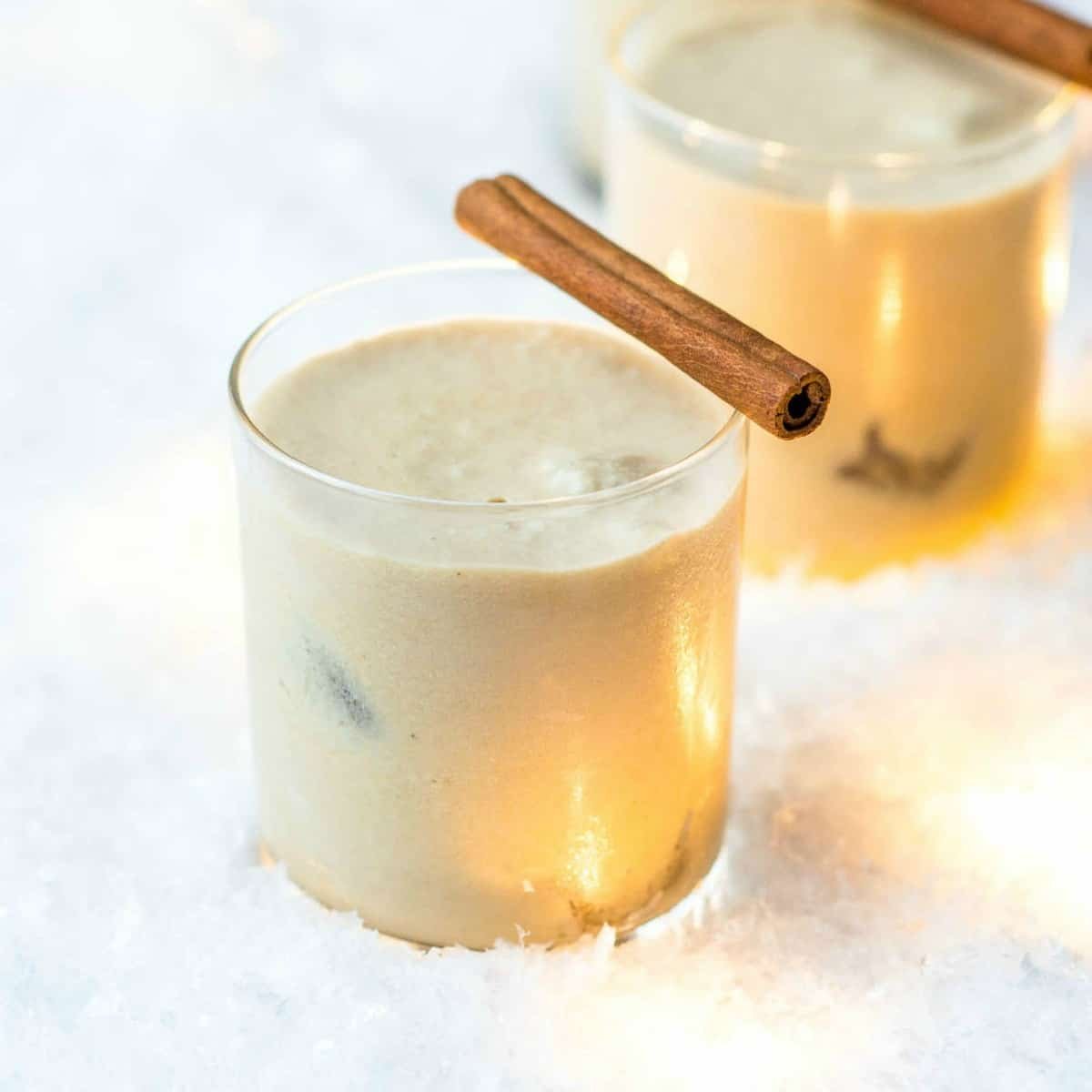
Christmas in Haïti is not limited to festivities and traditional songs. It is also an explosion of flavors, with typical desserts and drinks that delight the taste buds and add a unique touch to the celebrations. Discover 10 must-haves of Haitian gastronomy for an authentic and gourmet Christmas.
Haiti, a pearl of the Caribbean, not only boasts picturesque landscapes and rich history, but also offers a variety of culinary delights that tantalize the taste buds from the first meal of the day. Haitian breakfast, an exquisite blend of local flavors and culinary traditions, is an experience in its own right. Let’s discover together some ideas to start your day in the most delicious way possible.
Between dream and Haitian reality: A call for unity and action Many men have dreamed big for Haiti. Toussaint Louverture and Jean Jacques Dessalines are examples. Although torn apart by invisible hands, the social fabric of the country had always been considered the greatest project to be set in motion by men of letters. Until then, the history of Haïti remains and remains for Haitians the most appropriate space to dream and propose full and complete freedom. Indeed, Toussaint Louverture had the dream of improving the lot of slaves. Dessalines, for his part, sacrificed himself for the independence of our island (Haiti-Saint-Domingue). After our liberation from the French, men of letters had to take other paths to safeguard the dignity of the country. This situation showed another form of revolution like poets of the patriotism school with supporters such as: Louis Joseph Janvier, Anténor Firmin, Demesvar Délorme and the Generation of the Round with Fernand Hibbert, Georges Sylvain also the indigenous school with Jean Price Mars, Jacques Stephen Alexis, Roussan Camille etc... who express their discontent by pouring ink. By describing or painting the situation of the country. Several years which were first conceived and then born the idea of giving the country its sovereignty, its own bicolor, its army, etc. it was not easy and did not continue like this. Haïti needs for the moment men of dreams, men who love their countries, but not the wealth of this country, men who love the happiness of their country, but not its misfortunes, men who have viable projects , but are not specialists in carnage who are only interested in their pockets, rather for the happiness of our two-tone, men who must fight against corruption, against waste, against the invisible hands of foreigners, against this form of public administration which targets only a small group of people in the country to the detriment of the population, this form of insecurity planned by the state, the so-called bourgeoisies, economic powers from abroad such as: France, USA, Canada, Brazil. q~Haïti in 1979 with full power. Maître Fevry is said to have declared: The dream of Haïti cannot support, nor accept improvised solutions ~q. The Haitian’s dream must always be a team effort. A team of men of skill, vision, good will, reflection and meditation. q~ Men who can place their personal and private interests over public interests. Men who want to make a new start to achieve the dream of Jean Jacques Dessalines and that of Henri Christophe who aimed that Haitians will not envy any other country in the world so that all Haitians can be happy in their own country, chanted Professor Lesly Saint Roc Manigat.~q Our dear Haiti, which was once the pearl of the Antilles, is no longer present today. For this we ask all Haitians: children, young people, adults and old people, let us unite our arms, our strength, our voices and all that we could do to liberate our dear homeland Haïti Chérie. Let’s change our reality together! Long live Haiti, long live freedom for the whole world.

First black nation to free itself from slavery and gain independence from France in 1804 and influenced other liberation movements around the world, inspiring struggles for freedom and equality.

Haïti is blessed with spectacular natural landscapes, including white sand beaches, mountains and rich biodiversity.

Haïti has a rich historical heritage, including sites like the Citadelle Laferrière and the Sans-Souci Palace, listed as UNESCO World Heritage Sites.

Haïti has a rich and diverse culture, influenced by African, European and indigenous elements. Haitian music, dance, art and cuisine are celebrated around the world.