Haiti, a majestic Caribbean island, seduces with its landscapes, vibrant culture, and a fascinating history of struggle for independence. In this comprehensive article, discover everything you need to know to appreciate the beauty and authenticity of Haiti: its geographical location, legendary history, rich culture, heavenly beaches, historical sites, unique cuisine, traditions and much more.
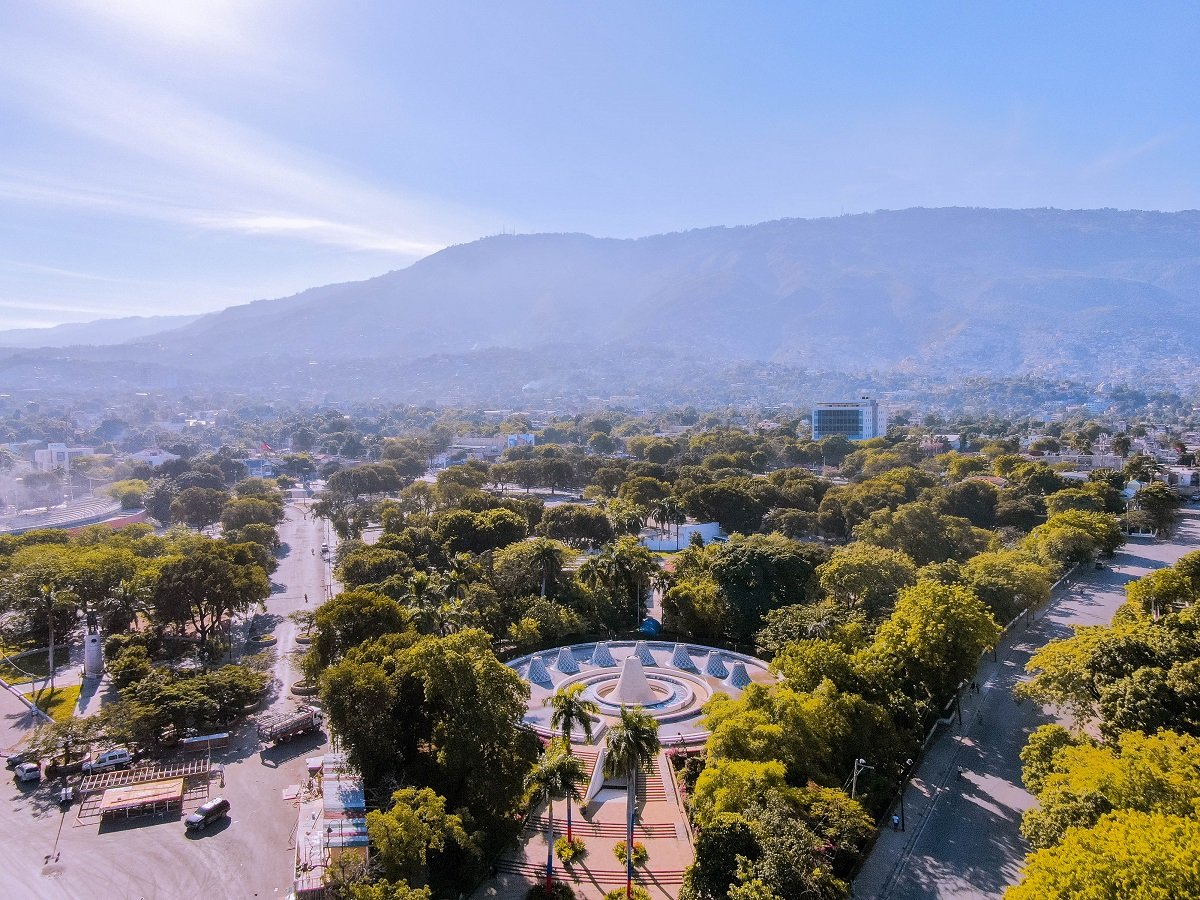
Haïti is located on the western part of the island of Hispaniola, which it shares with the Dominican Republic, in the Greater Antilles. It is bordered by the Atlantic Ocean to the north, the Caribbean Sea to the south and the Windward Channel to the west, which separates it from Cuba. Its surface area is approximately 27,750 km², with spectacular mountains and green plains. Haïti is close to the United States and Mexico, and its central location makes it an easily accessible destination for travelers looking for a change of scenery.
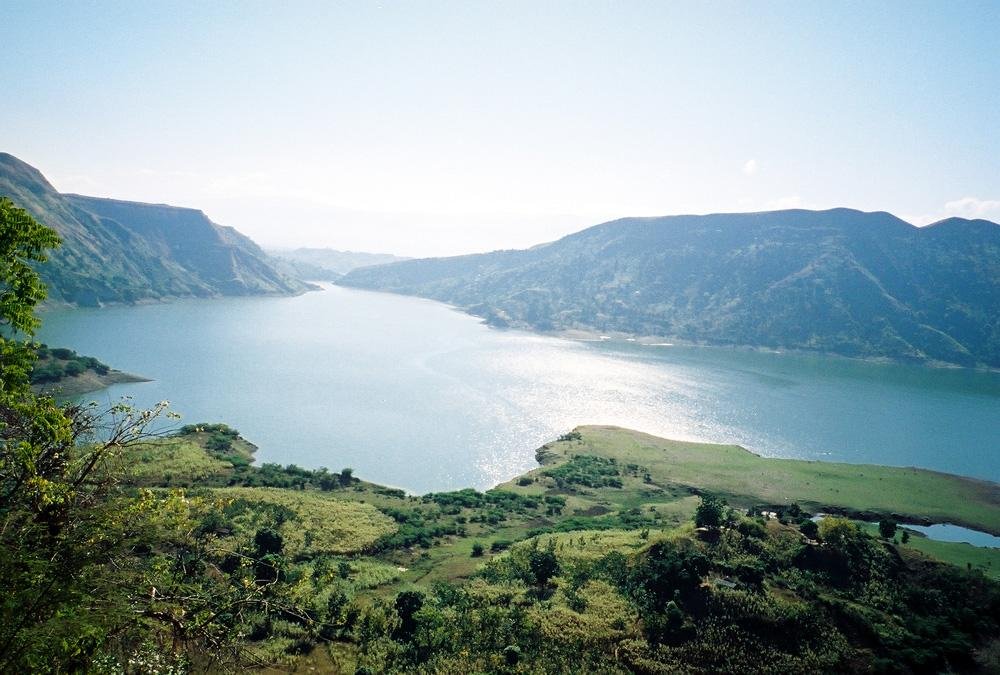
The Haitian landscape is dominated by mountains, the highest of which is Pic La Selle, reaching 2,680 meters above sea level. This configuration offers magnificent panoramas, perfect for hiking and ecotourism enthusiasts.
The history of Haïti begins with a fatal encounter between the Taino people, who have inhabited the island for centuries, and the Europeans in search of gold and glory. In 1492, Christopher Columbus landed on this island, which he renamed Hispaniola, and the spark of European colonization ignited there. The Spanish colonists exploited the resources and imposed their power at the cost of massacres and epidemics, almost entirely eradicating the indigenous population.
But the Europeans did not stop there. In 1697, France obtained the western part of the island, which it named Saint-Domingue, and transformed it into one of the richest colonies in the world thanks to the massive production of sugar, coffee and indigo. This economic success was based on the forced labor of hundreds of thousands of African slaves, treated with unimaginable cruelty. It was this context of terror and injustice that would fuel, decades later, the irrepressible desire for freedom.
At the end of the 18th century, French revolutionary ideas crossed the Atlantic and rekindled hope among the slaves of Saint-Domingue. A freed slave, Toussaint Louverture, emerged as a military genius and led a revolt that would shake the French Empire. After his capture and exile, Jean-Jacques Dessalines continued the fight and, in 1804, proclaimed Haiti’s independence. For the first time in modern history, a nation of former slaves broke its chains and defied the colonial powers. Haïti thus became the world’s first black republic.
However, freedom came at a price. In retaliation, France imposed an indemnity of 150 million gold francs on Haiti, plunging the young state into a crushing debt that hampered its development for decades. Internal struggles, coups d’état, and foreign interventions further complicated the situation of a country that was trying to build itself.
The Shadows of the 20th Century: Dictatorship and Foreign Invasions
The 20th century opened with periods of chaos and dictatorship. In 1915, the United States invaded Haïti and occupied the country for nearly twenty years, leaving a lasting imprint on its politics and economy. Then came the Duvaliers, a dynasty of authoritarian leaders: François "Papa Doc" and his son Jean-Claude "Baby Doc" ruled through terror and cronyism until the dictatorship ended in 1986. But the years that followed were marked by continued political unrest, changes of government, and economic crises.
In 2010, fate struck Haïti once again. A devastating earthquake destroyed the capital Port-au-Prince, killing hundreds of thousands and leaving an already vulnerable nation in a state of devastation. The international community intervened massively, but reconstruction remained slow and incomplete.
Haitian Culture: A Mix of African, European, and Native American Influences
Haitian culture is a mosaic of influences, including African, French, and Native American, that are reflected in its language, music, art, and traditions. Although French is one of the official languages, Haitian Creole is spoken by the majority of the population.
Haitian music is marked by genres such as compas, rara and troubadour. These styles are rhythmic, often accompanied by percussion and traditional instruments. Dances such as rara, practiced during religious festivals, show the spiritual and joyful dimension of Haitian culture.
Haitian art is very expressive and colorful, with paintings, sculptures and fabrics that tell local stories and legends. Artists such as Préfète Duffaut and Hector Hyppolite have made Haitian art known internationally.
Haïti has a rich cultural and historical heritage, marked by emblematic monuments that bear witness to its revolutionary past, its African heritage and its colonial influence. The country is famous for its Haitian Revolution, and several historical sites.
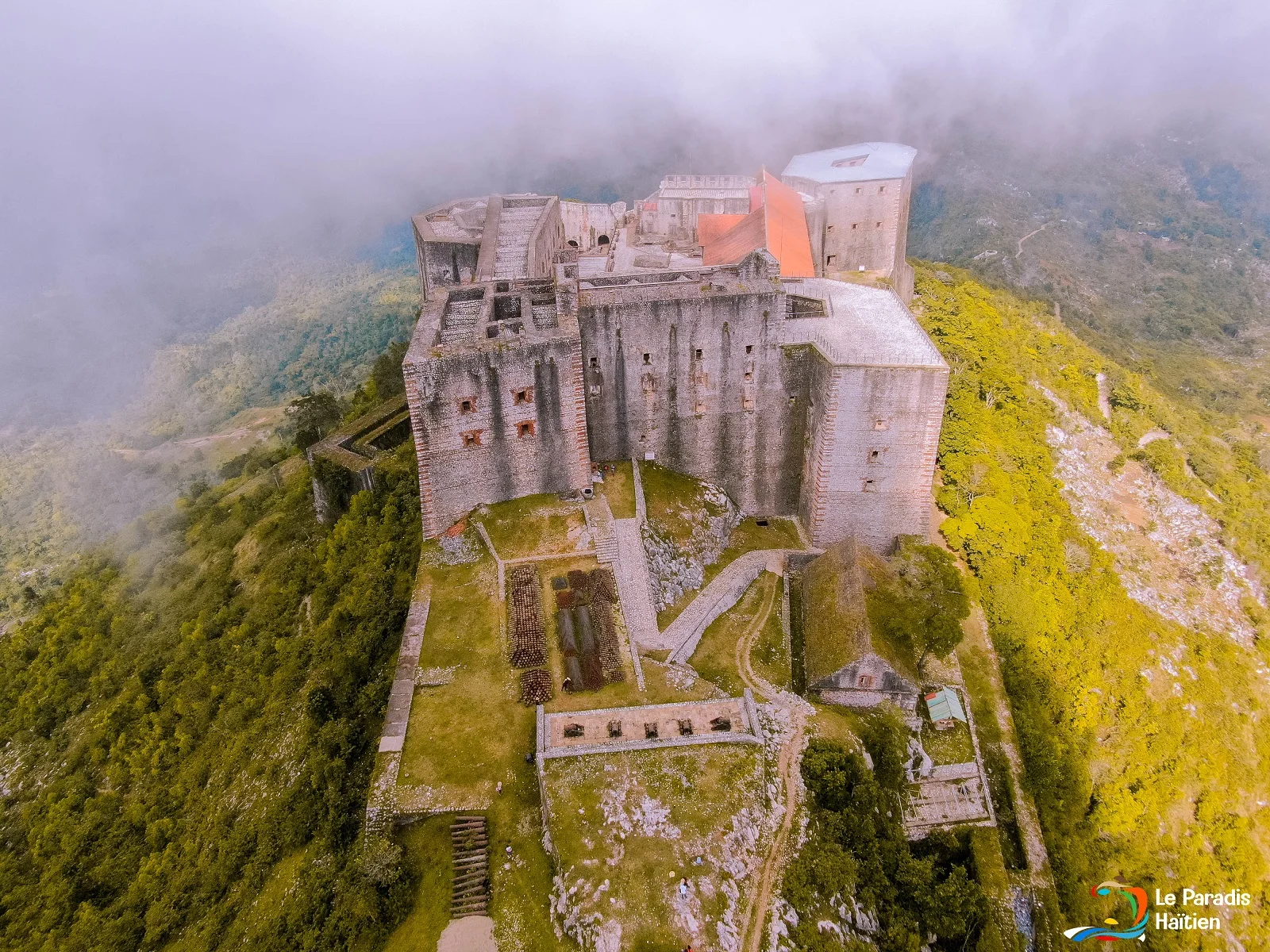
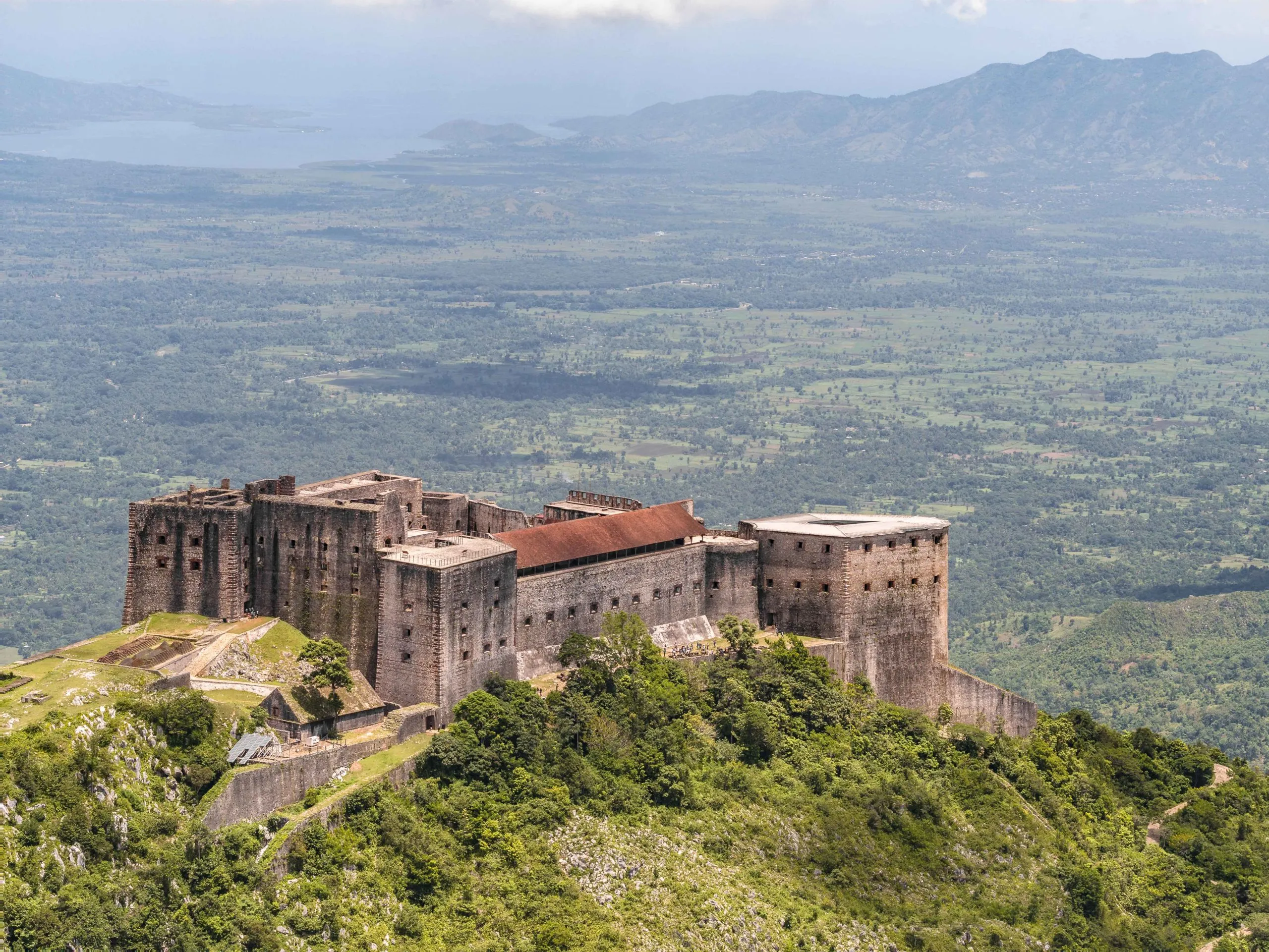
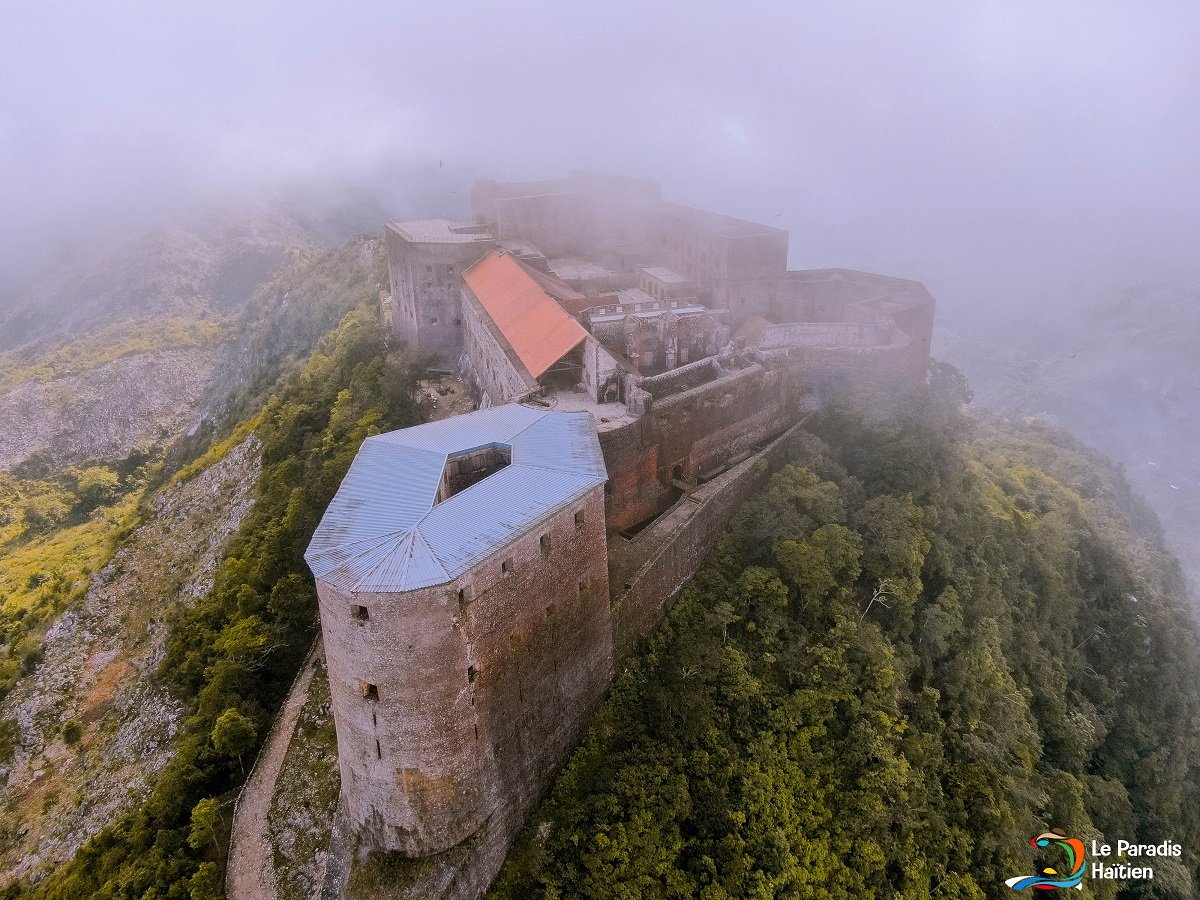
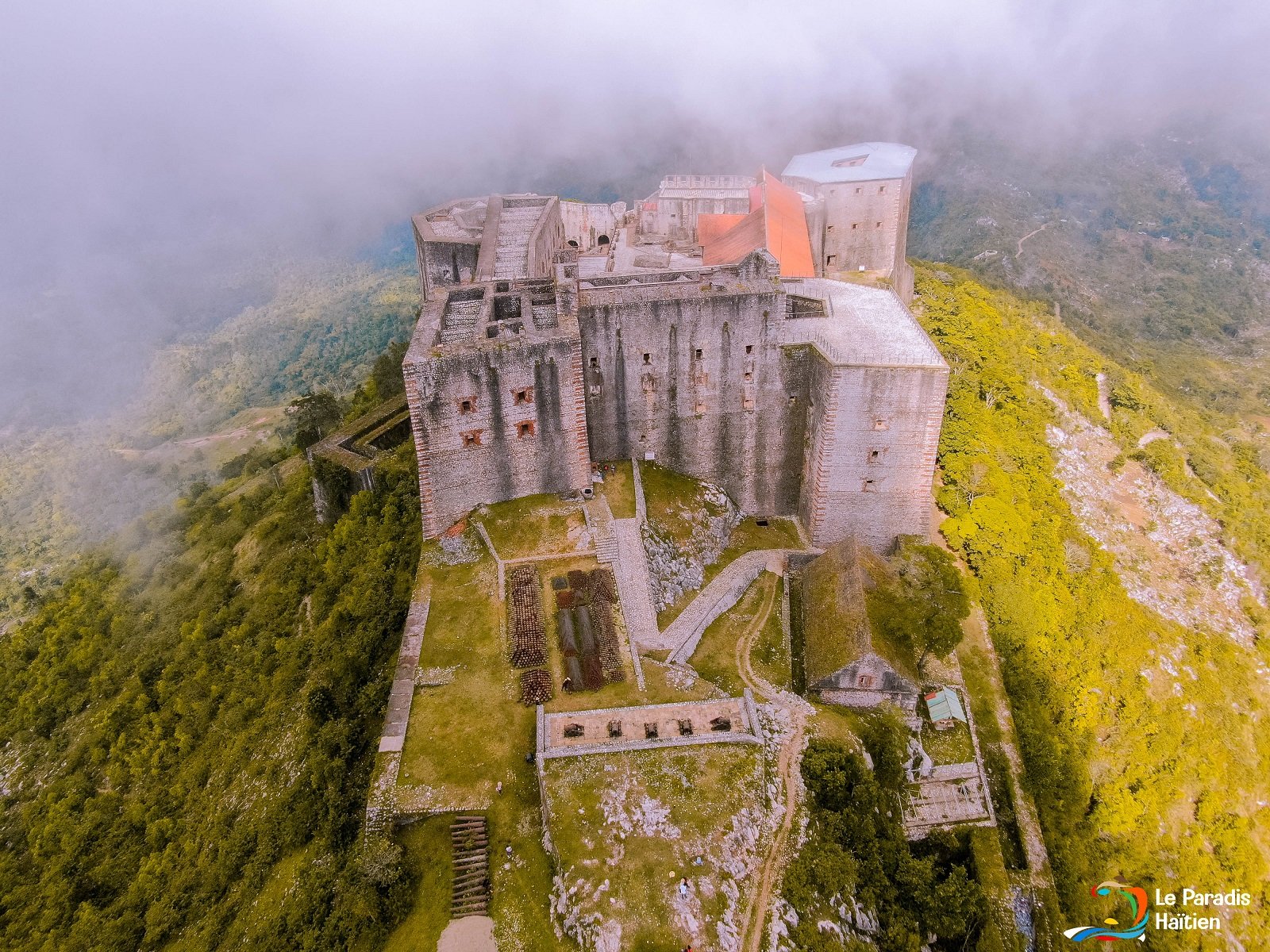
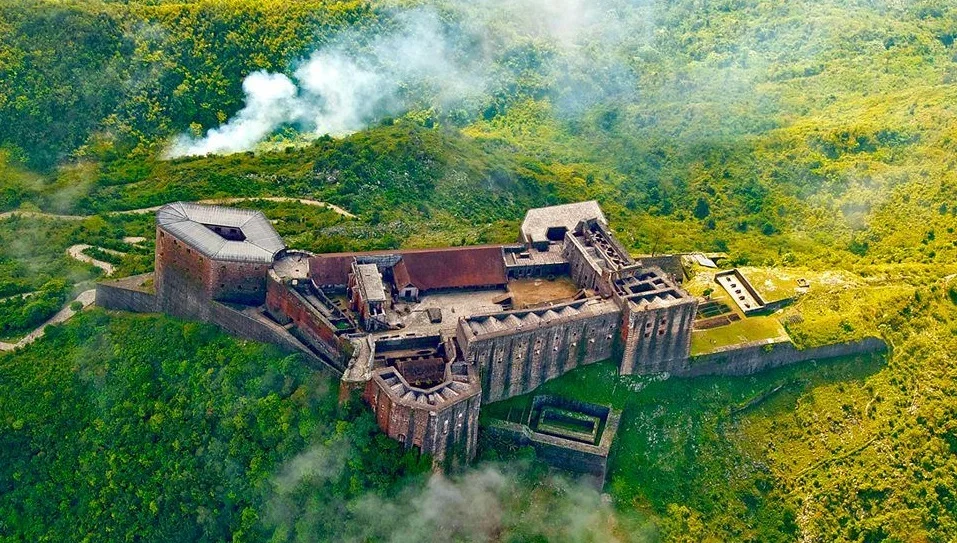
Among the most famous and significant sites of Haiti’s heritage, the Citadelle Laferrière, located in the north of the country, is a major symbol of the Haitian victory over slavery and independence. Classified as a UNESCO World Heritage Site since 1982, the Citadelle is an imposing fortress built after the Haitian Revolution to protect the country against invasions. It is a testament to the military ingenuity and determination of the Haitian people. This majestic edifice, perched on a mountaintop, dominates the landscape and embodies the courage and resilience of Haitians in their quest for freedom.
Not far from the Citadel, the Chateau Sans-Souci, another World Heritage Site, is also located in the Nord department. This palace, once the residence of King Henri Christophe, one of the leaders of Haitian independence, illustrates the refinement of French colonial architecture and the political aspirations of the country’s first leaders. Although the chateau was partially destroyed by an earthquake, it remains a symbol of the grandeur of the post-independence era and the vision of a prosperous Haiti.
Haitian architecture is also a fundamental aspect of the country’s heritage. In the capital city of Port-au-Prince, many colonial buildings, such as the Church of Saint-Pierre and the Old Courthouse, demonstrate the French influence on Haitian architecture before independence. These structures feature neoclassical and baroque style features that are characteristic of the colonial era.
In addition to its historical monuments, Haïti is also rich in cultural traditions, particularly through music, dance, and art. Rara, a traditional festive music, is a living symbol of African heritage and slave resistance. Haitian visual arts, including Haitian naïve painting, are renowned worldwide, and events such as the Port-au-Prince International Jazz Festival celebrate local music and culture.
Beaches and Natural Beauties: Haiti, a Tropical Paradise
Haïti has some of the most beautiful beaches in the Caribbean. These natural places are perfect for swimming, snorkeling and water sports. From the north to the south of the island, many beaches welcome visitors with their white sand, turquoise waters and peaceful atmosphere. Here is an overview of some of the most beautiful beaches in Haiti, where nature and tranquility come together to offer an unforgettable experience.
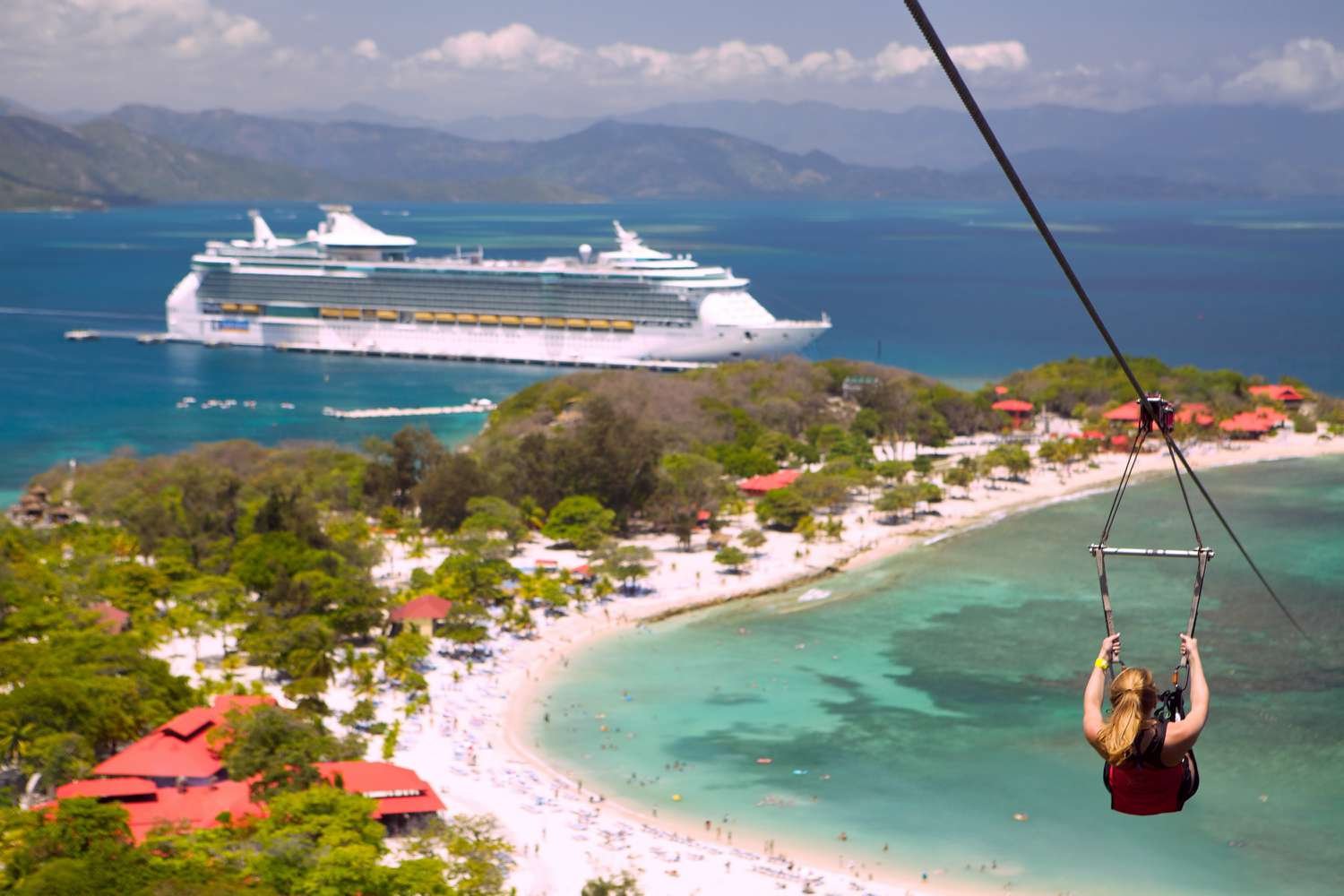
Located on the north coast, Labadee is probably the most famous beach in Haiti. Although it is private and managed by Royal Caribbean, Labadee remains a must-see place for travelers looking for relaxation and leisure. This idyllic spot is known for its crystal clear waters, white sand and spectacular mountain scenery. Labadee offers a variety of activities, including swimming, snorkeling, jet skiing and even the world’s longest zip line that crosses the sea, offering spectacular views of the beach and surrounding mountains. It’s the perfect place for families or those looking to combine relaxation with adventure.
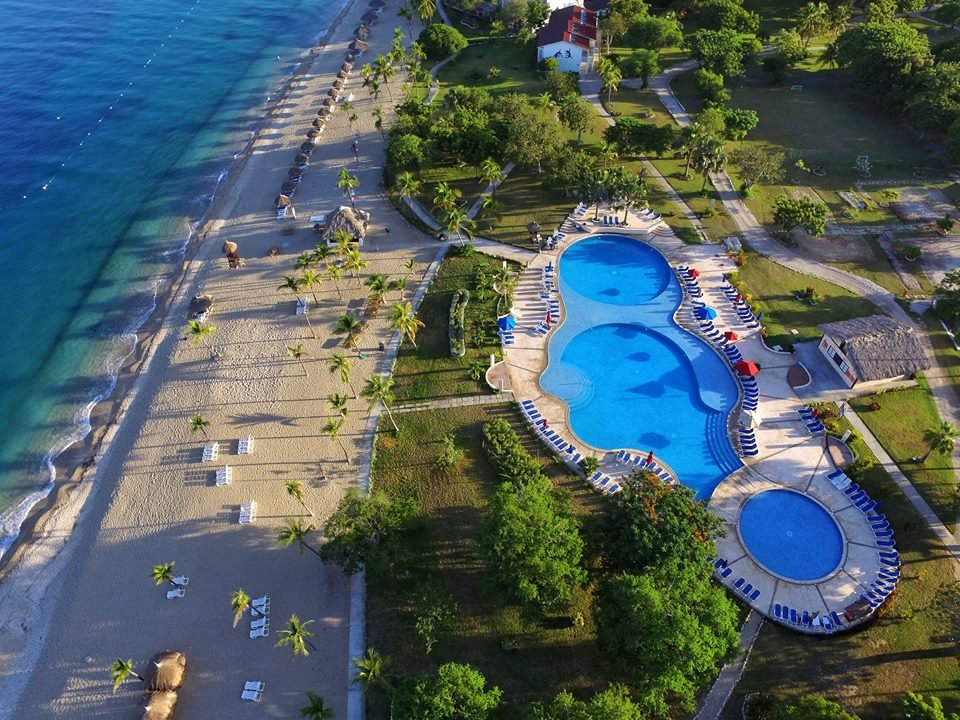
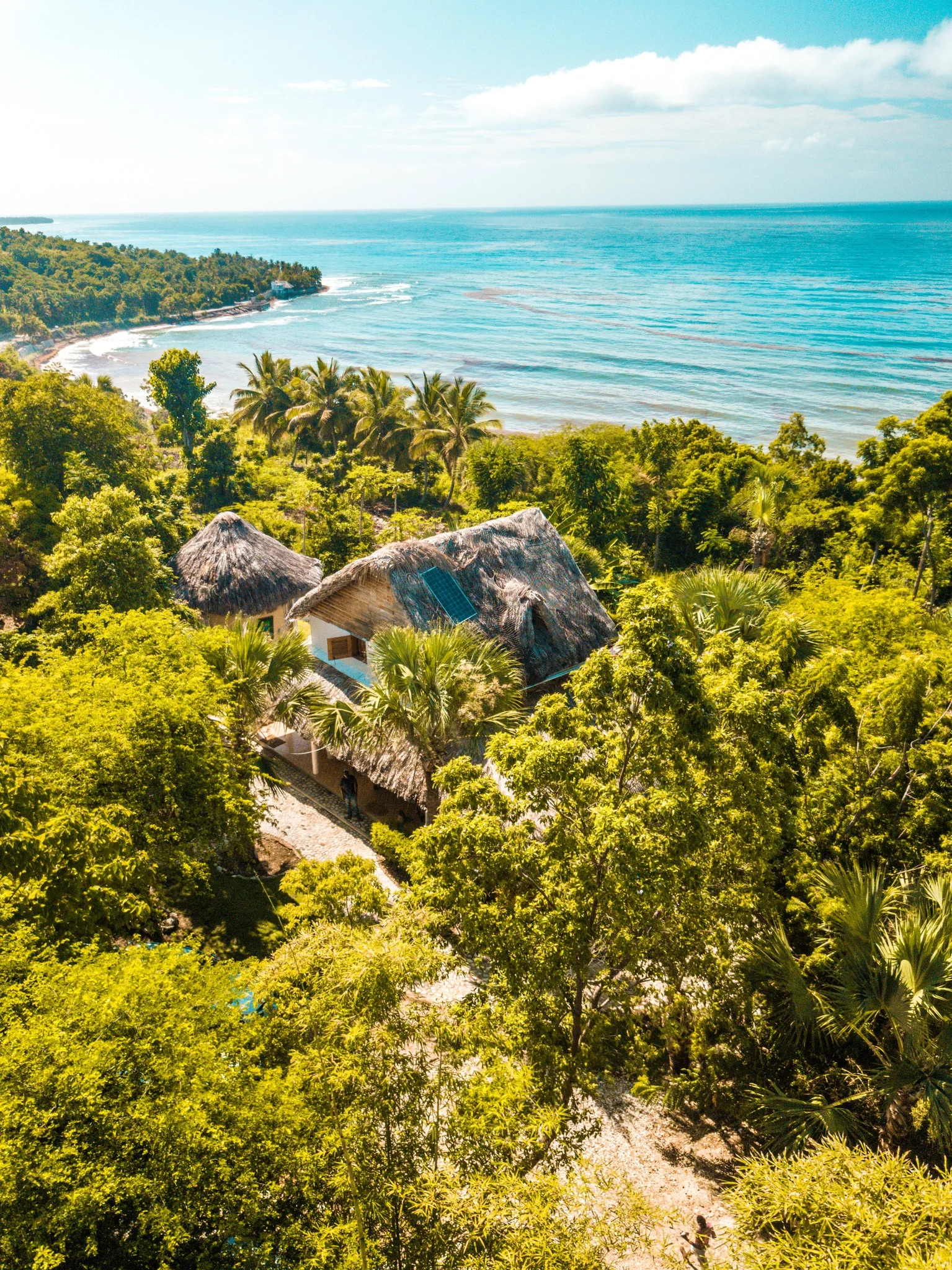
A few kilometers from Cap-Haïtien, Cormier Plage is one of the most popular beaches in the country, due to its preserved natural setting and calm atmosphere. With its turquoise waters, fine sand and coconut trees lining the coast, Cormier offers an authentic experience of the beauty of Haiti. This peaceful place is perfect for those looking to escape the hustle and bustle and connect with nature. In addition, the accommodation is comfortable, with bungalows and restaurants by the sea where visitors can enjoy local dishes while admiring the landscape. Cormier Plage is also a good starting point for exploring the surroundings of Cap-Haïtien, with visits to the Citadelle Laferrière or the Château de Sans-Souci.
Located off the northern coast, Île-à-Rat is a little corner of paradise accessible by boat from Cap-Haïtien. This small islet is surrounded by coral reefs and crystal clear waters, ideal for scuba diving and swimming. Île-à-Rat is perfect for those looking for a more intimate and wild place, far from the big crowds. The island is not very developed, which preserves its natural and authentic side. You will find isolated beaches there, ideal for a family picnic or a lazy day under the Caribbean sun. It is a perfect place for nature lovers and those who want to explore a true haven of peace.
Located just thirty kilometers from Port-au-Prince, Moulin sur Mer is a quiet beach that has a special place in the hearts of Haitians and travelers alike. This historic place, a former sugar mill transformed into a seaside resort, combines both history and natural beauty. Moulin sur Mer offers a beautiful white sand beach, clear waters and a serene atmosphere. In addition, this place has tourist facilities such as restaurants, swimming pools and water activities for visitors. It is also known for its friendly atmosphere and pleasant setting, perfect for a getaway with family or friends.
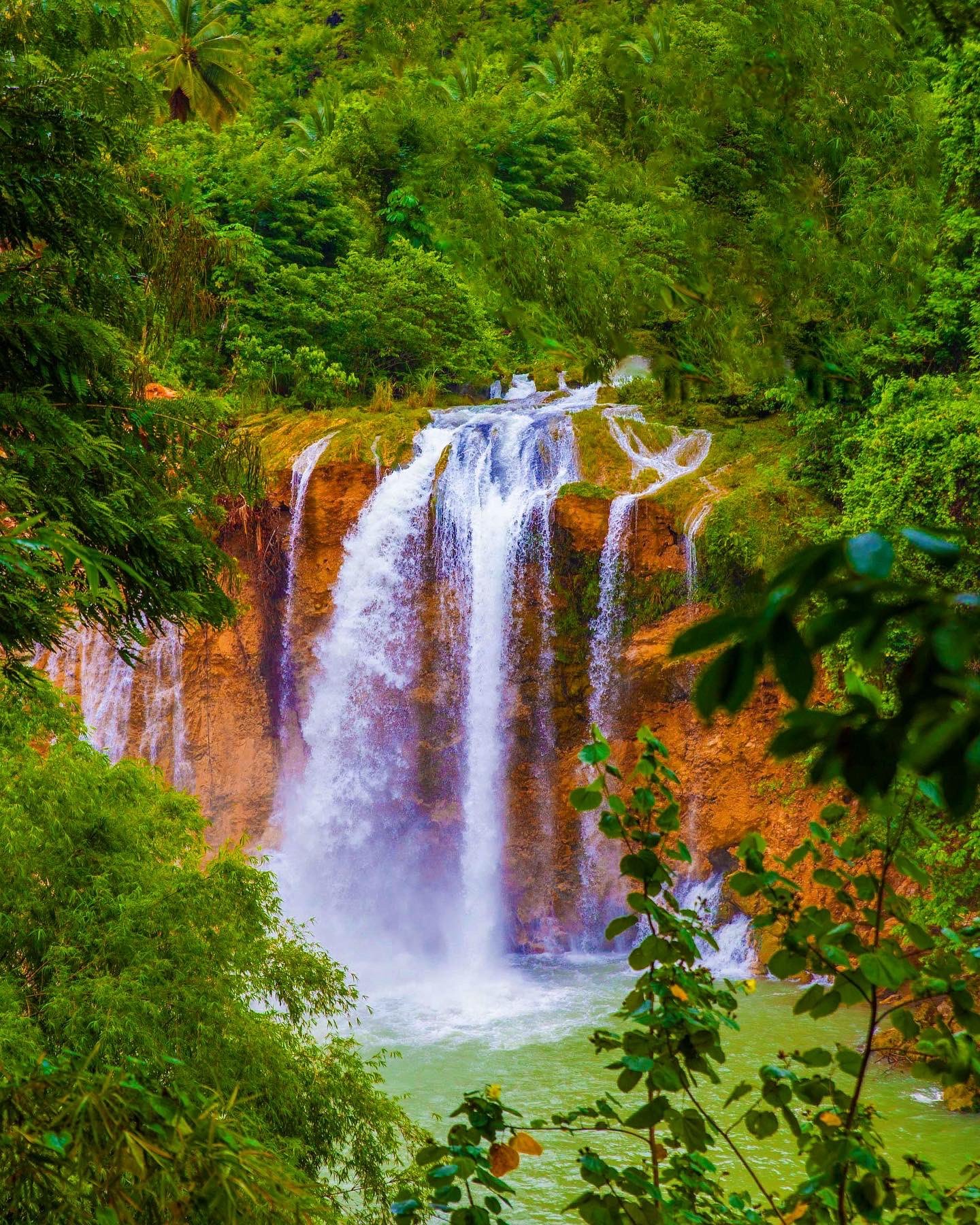
Located near Jacmel, in the south of Haiti, Bassin Bleu is not a classic beach, but rather a breathtaking natural site. This crystal clear freshwater pool, surrounded by cliffs and tropical forests, offers a magical setting for hiking and swimming enthusiasts. Accessible after a short hike through the jungle, Bassin Bleu is a place of serenity where visitors can bathe in natural pools fed by waterfalls, while enjoying the incredible beauty of the surrounding landscapes. Although it is not a beach in the traditional sense of the term, the site offers an incomparable moment of freshness and a total immersion in Haitian nature.
Haitian cuisine is a subtle blend of African, French and Creole flavors. Dishes are often seasoned with local spices, resulting in intense and comforting flavors.
On January 1st, the Haitian people celebrate their independence with festivities throughout the country, including the traditional tasting of soup joumou.
Carnival is known for its handmade masks and elaborate costumes, reflecting the history and creativity of local artisans. It attracts thousands of visitors each year.
This voodoo celebration in homage to the spirits of the ancestors takes place in November. Participants honor the spirits with songs, dances and offerings.
The Haitian climate is tropical, with an average annual temperature around 27°C. There is a dry season, from November to March, and a rainy season, from May to October. The warm and sunny climate, combined with mild winds, makes it an ideal destination all year round.
https://haitiwonderland.com/haiti/tourisme/haiti-et-son-climat/129
Before traveling to Haiti, here is some practical information:
- Languages spoken: Haitian Creole and French.
- Currency: The Haitian Gourde (HTG).
- Formalities: Check the visa requirements according to your nationality.
Haïti is a hidden treasure of the Caribbean, rich in history, natural beauty and vibrant culture. Whether you are a lover of tropical landscapes, a history buff or an explorer of flavors, Haïti offers a memorable experience and a warm welcome. Plan your trip now to discover all that this fascinating country has to offer.
Share
About the Author
Appolon Guy Alain
Appolon Guy Alain
Full Stack Developer, Créatif, expérimenté, passionné des nouvelles technologies et de l’art.
First black nation to free itself from slavery and gain independence from France in 1804 and influenced other liberation movements around the world, inspiring struggles for freedom and equality.
Natural beauty
Haïti is blessed with spectacular natural landscapes, including white sand beaches, mountains and rich biodiversity.
Heritage
Haïti has a rich historical heritage, including sites like the Citadelle Laferrière and the Sans-Souci Palace, listed as UNESCO World Heritage Sites.
Culture
Haïti has a rich and diverse culture, influenced by African, European and indigenous elements. Haitian music, dance, art and cuisine are celebrated around the world.