contact@haitiwonderland.com+509 36184317

Discover

Shopping Cart

Soup Joumou Recipe: Discover the Iconic Dish of Haitian Cuisine

Soup Joumou Recipe: Discover the Iconic Dish of Haitian Cuisine

Soupe joumou, also known as soupe au giraumon, is much more than just a dish for Haitians. It embodies the spirit of freedom and resilience, celebrating Haiti’s independence every January 1st. This unique dish, made with giraumon, a tropical squash, fresh vegetables and meat, is known for its rich flavor and historical roots. Discover the traditional recipe for soupe joumou and its history, as well as the steps to prepare it at home.

Haïti - soupe joumou

Why is Soupe Joumou So Important in Haiti?
-

See as well

Haïti - soupe joumou

Traditional Soupe Joumou Recipe: Ingredients and Preparation

Here are the ingredients and steps for an authentic soupe joumou recipe that you can easily prepare at home to enjoy this iconic Haitian dish.

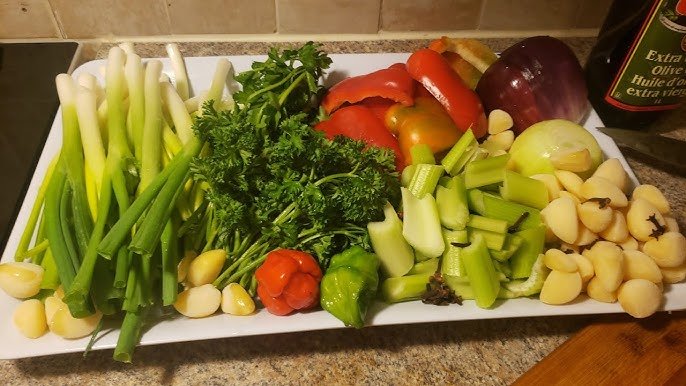
- Meat: 500 g beef
- Pumpkin: 1 kg, peeled and cut into pieces
- 2 potatoes
- 2 carrots
- 1 leek
- 1/2 cabbage
- 1 turnip
- Pasta: 100 g macaroni
- 3 cloves garlic
- 1 onion
- Parsley
- 1 beef bouillon cube
- Salt, pepper, thyme and ground cloves
- 2 habanero peppers (optional for spiciness)

Haïti - soupe joumou

Steps to Prepare a Delicious Joumou Soup

1. Prepare the Meat: Marinate the beef with lemon, garlic, salt, and pepper, then brown until golden brown. Cover with water and cook for an hour.

2. Cook the Pumpkin: Boil the pumpkin until tender, then puree it.

3. Mix the Puree and Meat: Add the pumpkin puree to the pot with the cooked meat.

4. Stir in the Vegetables and Spices: Add the potatoes, carrots, leek, cabbage, turnip and the bouillon cube. Season with parsley, thyme, habanero pepper and ground cloves.

5. Cook the Pasta: Add the pasta when the vegetables are tender and cook until the pasta is ready.

6. Adjust the Seasoning and Serve: Remove the peppers and serve the soup piping hot, accompanied by crusty bread.
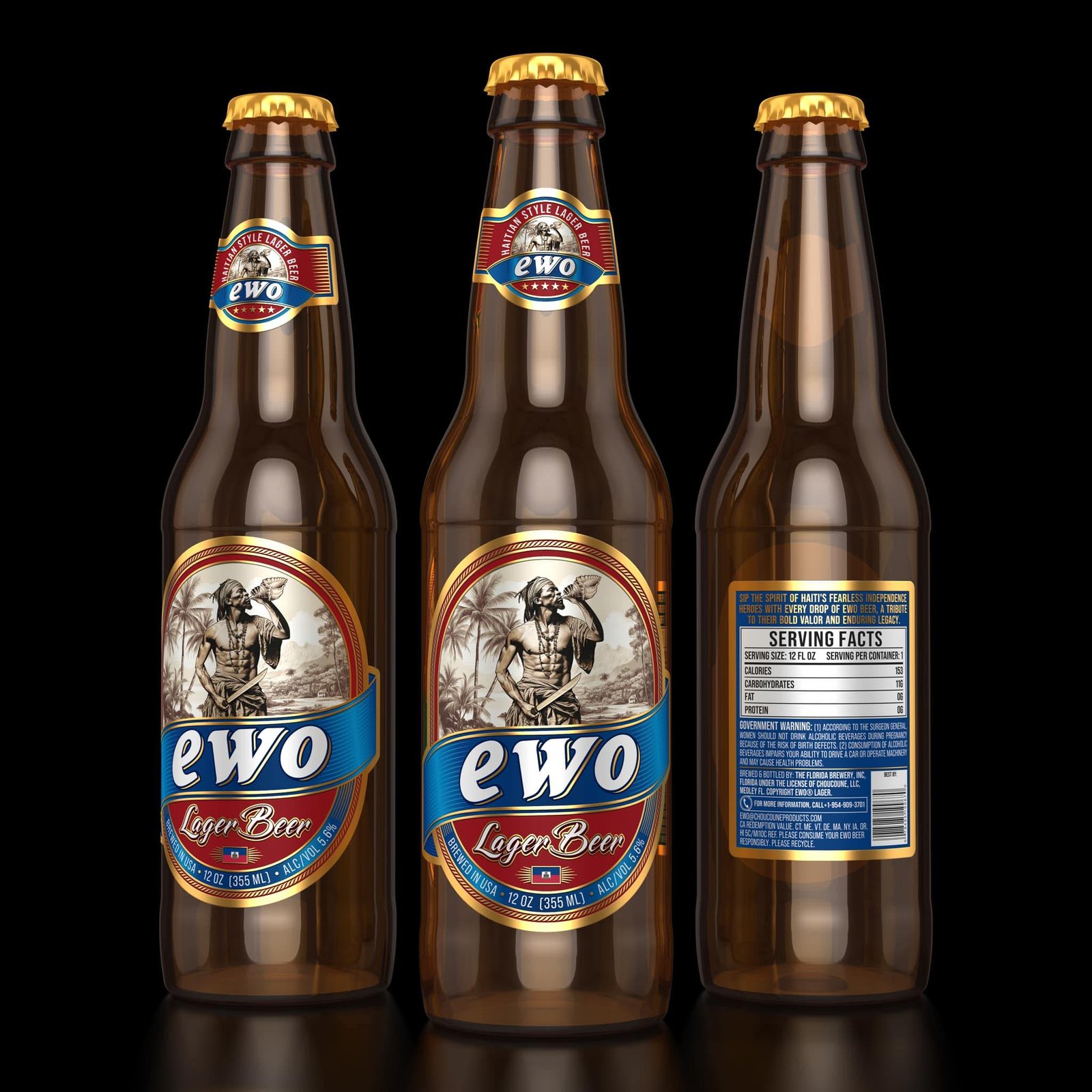
Official launch of  Ewo  Beer: Haitian Pride across the World
Official launch of Ewo Beer: Haitian Pride across the World

Official launch of “Ewo” Beer: Haitian Pride across the World

December 1 marked an exceptional moment for the Haitian community and beer lovers around the world, with the official launch of “Ewo” beer by Haitian entrepreneur Jhonson Napoléon. After the success of “Kola Choucoune”, already present in several countries, including the United States and Canada, it is the turn of “Ewo” beer to take the American market by storm. Available in several cities in the United States, this beer embodies the perfect marriage between tradition and innovation, offering consumers a unique taste experience. “Ewo” beer is much more than just an alcoholic beverage. It is a delight that skillfully blends the authentic flavors of Haitian culture with a touch of innovation. In a country where Prestige beer and Barbancourt rum have already conquered palates around the world, “Ewo” beer is proudly added to the list of Haitian taste treasures. Jhonson Napoléon, the man behind this new creation, continues to fly the colors of Haïti across the globe. His commitment to promoting quality Haitian products continues to strengthen the reputation of his country of origin. “Ewo” beer is not just a drink, it is a symbol of Haitian creativity and perseverance that transcends borders. This new step demonstrates the country’s ability to be part of the global trend for quality craft beers. “Ewo” beer is not only a leading local product, but it also stands out on the international scene as the representative of a rich and dynamic culture. The pride that Haitians feel for the success of Jhonson Napoléon and the growing fame of “Ewo” beer is palpable. It is a success story that transcends geographic boundaries and embodies the strength of the Haitian entrepreneurial spirit.

Haïti - soupe joumou

Tips for a Successful Joumou Soup

- Use fresh pumpkin: Choose a very ripe pumpkin for a more flavorful soup.
- Avoid overcooking the pasta: Add it at the end of cooking to prevent it from becoming mushy.
- Adjust the spices to your taste: Soup joumou can be adjusted according to your tolerance for spiciness.

Haïti - soupe joumou

Soup Joumou and World Heritage

In 2021, UNESCO inscribed soup joumou as an intangible cultural heritage of humanity, highlighting its importance as a symbol of freedom and culture for Haiti. Each spoonful of this soup tells a story of courage and pride.

Official launch of  Ewo  Beer: Haitian Pride across the World
Official launch of Ewo Beer: Haitian Pride across the World

Official launch of “Ewo” Beer: Haitian Pride across the World

December 1 marked an exceptional moment for the Haitian community and beer lovers around the world, with the official launch of “Ewo” beer by Haitian entrepreneur Jhonson Napoléon. After the success of “Kola Choucoune”, already present in several countries, including the United States and Canada, it is the turn of “Ewo” beer to take the American market by storm. Available in several cities in the United States, this beer embodies the perfect marriage between tradition and innovation, offering consumers a unique taste experience. “Ewo” beer is much more than just an alcoholic beverage. It is a delight that skillfully blends the authentic flavors of Haitian culture with a touch of innovation. In a country where Prestige beer and Barbancourt rum have already conquered palates around the world, “Ewo” beer is proudly added to the list of Haitian taste treasures. Jhonson Napoléon, the man behind this new creation, continues to fly the colors of Haïti across the globe. His commitment to promoting quality Haitian products continues to strengthen the reputation of his country of origin. “Ewo” beer is not just a drink, it is a symbol of Haitian creativity and perseverance that transcends borders. This new step demonstrates the country’s ability to be part of the global trend for quality craft beers. “Ewo” beer is not only a leading local product, but it also stands out on the international scene as the representative of a rich and dynamic culture. The pride that Haitians feel for the success of Jhonson Napoléon and the growing fame of “Ewo” beer is palpable. It is a success story that transcends geographic boundaries and embodies the strength of the Haitian entrepreneurial spirit.

Haïti - soupe joumou

Frequently Asked Questions about Soup Joumou

1. Why is soup joumou prepared on New Year’s Day?
Traditionally, this soup is a festive dish that symbolizes Haiti’s independence and pays tribute to ancestors every January 1st.

2. What is the difference between giraumon and pumpkin?
Giraumon is a tropical squash used in Haiti, with a smoother texture and mild flavor compared to the classic pumpkin.

3. Can you add other vegetables to soup joumou?
Yes, some variations include peas, celery, or even yams to diversify the texture.

Haïti - soupe joumou

Enjoy Soup Joumou to Celebrate Haiti

Making and enjoying soup joumou is a unique way to honor Haitian history. Whether it’s for New Year’s or to celebrate Haïti beyond its borders, this recipe allows you to feel the spirit of freedom and sharing. Try the recipe and let yourself be transported by the rich flavors and powerful history of this must-try dish!

Share
About the Author
Appolon Guy Alain
Appolon Guy Alain
Appolon Guy Alain

Full Stack Developer, Créatif, expérimenté, passionné des nouvelles technologies et de l’art.

See other articles from Appolon Guy Alain
Leave a comment

Recently Posted

Guédés: When Haïti celebrates its ancestors with color and fervor

Every November 1st and 2nd, Haïti comes alive with the colors black and purple to celebrate the Guédés, spirits venerated in the voodoo religion, symbols of a powerful bond between the living and the dead. Fascinating, indomitable and provocative, the Guédés form a true family in the pantheon of Haitian voodoo, where they are respected for their role as spiritual guides of the deceased to the afterlife. Led by iconic figures such as the legendary Baron Samedi and his companion Grann Brigitte, the Guédés embody the paradoxes of life and death. Each Baron has a unique personality: Baron Cimetière, Baron Kriminel, and Baron La Croix are the guardians of the souls that wander on the borders of the world of the dead. Together, they form a powerful and somewhat frightening presence, but one that is deeply rooted in Haitian culture. The Guédés are not like other voodoo spirits; they demonstrate their fearlessness in a spectacular way. Accustomed to death, they are fearless and are provocative: they eat glass, raw peppers, and coat their sensitive parts with rum and pepper. These gestures mark their indifference to danger and remind us that they have already known earthly life. They are thus psychopomps – these beings who lead the souls of the dead – and act as bridges between the world of the living and that of the dead. Some Guédés, like Guédé Nibo, wear black, purple, and white clothing, each with unique characteristics. They are many and varied: Guédé Fouillé, Guédé Loraj, Papa Guédé, and many others. These are the spirits who, each year, remind Haitians of the importance of remembering and honoring the deceased. The cult of the Guédés is not only religious; it is also cultural and historical. According to tradition, their spiritual territory, or “Fètomè” – nicknamed the “Country without Hats” – is a place where the souls of ancestors reside. According to stories, the origins of this cult go back to the Abomey plateau, the ancient capital of the kingdom of Dahomey, in Africa, where death and life coexist in a form of symbiosis. This celebration in Haïti even finds echoes in ancient history. The Romans also honored their dead with the “Fête des Lémuria”, which took place in February, to ward off spirits and restore peace between the world of the living and that of the deceased. For Haitians, honoring the Guédés is about accepting death as a part of life and celebrating the invisible bonds that unite us with those who have left us. It is also a way of resisting, because life, despite its challenges, must be celebrated in all its complexity and depth.

Newsletter

Subscribe to our newsletter to stay informed of all our activities and news on Haiti.

Recently Posted

History

History

First black nation to free itself from slavery and gain independence from France in 1804 and influenced other liberation movements around the world, inspiring struggles for freedom and equality.

Natural beauty

Natural beauty

Haïti is blessed with spectacular natural landscapes, including white sand beaches, mountains and rich biodiversity.

Heritage

Heritage

Haïti has a rich historical heritage, including sites like the Citadelle Laferrière and the Sans-Souci Palace, listed as UNESCO World Heritage Sites.

Culture

Culture

Haïti has a rich and diverse culture, influenced by African, European and indigenous elements. Haitian music, dance, art and cuisine are celebrated around the world.

  • +
    • Post