

Spectacular Nature: Hidden Wonders to Discover
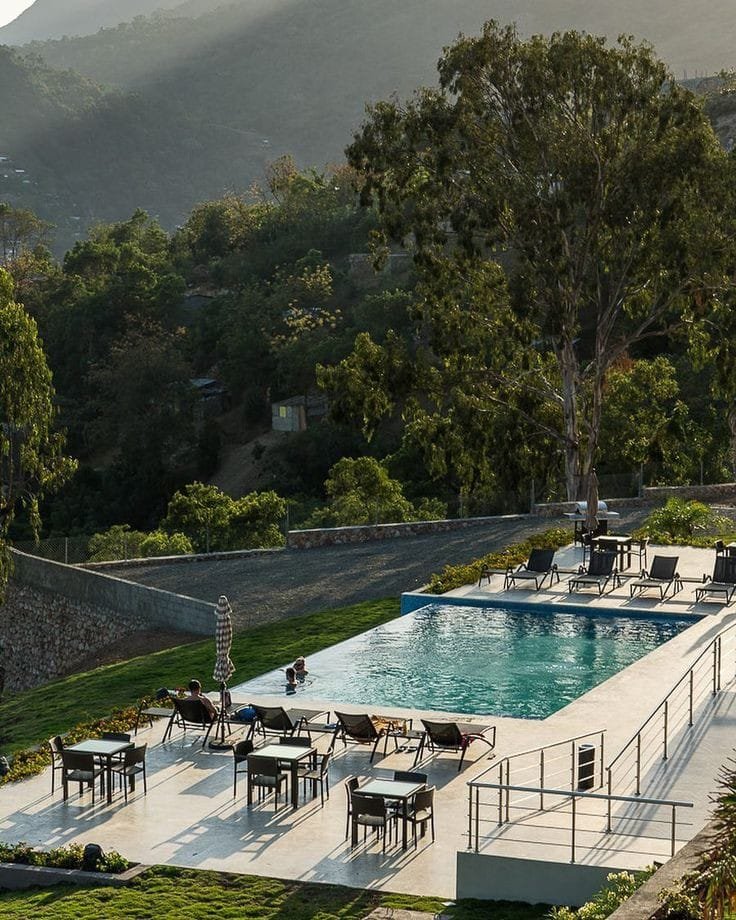
Haïti is home to an incredible diversity of landscapes, which will enchant nature and adventure lovers.
When we talk about the Caribbean, images of white sand beaches, turquoise waters and luxurious resorts often come to mind. But Haïti offers much more than a classic postcard. With its fascinating history, vibrant culture and breathtaking natural landscapes, Haïti stands out as a unique destination. Whether you are a culture vulture, nature enthusiast or curious foodie, Haïti is a treasure trove to explore. Discover why this country deserves a top spot on your travel list.
Read the article in :
Haïti is home to an incredible diversity of landscapes, which will enchant nature and adventure lovers.

La Visite National Park and Macaya Park offer unforgettable hikes in the heart of Haitian biodiversity. With its mountain peaks, tropical forests and waterfalls, Haïti is a dream for hikers and nature photographers.

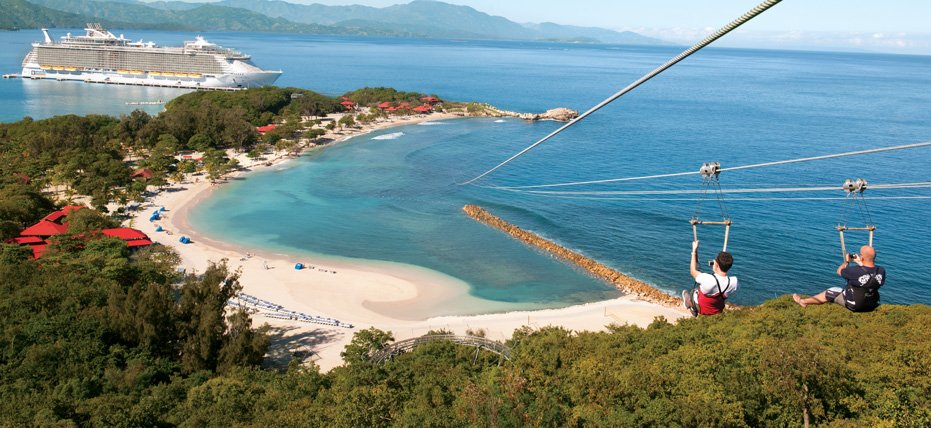
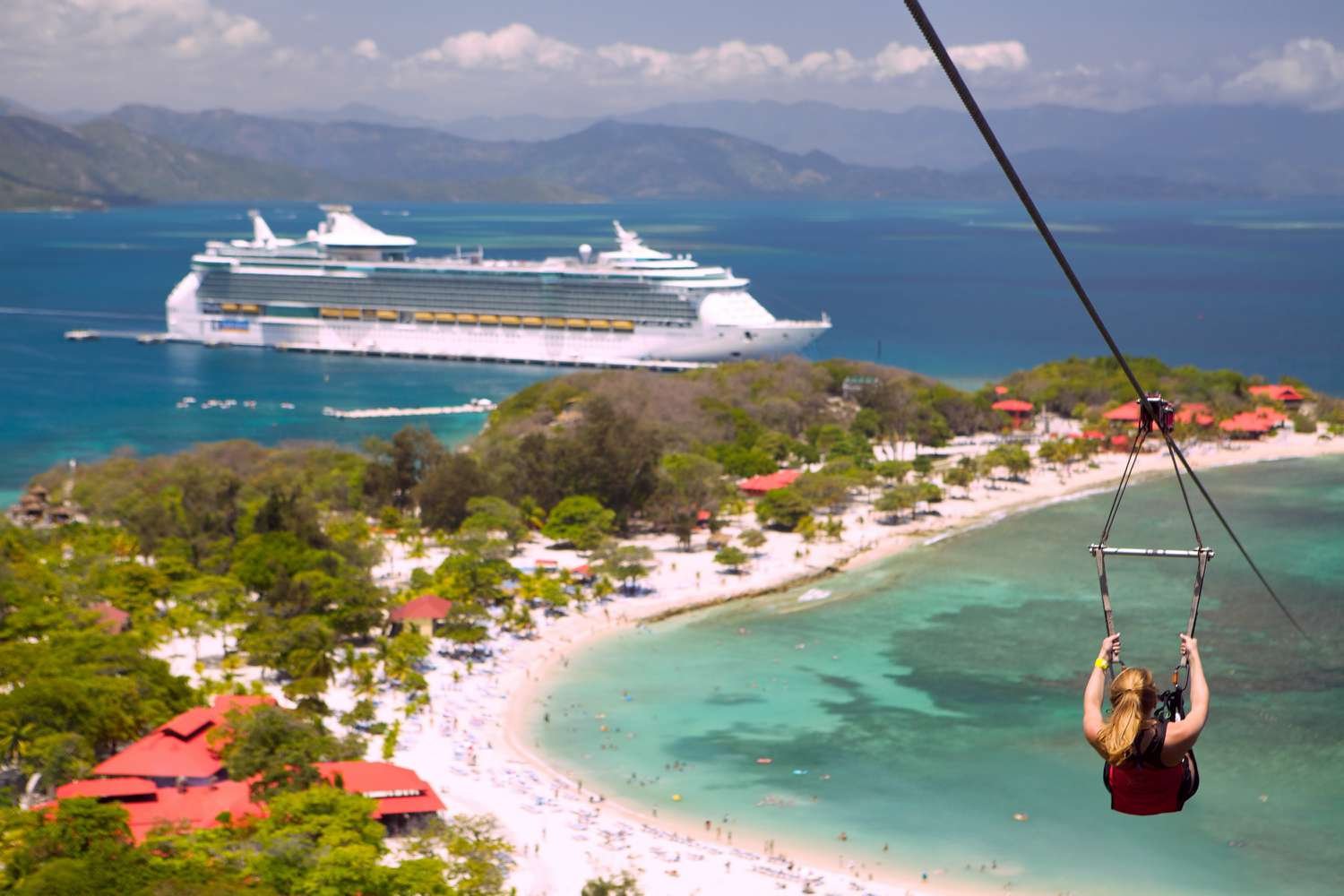
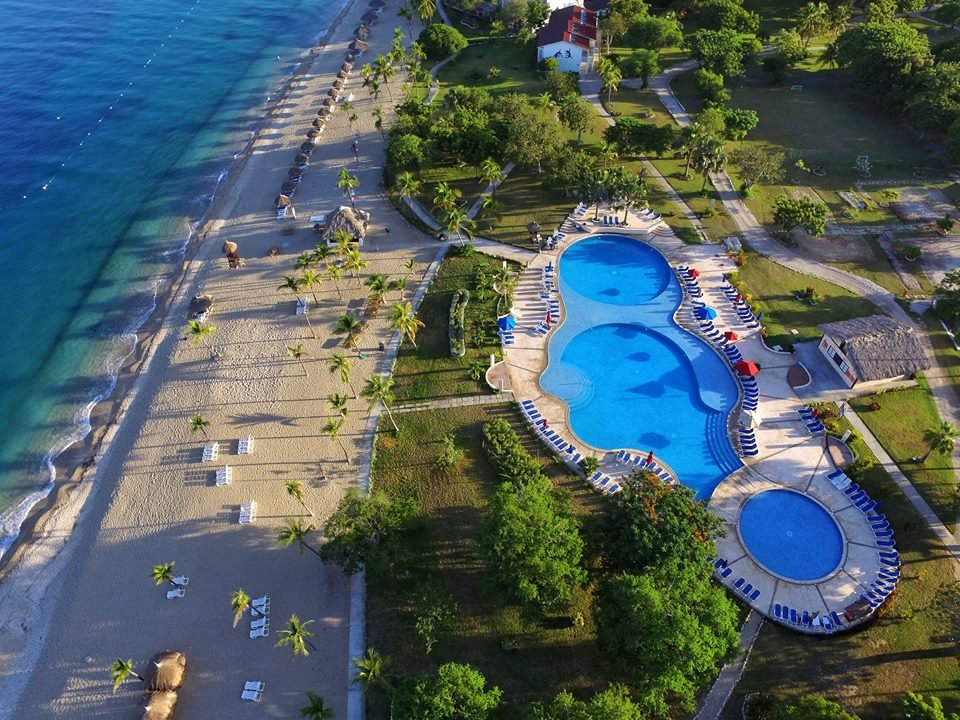
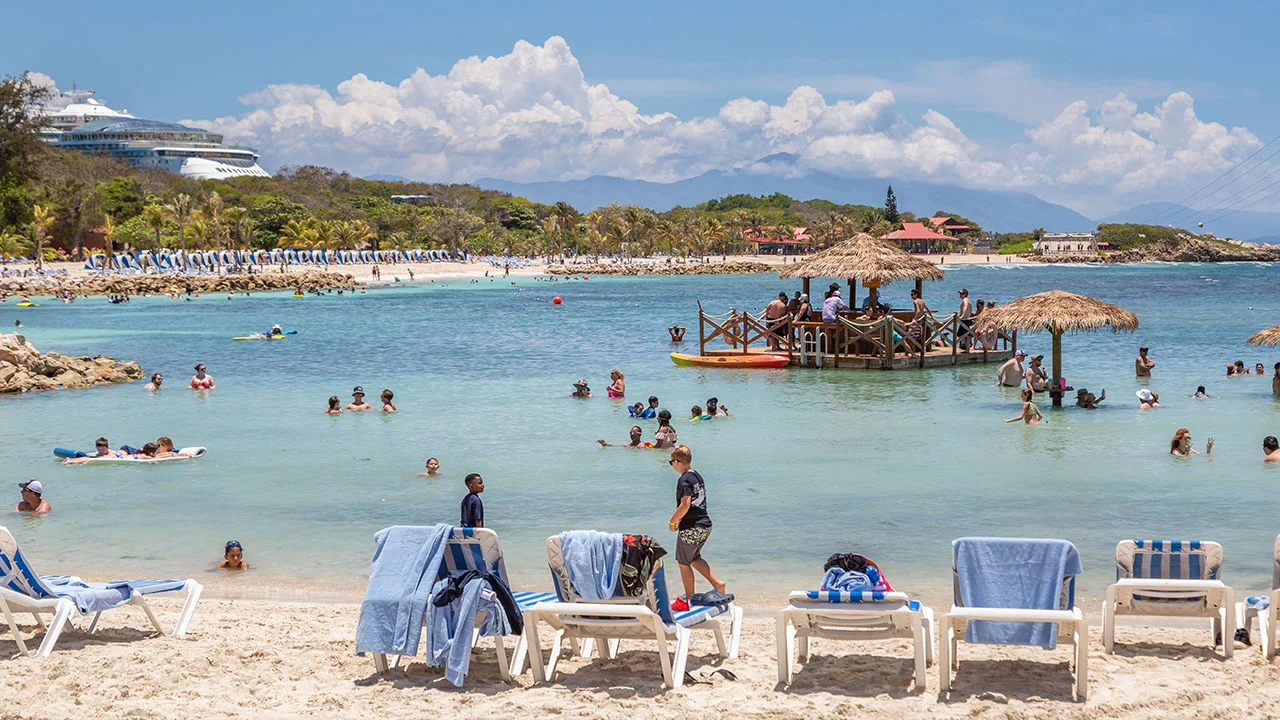
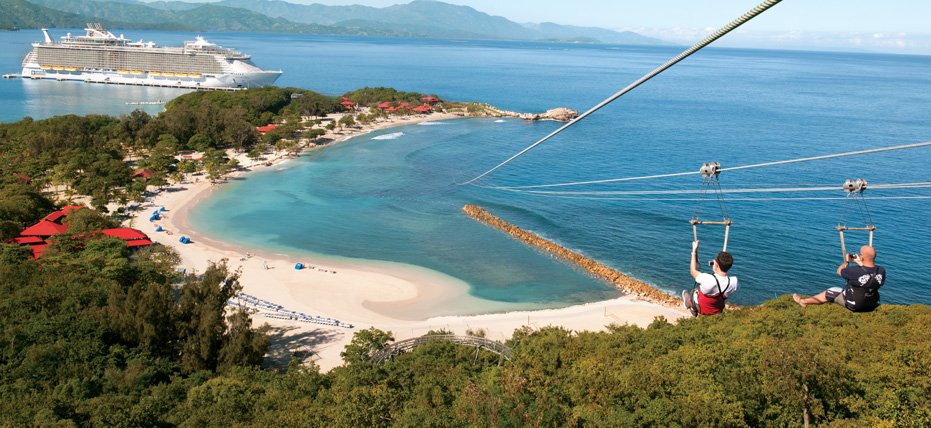
Haïti has beaches worthy of the most beautiful seaside destinations. Labadee and Cormier Plage are perfect places to enjoy a sunny day. Gonâve Island and Île-à-Vache are also ideal spots to escape far from it all.

The Marie Jeanne cave and the Saut-Mathurine waterfalls fascinate adventurers and add a touch of mystery to the exploration of the country.

Haïti is the first black country to have conquered its independence in 1804, an event that marked world history.

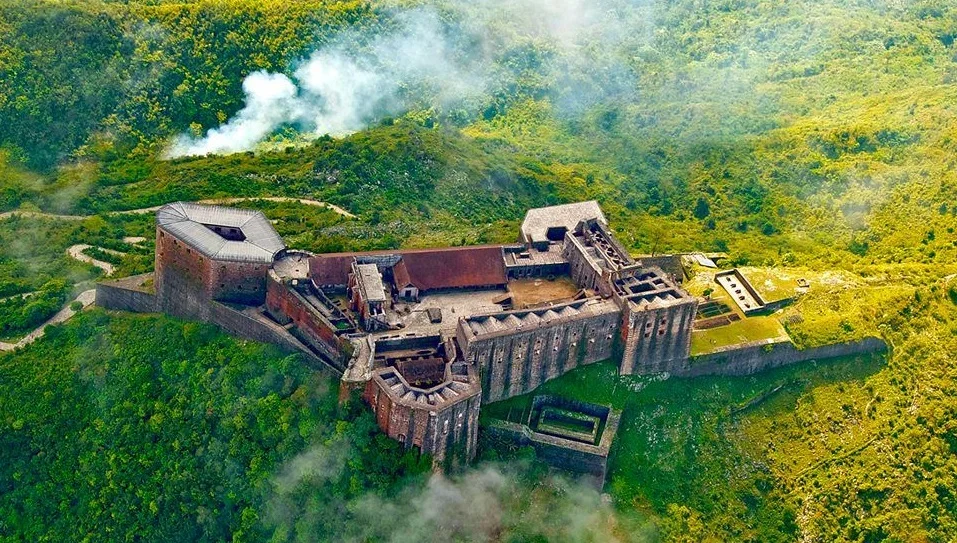
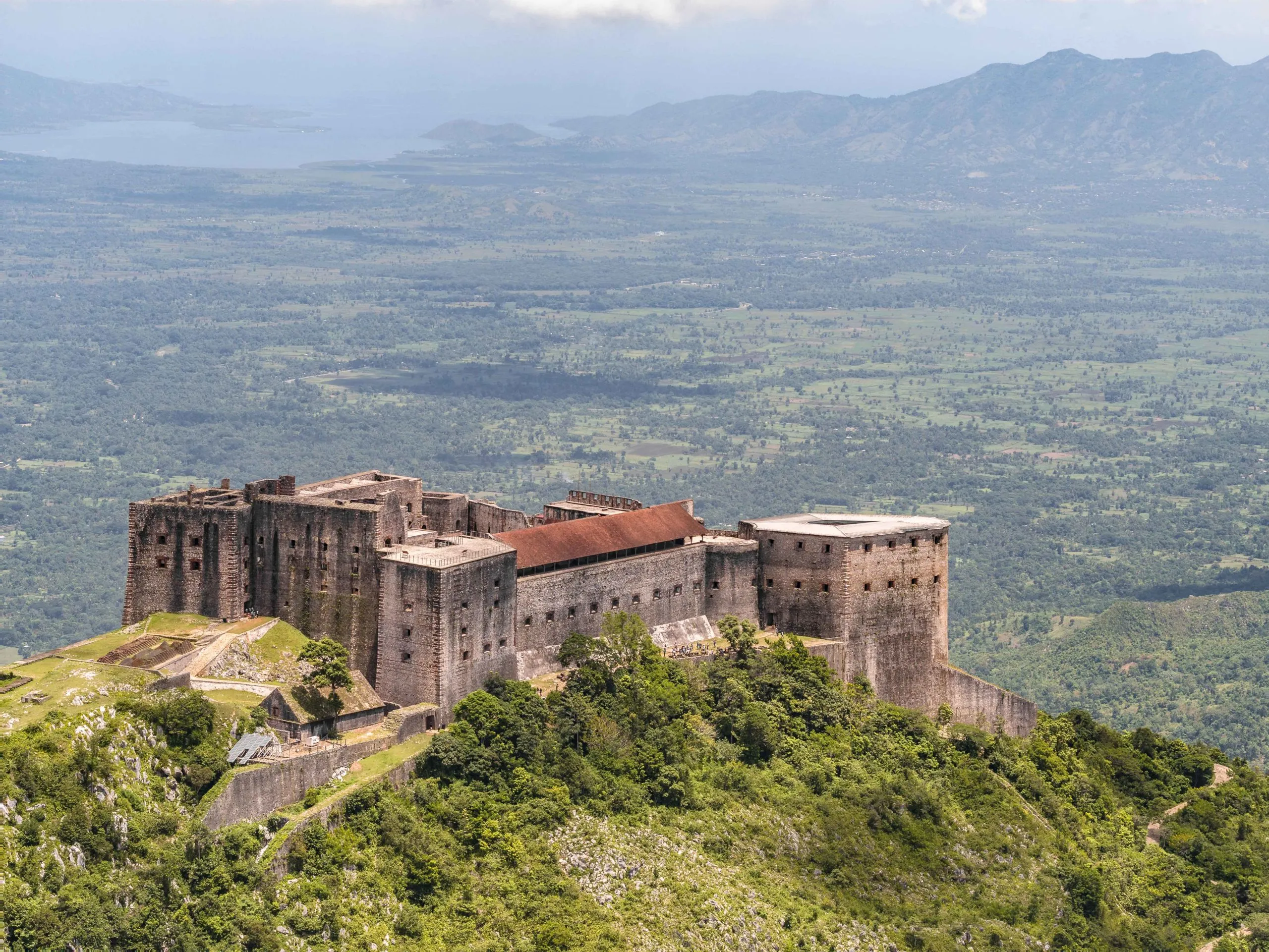
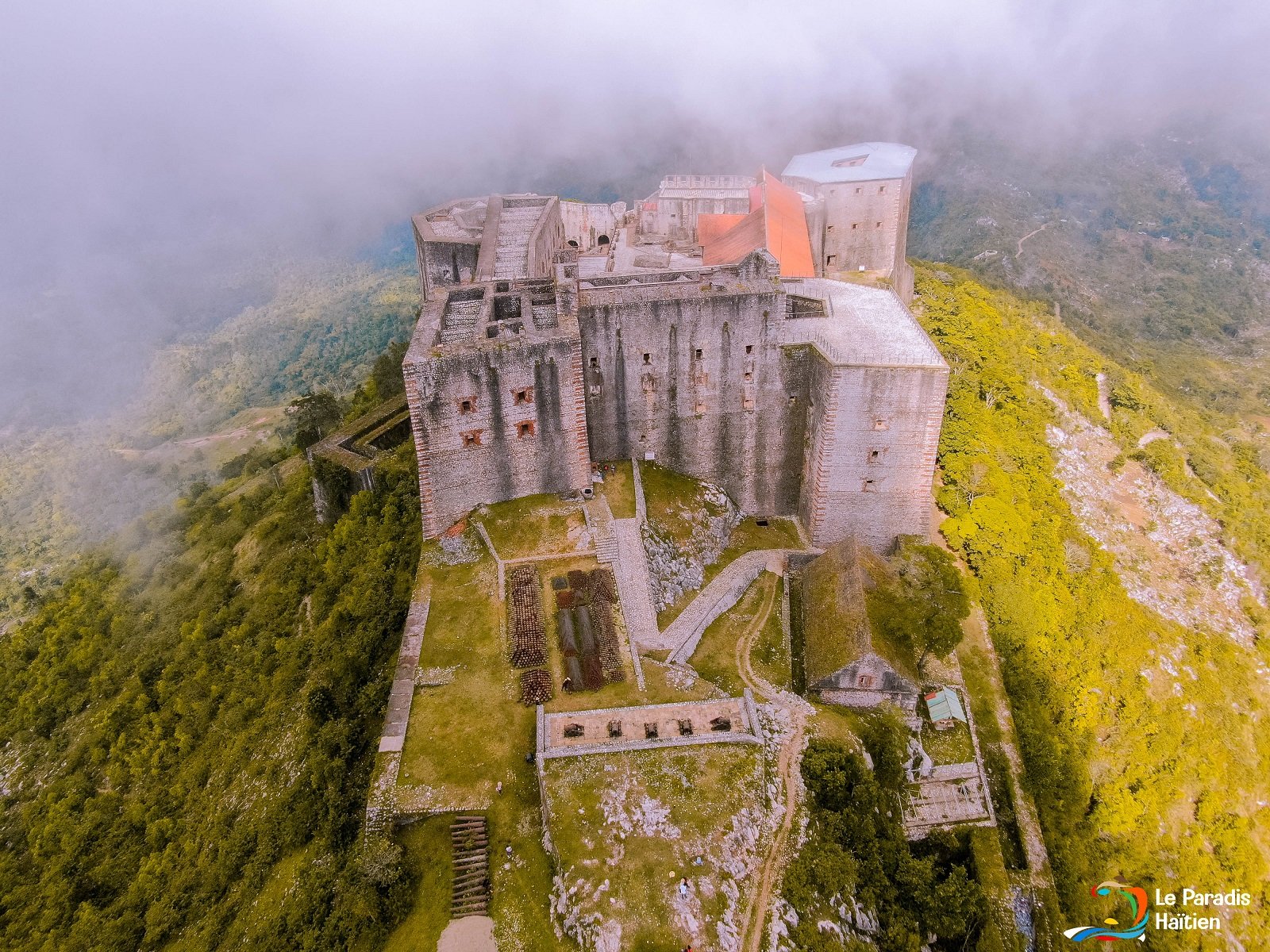
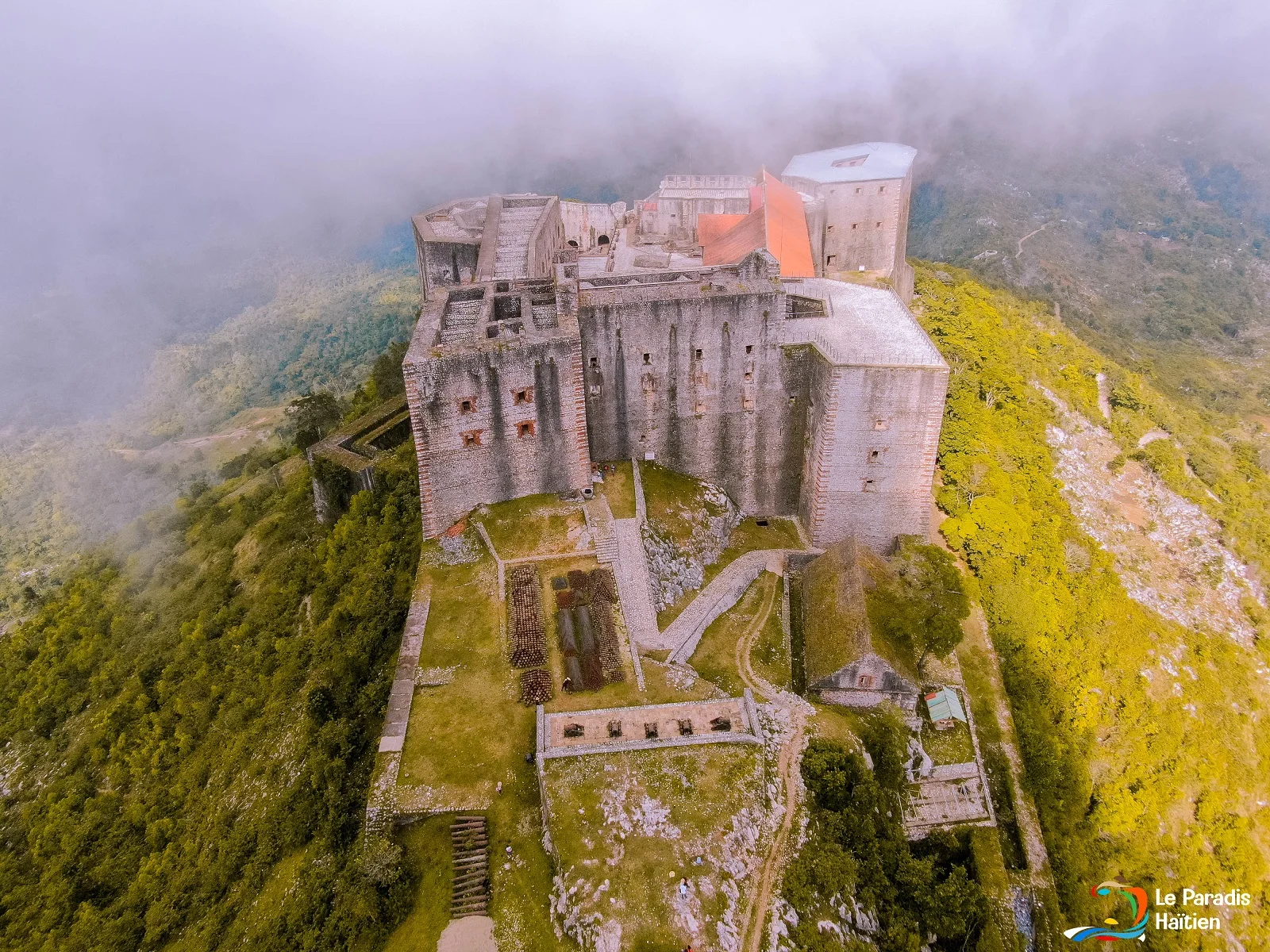
Located in the North, the Citadelle is a masterpiece of engineering and a symbol of freedom. Classified as a UNESCO World Heritage Site, it offers a breathtaking panoramic view and a dive into the history of the Haitian struggle for independence.

This palace is another testament to the grandeur of the post-colonial era. Located in Milot, it offers visitors a fascinating glimpse into the cultural richness of Haïti in the early 19th century.

Haïti is renowned for its vibrant culture and deep-rooted traditions.

The country hosts unique cultural events, such as Carnival with its artisanal costumes and artistic performances. The rara festivals, with their captivating rhythms, are also a captivating spectacle for any visitor.

Renowned worldwide, Haitian crafts are rich in color and creativity. From naive paintings to metal sculptures, each piece tells a story of resilience and cultural pride.

Haitian cuisine is a savory blend of African, French, and Creole influences.

Sample local delicacies like griot (marinated and fried pork), diri ak djon djon (rice with black mushrooms), and lalo (a dish made from local spinach). Each dish is prepared with unique spices that tantalize the taste buds.

In addition to Haitian rum, renowned for its quality, don’t miss clairin, a traditional spirit, and jus de corossol, a refreshing drink made from soursop fruit.
To learn more about Haitian cuisine, check out this article: https://haitiwonderland.com/haiti/cuisine/les-delices-de-la-cuisine-haitienne--20-plats-incontournables/24

Haïti is much more than a tourist destination, it is an immersion in a rich culture and an intense history. By visiting Haiti, you are also helping to encourage sustainable and responsible tourism, allowing local communities to thrive while preserving the wonders of the country. Don’t miss the opportunity to discover such a fascinating country, where every corner reveals a new treasure to explore.
Ready to Go? Haïti Awaits You!

Facebook : https://www.facebook.com/haitiwonderland
Youtube : https://www.youtube.com/@haitiwonderland
Instagram : https://www.instagram.com/haitiwonderland/
Twitter : https://twitter.com/haitiwonderland
Linkedin : https://www.linkedin.com/in/haitiwonderland/
Melchie Daëlle Dumornay is a professional Haitian footballer who plays in the first division of the French women’s league. She was born in Haiti, in a mid-sized town called Mirebalais, on August 17, 2003. At just 21 years old, she has become the only Haitian personality, regardless of gender or category, to be nominated among the 30 candidates for the prestigious individual award that is the France Football Ballon d’Or. Indeed, the 21-year-old finds herself — unsurprisingly — on the shortlist for the 2025 Ballon d’Or, alongside some of the biggest names in world football, after an exceptional season both individually — scoring 24 goals and providing 10 assists in just 31 matches — and collectively. She reached the semi-finals of the UEFA Women’s Champions League (where she was named best player of the 2024-2025 season) and won the French league title with her Lyon teammates.
After several months of suspension, cruises to Labadie, one of Haiti’s most popular tourist destinations, are expected to resume in October 2024. Frantz Duval, a key figure in Haitian journalism, recently shared this encouraging news on the X platform (formerly Twitter). This announcement, confirmed by Le Nouvelliste via a source close to the company managing the Labadie wharf, ends a period of uncertainty marked by months of interruption of tourist activities in this jewel.
Subscribe to our newsletter to stay informed of all our activities and news on Haiti.
Moïse François is a young Haitian journalist, poet and law student at the State University of Haiti. He was born on November 13, 1999 in Port-au-Prince and is the eldest of a family of three children. He grew up between his hometown and Camp-Perrin, a small town in southern Haiti. Moïse François is a young Haitian with a remarkable academic and professional background, showing a deep passion for literature, journalism, social commitment and justice. He embodies this type of dynamic young person that the thirst of any great human society demands. Moïse claims above all to be a surveyor of the countries of his read books. "Literature, the kind that sets free, is my first home. I frequented Prague under the Soviet occupation of Milan Kundera, thanks to its literature, much better than some corners of Port-au-Prince, my hometown, largely plunged into horror and constant fear," he says. His great literary culture has largely contributed to his open-mindedness, his survival in this country and his impressive creativity.
Cap-Haïtien is about to vibrate to the rhythm of innovation, creativity, and Haitian gastronomy! The 3rd edition of OKAP Flavors, organized by Sakapfet OKAP, will be held on Saturday, August 17, 2025, at the Foyer d’Initiative et de Créativité (FIC), known as Kay Frè a, rue 18L in Cap-Haïtien. This flagship event highlights local entrepreneurship, the cultural and culinary richness of the Grand Nord region, while creating economic opportunities for the region.

First black nation to free itself from slavery and gain independence from France in 1804 and influenced other liberation movements around the world, inspiring struggles for freedom and equality.

Haïti is blessed with spectacular natural landscapes, including white sand beaches, mountains and rich biodiversity.

Haïti has a rich historical heritage, including sites like the Citadelle Laferrière and the Sans-Souci Palace, listed as UNESCO World Heritage Sites.

Haïti has a rich and diverse culture, influenced by African, European and indigenous elements. Haitian music, dance, art and cuisine are celebrated around the world.