contact@haitiwonderland.com+509 36184317

Discover

Shopping Cart

Haiti: History, Culture and Resilience of a Unique Caribbean Nation

Haiti: History, Culture and Resilience of a Unique Caribbean Nation

Haiti, located in the Caribbean, occupies the western third of the island of Hispaniola, which it shares with the Dominican Republic to the east. Its capital, Port-au-Prince, is the political, economic and cultural heart of the country. With an area of ​​approximately 27,750 km², Haïti is home to nearly 12 million people, making it one of the most densely populated countries in the Caribbean region. This island nation’s rich and tumultuous history, unique cultural heritage and resilience in the face of challenges make it a fascinating and inspiring country.

Haïti
Haïti
Haïti

History: First Independent Black State

Haïti is distinguished by its history of struggle for freedom and equality. During the colonial era, it was called "Saint-Domingue" under French rule and became one of the most prosperous colonies thanks to sugar, coffee and indigo plantations. However, this wealth was based on the cruel exploitation of African slaves.

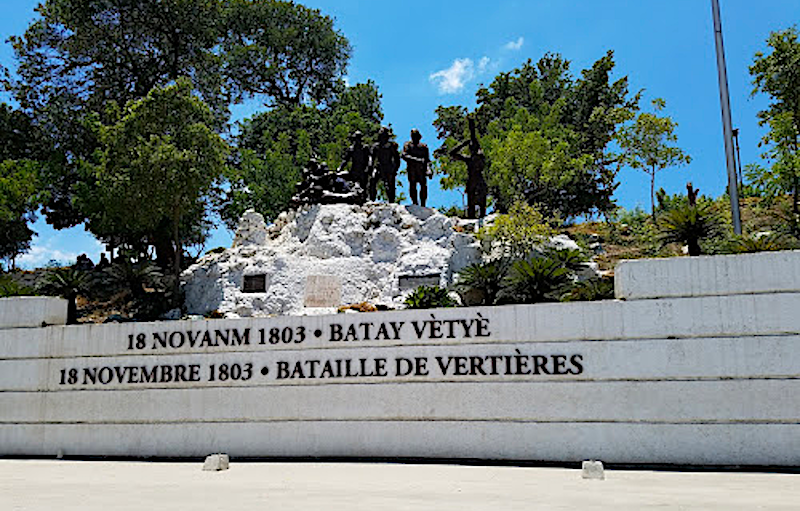
The Haitian Revolution, which began in 1791, was a direct response to this oppression. Led by leaders such as Toussaint Louverture, Jean-Jacques Dessalines and Henri Christophe, the slaves rebelled against the French colonists. In 1804, after years of war, Haïti declared its independence, becoming the first independent black state and the first country in the Americas to abolish slavery. This historic victory resonated internationally, influencing abolitionist and anti-colonialist movements around the world.

Haïti
Haïti
Haïti

Culture and Identity: A Unique Blend

Haitian culture is a rich blend of African, French, Spanish, and Native American influences. Haitian Creole, the national language, and French, the official language, are the two languages ​​spoken in the country. Religion is also a reflection of this cultural diversity: although the majority of the population is Catholic, Voodoo, a religion of African origin, is widely practiced and is a pillar of Haitian identity. This ancestral cult plays a major role in daily life and is celebrated through rituals, ceremonies, and festivals.

The arts occupy a central place in Haitian culture. Music, especially the compas and the rara, is deeply rooted in the daily lives of the Haitian people. Haitian paintings, famous for their bright colors and naïve style, are a testament to the creativity and unique vision of Haitian artists. Haitian literature is also rich, with internationally renowned authors such as Jacques Roumain, René Depestre and Dany Laferrière, who have helped to make their country’s voice and challenges known.

Haïti
Haïti
Haïti

Environment and Nature

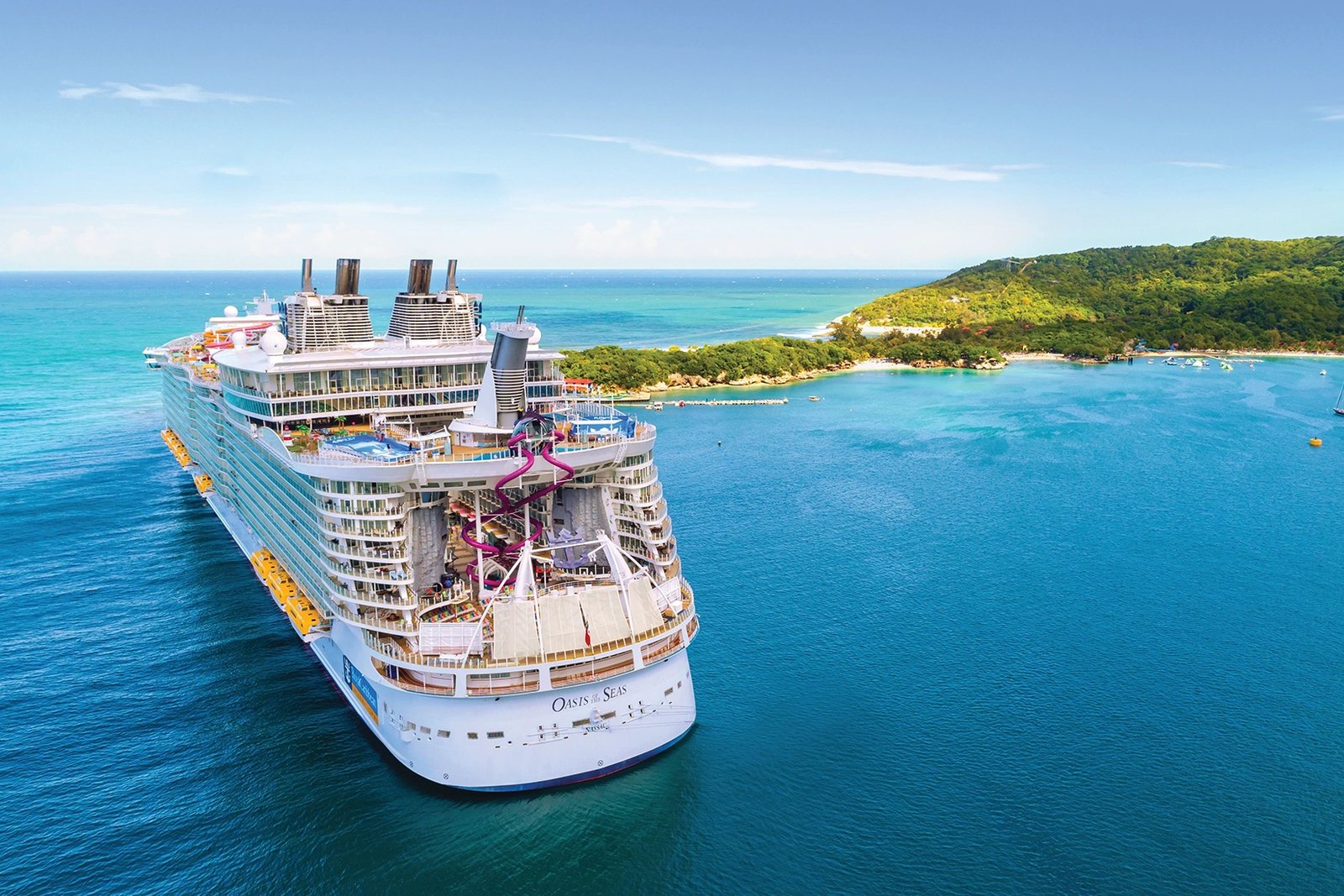
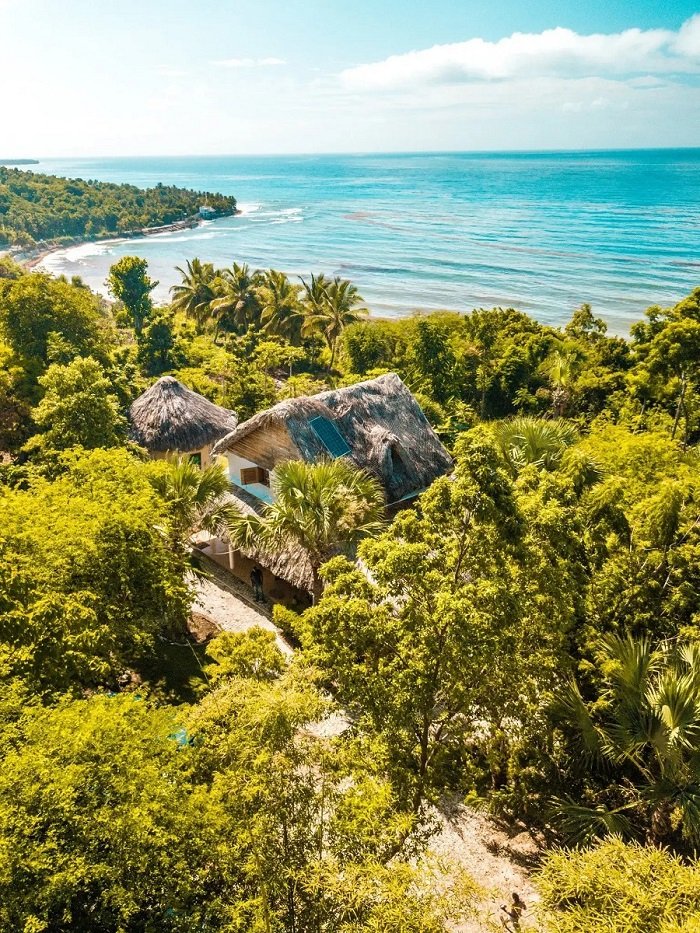
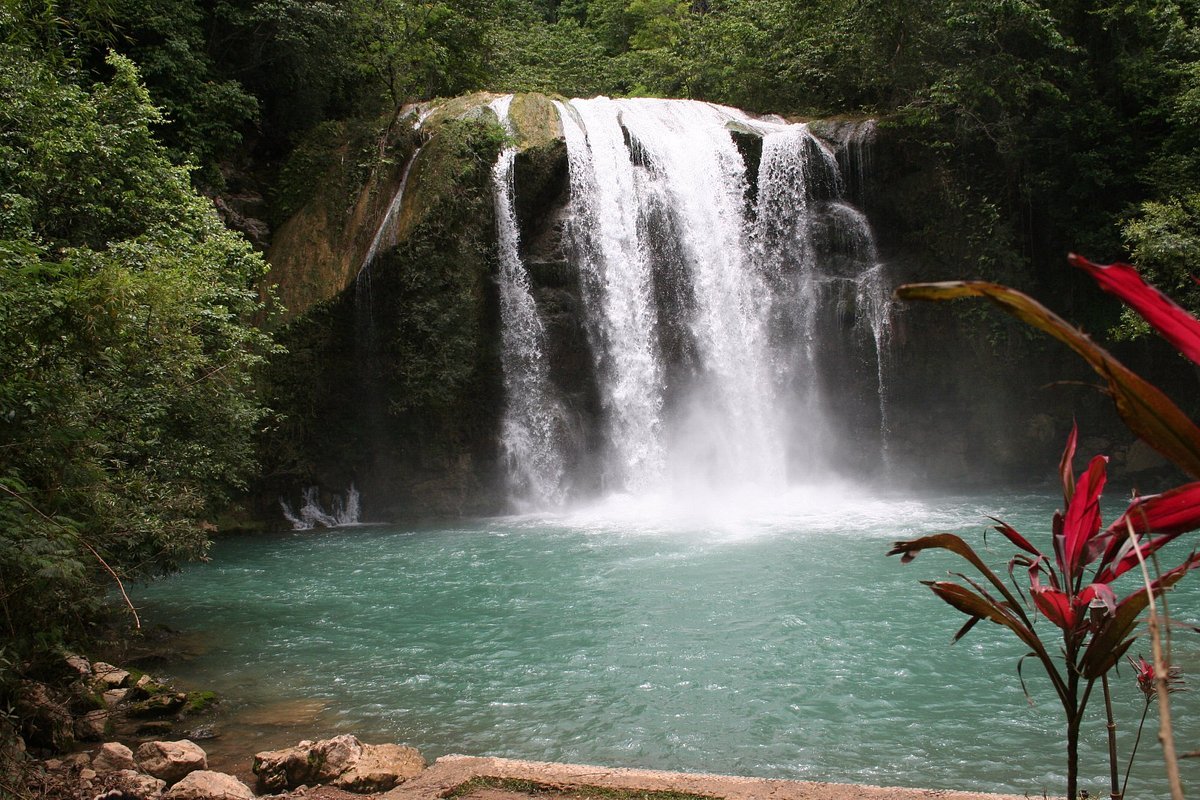
Haïti is known for its mountainous landscapes, earning it the nickname "The Pearl of the Antilles". The country has an impressive biodiversity with tropical forests, white sand beaches, rivers and waterfalls.

Haïti
Haïti
Haïti

Economy: Challenges and Opportunities

The Haitian economy is mainly based on agriculture, although this sector is weakened by infrastructure problems, traditional cultivation techniques and natural disasters. The main agricultural products are coffee, cocoa, sugar cane, rice and tropical fruits. In addition to agriculture, Haïti also has a textile industry that supplies some of its exports, particularly to the United States.

Political instability and corruption have often hampered the country’s economic development. In addition, the Haitian diaspora, particularly large in the United States, Canada, and France, plays a vital role in sending remittances that support many families and contribute significantly to the country’s gross domestic product (GDP).

Haïti
Haïti
Haïti

Haïti Today: Hope and Resilience

Despite its challenges, the Haitian people are recognized for their resilience and determination. For several decades, Haïti has received significant international aid to support its development, particularly in the areas of education, health, and infrastructure. Non-governmental organizations (NGOs), UN agencies, and various international partners work to improve the living conditions of Haitians.

Haitian youth, in particular, are a source of hope for the country. More and more young Haitians are getting involved in local development projects, environmental protection and strengthening civil society. This generation aspires to a better future and is ambitious to make Haïti a more stable, prosperous and internationally respected country.

Haïti is much more than a country marked by difficulties. It is a land of history, culture and courage. From the Haitian Revolution, a symbol of freedom and emancipation, to the art and literature that reveal the soul of its people, Haïti embodies a rich heritage that the world cannot ignore. Its inhabitants, in the face of incessant challenges, continue to build their future with resilience, dignity and a pride that testifies to their deep attachment to their nation and their traditions.

Share
About the Author
Appolon Guy Alain
Appolon Guy Alain
Appolon Guy Alain

Full Stack Developer, Créatif, expérimenté, passionné des nouvelles technologies et de l’art.

See other articles from Appolon Guy Alain
Leave a comment

Recently Posted

Guédés: When Haïti celebrates its ancestors with color and fervor

Every November 1st and 2nd, Haïti comes alive with the colors black and purple to celebrate the Guédés, spirits venerated in the voodoo religion, symbols of a powerful bond between the living and the dead. Fascinating, indomitable and provocative, the Guédés form a true family in the pantheon of Haitian voodoo, where they are respected for their role as spiritual guides of the deceased to the afterlife. Led by iconic figures such as the legendary Baron Samedi and his companion Grann Brigitte, the Guédés embody the paradoxes of life and death. Each Baron has a unique personality: Baron Cimetière, Baron Kriminel, and Baron La Croix are the guardians of the souls that wander on the borders of the world of the dead. Together, they form a powerful and somewhat frightening presence, but one that is deeply rooted in Haitian culture. The Guédés are not like other voodoo spirits; they demonstrate their fearlessness in a spectacular way. Accustomed to death, they are fearless and are provocative: they eat glass, raw peppers, and coat their sensitive parts with rum and pepper. These gestures mark their indifference to danger and remind us that they have already known earthly life. They are thus psychopomps – these beings who lead the souls of the dead – and act as bridges between the world of the living and that of the dead. Some Guédés, like Guédé Nibo, wear black, purple, and white clothing, each with unique characteristics. They are many and varied: Guédé Fouillé, Guédé Loraj, Papa Guédé, and many others. These are the spirits who, each year, remind Haitians of the importance of remembering and honoring the deceased. The cult of the Guédés is not only religious; it is also cultural and historical. According to tradition, their spiritual territory, or “Fètomè” – nicknamed the “Country without Hats” – is a place where the souls of ancestors reside. According to stories, the origins of this cult go back to the Abomey plateau, the ancient capital of the kingdom of Dahomey, in Africa, where death and life coexist in a form of symbiosis. This celebration in Haïti even finds echoes in ancient history. The Romans also honored their dead with the “Fête des Lémuria”, which took place in February, to ward off spirits and restore peace between the world of the living and that of the deceased. For Haitians, honoring the Guédés is about accepting death as a part of life and celebrating the invisible bonds that unite us with those who have left us. It is also a way of resisting, because life, despite its challenges, must be celebrated in all its complexity and depth.

Newsletter

Subscribe to our newsletter to stay informed of all our activities and news on Haiti.

A Call for Online Media Awareness to improve the image of Haïti on the internet

A simple Google search for "Haïti" will leave you with a bitter taste, as you will mostly discover degrading images that fail to pay homage to Haïti’s natural beauty, rich history, and vibrant culture. This reality stems from a multitude of online media outlets that, in their relentless quest for visibility and profit, disseminate images that do not reflect the true essence of Haïti. It is time to challenge this trend and raise awareness among Haïtian online media of the profound impact of their editorial choices on the image of their own country. b~The Consequences of the Dissemination of Degrading Images:~b Sharing degrading images of Haïti contributes to perpetuating prejudices and reinforcing negative stereotypes associated with the country. This can have serious consequences for tourism, foreign investment, and even the national pride of Haïtians. Furthermore, it creates a distortion of reality, masking the many positive and inspiring aspects of Haïti. b~A Call for Editorial Responsibility:~b It is imperative that Haïtian online media take editorial responsibility in ensuring that the images and stories they broadcast reflect the diversity and richness of Haïti. Rather than focusing only on the negative aspects, they should highlight the successes, positive initiatives, and exceptional contributions of Haïtians to global society. b~Promote a Balanced Image:~b Haïti’s diversity, both culturally and socially, deserves to be celebrated. Haïtian online media have the opportunity to play a key role in promoting a more balanced image of the country by highlighting its successes, its innovations and its rich history. This will not only help educate the global public, but also inspire pride and confidence in Haïtians themselves. It is time for Haïtian online media to realize their power as opinion shapers and actively contribute to transforming Haïti’s image. By choosing to share balanced and positive stories, they can play a vital role in building a more accurate and respectful perception of this remarkable country. It is a call for editorial responsibility, sensitivity and national pride, in order to restore Haïti to its rightful place on the world stage.

Recently Posted

History

History

First black nation to free itself from slavery and gain independence from France in 1804 and influenced other liberation movements around the world, inspiring struggles for freedom and equality.

Natural beauty

Natural beauty

Haïti is blessed with spectacular natural landscapes, including white sand beaches, mountains and rich biodiversity.

Heritage

Heritage

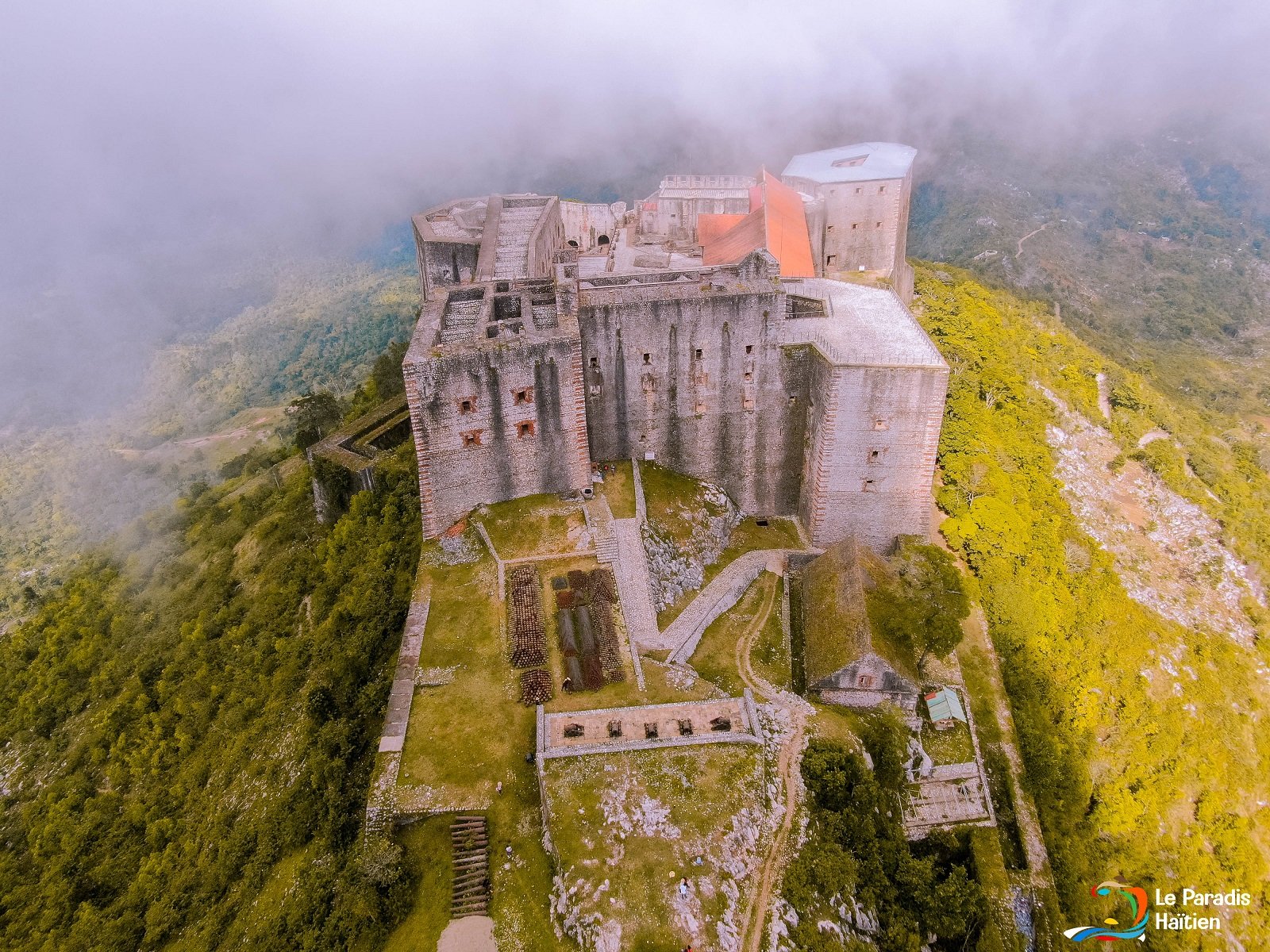
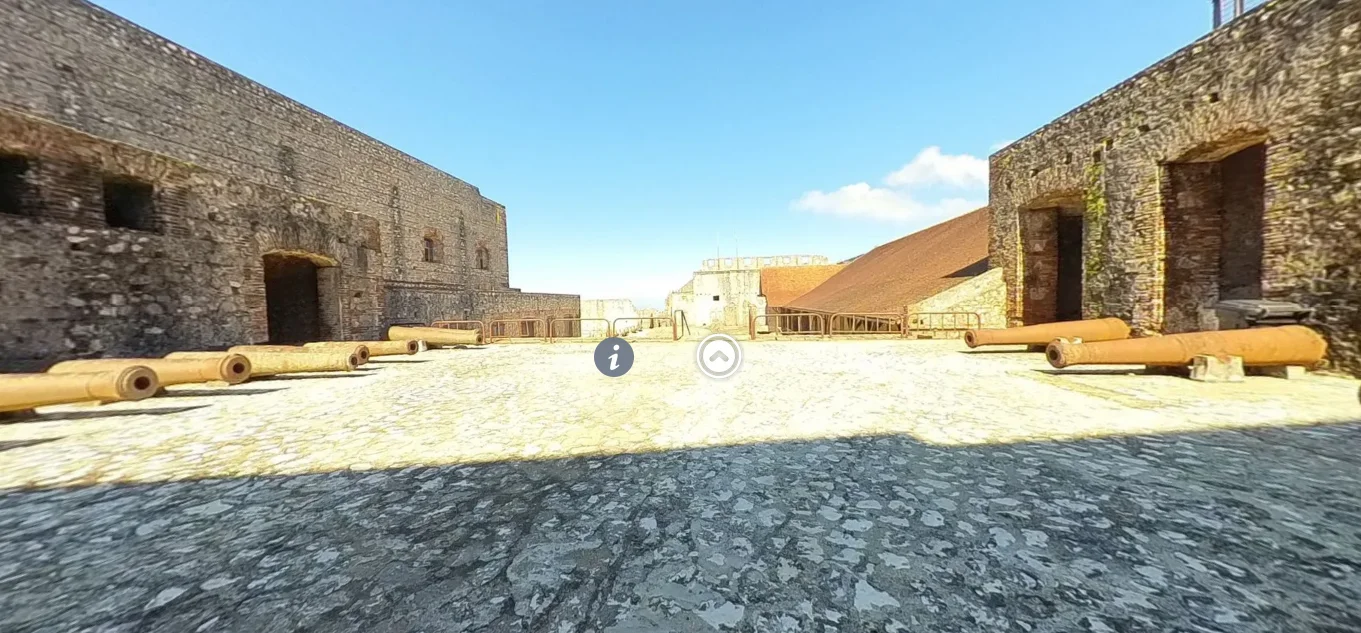
Haïti has a rich historical heritage, including sites like the Citadelle Laferrière and the Sans-Souci Palace, listed as UNESCO World Heritage Sites.

Culture

Culture

Haïti has a rich and diverse culture, influenced by African, European and indigenous elements. Haitian music, dance, art and cuisine are celebrated around the world.

  • +
    • Post