contact@haitiwonderland.com+509 36184317

Discover

Shopping Cart

The Delights of Haitian Cuisine: 20 Essential Dishes

The Delights of Haitian Cuisine: 20 Essential Dishes

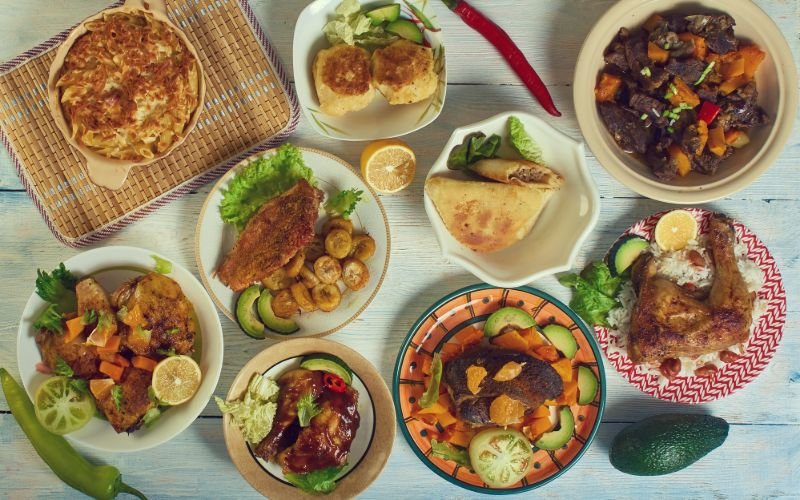
Haitian cuisine is often considered one of the best in the world, thanks to its spicy flavors and tasty dishes. It reflects the rich history and culture of the country, mixing African, European and Caribbean influences. We invite you to explore 20 must-try Haitian delights, whether it’s breakfast, lunch or dinner.

Haïti : Diri blan, sòs pwa, legim

1. Diri blan, sòs pwa, legim

“Mèt afè a”, it is often considered the dish most appreciated by Haitians.
This Haitian classic consists of white rice, pea puree, and stewed vegetables. Flavored with traditional spices, this dish is balanced, nutritious and delicious, often served on special occasions.

See as well

Haïti : Pate kòde
Haïti : Pate kòde
Haïti : Pate kòde

2. Pate kòde

Impossible to walk the Haitian streets without encountering a “Pate Kòde” seller. This traditional delicacy, found in alleyways as well as in upscale restaurants, is a tasty blend of dough, spices, and meat, often chicken. Whichever flavor you choose, each bite is an explosion of authentic tastes.

Haïti : Soup joumou
Haïti : Soup joumou
Haïti : Soup joumou

3. Soup joumou

“Soup Joumou” is emblematic in Haiti, celebrating the country’s independence on January 1st. Prepared with giraumon, it symbolizes the freedom acquired in 1804 and recalls the ban on this ingredient for slaves under the French colonial regime.

Haïti : Diri Shela
Haïti : Diri Shela
Haïti : Diri Shela

4. Diri Shela, Poul Fri

Haitian Diri Shella Rice is often accompanied by fried chicken sauce, creating a pure delicacy enjoyed during the festivities.

Haïti : Diri a djondjon

5. Diri a djondjon, sòs poul

“Diri ak Djondjon” is a popular dish with its black rice thanks to the “djondjon” mushroom. Paired with a flavorful chicken sauce, it’s a unique dining experience.

Haïti : Tonmtonm Ak sòs Kalalou

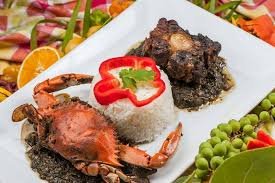
6. Tonmtonm Ak sòs Kalalou

A traditional dish from the town of Jérémie, “Tonmtonm Ak sòs Kalalou” combines breadfruit with a kalalou, beef, chicken or crab gumbo sauce.

Haïti : Griyo
Haïti : Griyo
Haïti : Griyo

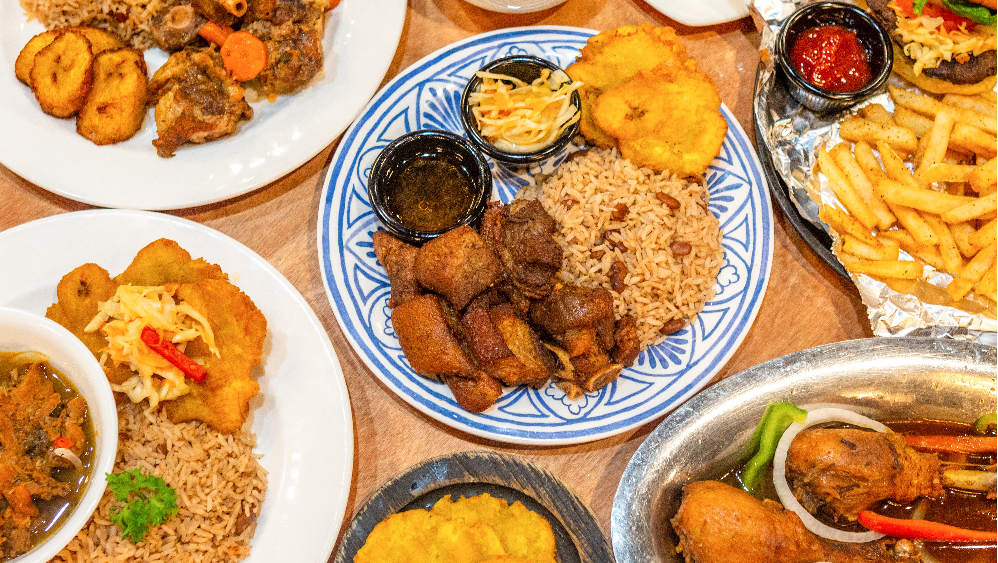
7. Griyo

Haitian griot is a popular traditional dish, consisting of pieces of pork marinated, boiled and fried to a crispy texture on the outside and tender on the inside.

Haïti : Mayi sòs pwa nwa

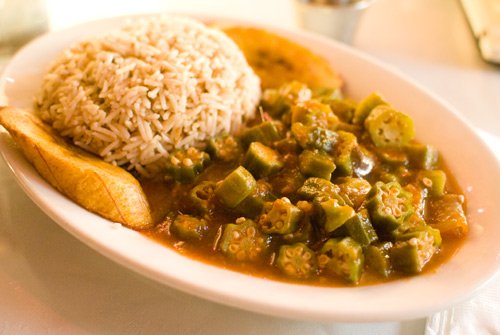
8. Mayi sòs pwa, sòs vyann ak Kalalou

A preparation made from corn, black beans and beef or chicken, accompanied by kalalou okra, offering a unique delicacy.

Haïti : Ragou
Haïti : Ragou
Haïti : Ragou

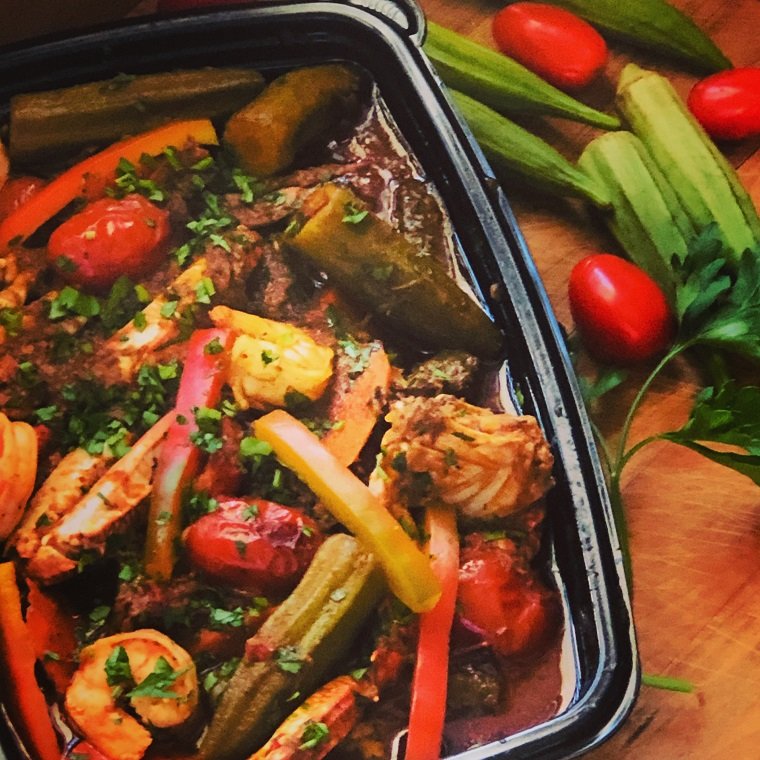
9. Ragou

A classic Haitian stew made with chunks of meat, vegetables and spices, creating a perfect symphony of flavors.

Haïti : Bouyon Tèt Kabrit

10. Bouyon Tèt Kabrit

This traditional goat’s head soup is simmered with herbs, root vegetables and plantains, providing a hearty dish for special occasions.

Haïti : Bannann a pwason

11. Bannann a pwason

A balanced and energetic dish based on banana and boiled fish sauce, accompanied by salad, constituting a pure delight.

Haïti : Fritay
Haïti : Fritay
Haïti : Fritay

12. Fritay

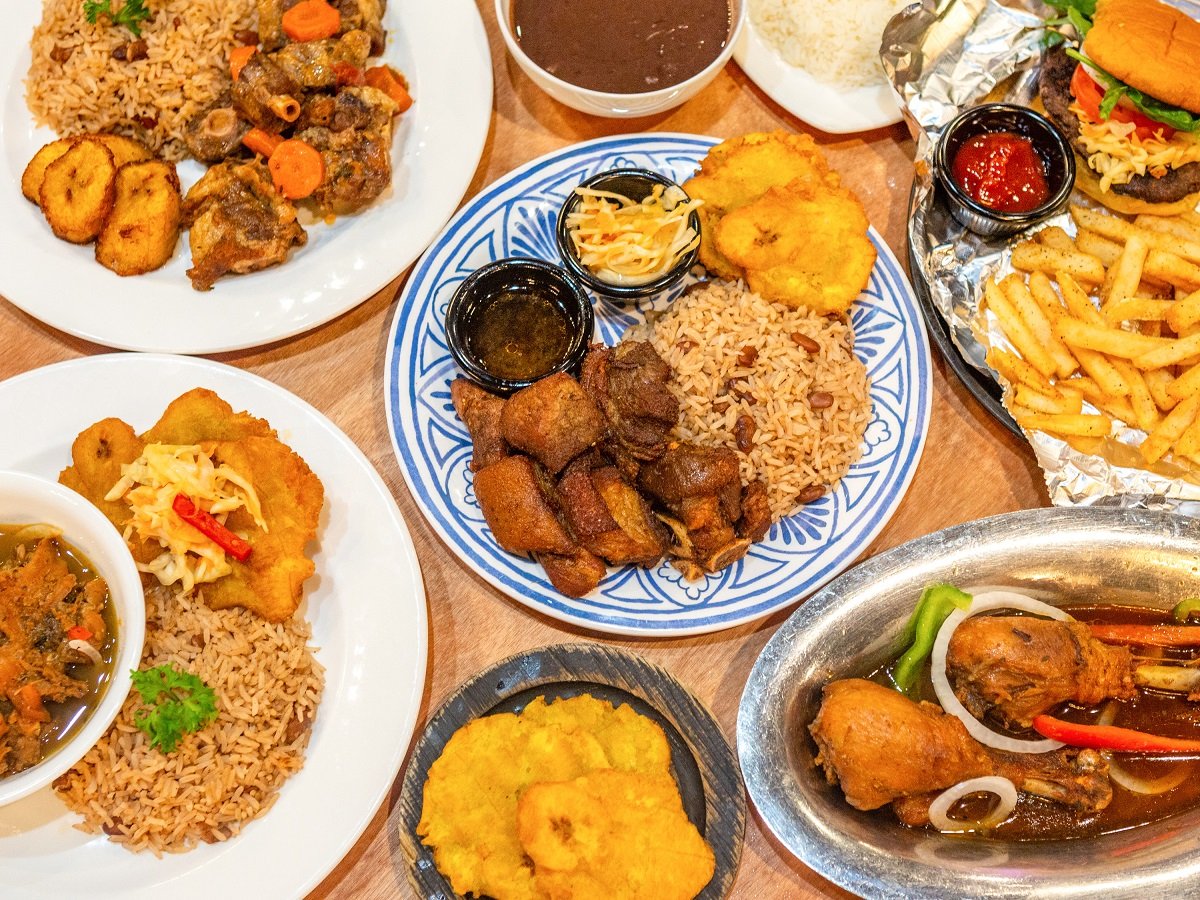
One of the most popular street foods, fritay, offers a variety of fried foods such as plantains, pate kòde, accra, pickle and others.

Haïti : Lalo
Haïti : Lalo
Haïti : Lalo

13. Lalo

Haitian lalo, made from lalo leaves, is accompanied by white rice, providing a delicious experience.

Haïti : Poulet Aux Noix

14. Poulet Aux Noix

This fusion of chicken in sauce and cashew nuts offers an extraordinary taste, particularly appreciated in the north of the country.

Haïti : Tchaka
Haïti : Tchaka
Haïti : Tchaka

15. Tchaka

Originally from Haiti, tchaka is a stew of red beans, corn and pork, associated with a festive and family atmosphere.

Haïti : Diri sòs pwa kongo ak sòs poul

16. Diri sòs pwa kongo ak sòs poul

A blend of white rice, beans and chicken sauce, offering a comforting treat, perfect in winter.

Haïti : Pwason Boukannen

17. Pwason Boukannen

Haitian “pwason boukannen”, grilled fish, highlights the freshness of the fish with tasty seasonings.

Haïti : Pen Patat
Haïti : Pen Patat
Haïti : Pen Patat

18. Pen Patat

A classic dessert made with sweet potatoes, bananas, butter, eggs and coconut milk, offering unrivaled sweetness.

Haïti : Boulèt lam
Haïti : Boulèt lam
Haïti : Boulèt lam

19. Boulèt lam

Warm, spicy golden breadfruit croquettes, often served at special events.

Haïti : Salad
Haïti : Salad
Haïti : Salad

20. Salad

A creamy and flavorful beet and potato salad made with potatoes, beets, onions, salt, mayonnaise, spices and sometimes corn and other vegetables.

Explore these Haitian delights for a unique culinary experience, delving into the heart of the gastronomic richness of this magnificent Caribbean country.

Share
About the Author
Appolon Guy Alain
Appolon Guy Alain
Appolon Guy Alain

Full Stack Developer, Créatif, expérimenté, passionné des nouvelles technologies et de l’art.

See other articles from Appolon Guy Alain
Decoste Claufil Godson

C'est vraiment bien et beau le fait de promouvoir notre culture, ou de préférence de rappeler aux haïtiens, nos frères et soeurs que nous avons eu une histoire, une si belle histoire et un si beau paysage. Et nous en sommes très fiers. Merci🔥🔥

January 11, 2024 - 05:48:03 PM
Leave a comment

Recently Posted

Newsletter

Subscribe to our newsletter to stay informed of all our activities and news on Haiti.

Guédés: When Haïti celebrates its ancestors with color and fervor

Every November 1st and 2nd, Haïti comes alive with the colors black and purple to celebrate the Guédés, spirits venerated in the voodoo religion, symbols of a powerful bond between the living and the dead. Fascinating, indomitable and provocative, the Guédés form a true family in the pantheon of Haitian voodoo, where they are respected for their role as spiritual guides of the deceased to the afterlife. Led by iconic figures such as the legendary Baron Samedi and his companion Grann Brigitte, the Guédés embody the paradoxes of life and death. Each Baron has a unique personality: Baron Cimetière, Baron Kriminel, and Baron La Croix are the guardians of the souls that wander on the borders of the world of the dead. Together, they form a powerful and somewhat frightening presence, but one that is deeply rooted in Haitian culture. The Guédés are not like other voodoo spirits; they demonstrate their fearlessness in a spectacular way. Accustomed to death, they are fearless and are provocative: they eat glass, raw peppers, and coat their sensitive parts with rum and pepper. These gestures mark their indifference to danger and remind us that they have already known earthly life. They are thus psychopomps – these beings who lead the souls of the dead – and act as bridges between the world of the living and that of the dead. Some Guédés, like Guédé Nibo, wear black, purple, and white clothing, each with unique characteristics. They are many and varied: Guédé Fouillé, Guédé Loraj, Papa Guédé, and many others. These are the spirits who, each year, remind Haitians of the importance of remembering and honoring the deceased. The cult of the Guédés is not only religious; it is also cultural and historical. According to tradition, their spiritual territory, or “Fètomè” – nicknamed the “Country without Hats” – is a place where the souls of ancestors reside. According to stories, the origins of this cult go back to the Abomey plateau, the ancient capital of the kingdom of Dahomey, in Africa, where death and life coexist in a form of symbiosis. This celebration in Haïti even finds echoes in ancient history. The Romans also honored their dead with the “Fête des Lémuria”, which took place in February, to ward off spirits and restore peace between the world of the living and that of the deceased. For Haitians, honoring the Guédés is about accepting death as a part of life and celebrating the invisible bonds that unite us with those who have left us. It is also a way of resisting, because life, despite its challenges, must be celebrated in all its complexity and depth.

Pap Jazz 2025, a Celebration of Haiti’s Great Musical Richness

On Sunday, April 6, 2025, the Karibe Convention Center in Juvenat transformed into a true cultural temple to close the 18th edition of the Port-au-Prince International Jazz Festival (PAPJAZZ). This year, the festival took place under the evocative theme "PAP JAZZ it UP", and it was held in three sites primarily located in the Pétion-Ville commune. The festival took place entirely at these wonderful musical venues: a reference was made to the Latin Quarter, the Haiti-Brazil Cultural Center, and the Karibe Hotel. Due to the deteriorating situation in downtown Port-au-Prince in recent times, the French Institute site had to be abandoned by the festival organizers. Nevertheless, we can absolutely call this 18th edition of Pap Jazz a success. Indeed, this festival, now a major event of the Haitian year, was especially marked this year by the great resilience and determination of the organizers who were able to adapt to the country’s rhythm in order to satisfy their loyal festival-goers. Despite the difficult context, these festival-goers did not miss the opportunity to escape their harsh daily lives through music. It’s also important to note that this 18th edition of Pap Jazz took place after two postponements, at the very beginning of this year, with the last one occurring in March due to insecurity. In this regard, it is appropriate to call the monumental achievement of the Haïti Jazz Foundation and their partners an exceptional feat, as they were not discouraged and showed remarkable tenacity, while adapting to offer Port-au-Prince and its surroundings this moment of growth, beyond the city’s great sorrow, through music.

Recently Posted

History

History

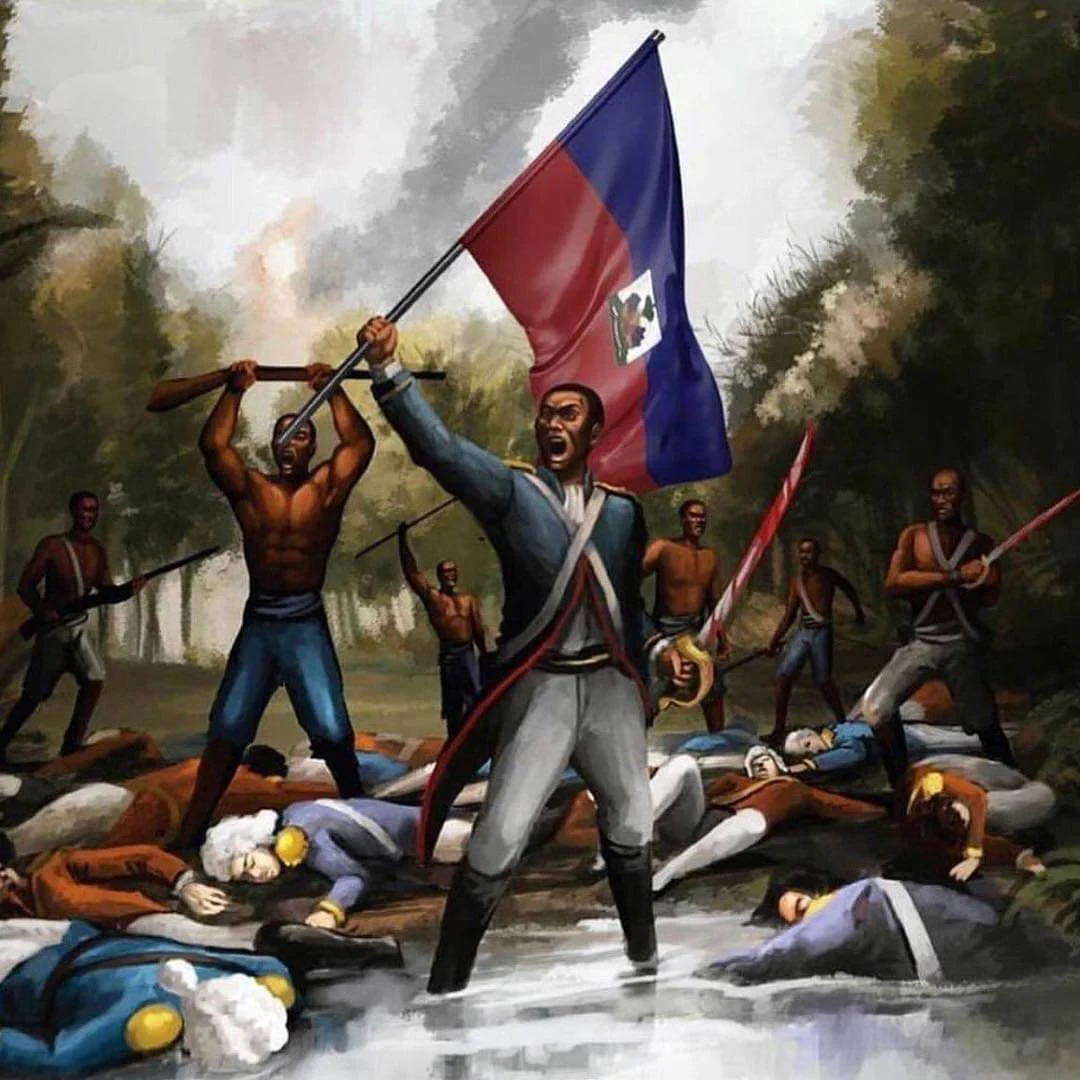
First black nation to free itself from slavery and gain independence from France in 1804 and influenced other liberation movements around the world, inspiring struggles for freedom and equality.

Natural beauty

Natural beauty

Haïti is blessed with spectacular natural landscapes, including white sand beaches, mountains and rich biodiversity.

Heritage

Heritage

Haïti has a rich historical heritage, including sites like the Citadelle Laferrière and the Sans-Souci Palace, listed as UNESCO World Heritage Sites.

Culture

Culture

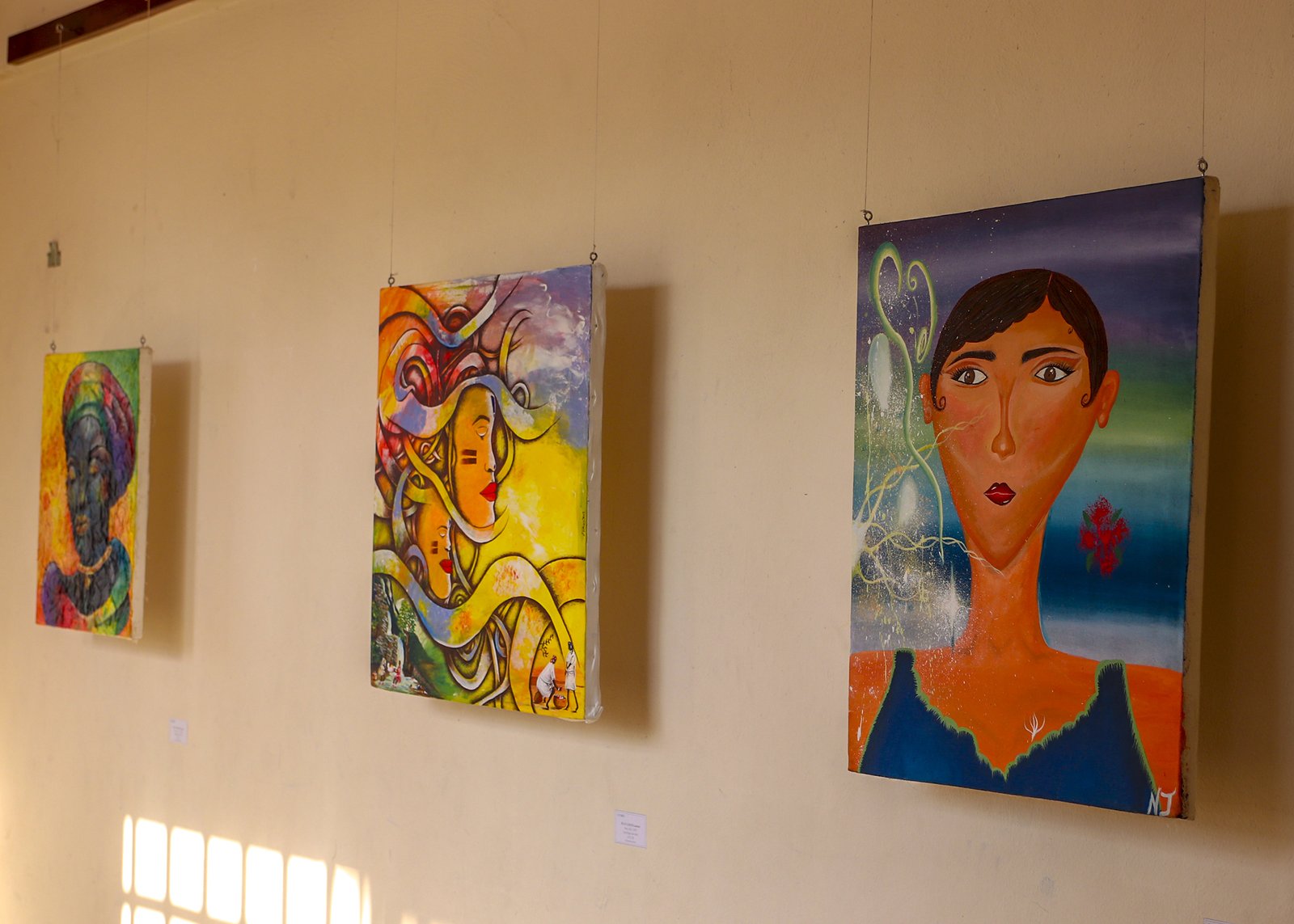
Haïti has a rich and diverse culture, influenced by African, European and indigenous elements. Haitian music, dance, art and cuisine are celebrated around the world.

  • +
    • Post