contact@haitiwonderland.com+509 36184317

Discover

Shopping Cart

Article 1 of the Haitian Constitution: The 6 Terms that Define the Republic of Haiti

Article 1 of the Haitian Constitution: The 6 Terms that Define the Republic of Haiti

Article 1 of the Haitian Constitution of 1987, amended in 2011, establishes the foundations of national identity. In one concise but powerful sentence, it states that Haïti is an indivisible, sovereign, independent, free, democratic and social Republic. These six terms reflect the fundamental values ​​and collective aspirations of the Haitian nation, forged through a rich and tumultuous history.

ARTICLE 1: Haïti is a Republic, indivisible, sovereign, independent, cooperative, free, democratic and social.


Let’s discover the meaning and importance of each of these principles in the context of the Republic of Haiti.

Haïti
Haïti
Haïti

1. Indivisible: National Unity Above All

Indivisibility ensures that Haïti forms a whole, unified and inseparable. This means that its territory, its people and its government cannot be divided, neither by internal conflicts nor by external influences.

- Key figure: Haïti has 10 administrative departments, but they all operate under a single national entity.
- Concrete example: The national motto, "Unity is Strength," illustrates this commitment to unity.

Haïti
Haïti
Haïti

2. Sovereign: A Country Master of Its Destiny

Sovereignty symbolizes political independence and Haiti’s ability to govern without foreign interference. Since its declaration of independence in 1804, Haïti has remained a model of resistance and self-determination.

- Key figure: Haïti is the first sovereign black republic in the world.
- Historical fact: The Battle of Vertières in 1803 marked the defeat of the Napoleonic army and affirmed Haitian sovereignty.

Haïti
Haïti
Haïti

3. Independent: a historic struggle for freedom

Being independent means that Haïti is free from any foreign domination. This independence was won through the Haitian Revolution, a movement that overturned the colonial and slave systems of the time.

- Notable fact: Haïti inspired other nations fighting for independence, particularly in Latin America.
- Key figure: January 1, 1804 official date of the declaration of independence.

Haïti
Haïti
Haïti

4. Free: a fundamental pillar

Freedom is at the heart of Haitian values. This principle guarantees that every citizen enjoys fundamental rights and freedoms, including freedom of expression, worship and association.

- Concrete example: Haïti is a country where different religions coexist harmoniously, including Catholicism, Protestantism and Voodoo.
- Key figure: More than 500,000 slaves were freed thanks to the Haitian Revolution.

Haïti
Haïti
Haïti

5. Democratic: the voice of the people above all

As a democratic republic, Haïti values ​​citizen participation in political decisions. Although the country has experienced periods of turbulence, the democratic ideal remains an essential objective.

- Notable fact: The first universal democratic elections were held in 1990.
- Key figure: Haïti has approximately 7 million registered voters.

Haïti
Haïti
Haïti

6. Social: a commitment to justice and equity

The social character of the Republic emphasizes the reduction of inequalities and the promotion of collective well-being. This includes initiatives to improve education, health, and living conditions for citizens.

- Concrete example: Community programs aim to strengthen infrastructure and reduce poverty.
- Notable fact: Approximately 60% of the Haitian population depends on agriculture for their livelihood, highlighting the importance of social policies.

An article that embodies the essence of Haiti

Article 1 of the Haitian Constitution is much more than a legal text. It is a declaration of the values ​​and aspirations of a nation proud of its history and identity. These six terms indivisible, sovereign, independent, free, democratic, and social encapsulate the vision of a unified, strong, and resilient Haiti.

By celebrating these principles, every Haitian is called to contribute to a Republic that honors its past while building a promising future.

Share
About the Author
Appolon Guy Alain
Appolon Guy Alain
Appolon Guy Alain

Full Stack Developer, Créatif, expérimenté, passionné des nouvelles technologies et de l’art.

See other articles from Appolon Guy Alain
Leave a comment

Recently Posted

Newsletter

Subscribe to our newsletter to stay informed of all our activities and news on Haiti.

Petit-Goave, Haiti: Decryption of the 3rd rara weekend!

It is more and more obvious that in Petit-Goave the media space is absorbed by the rivalry between Ratyèfè, triple champions and lambi gran lambi dlo, a former champion. The past weekend was once again irrefutable proof of the media tension over these two rival bands. With a carnival-like appearance, the fan club of the first dressed in a white shirt, short orange-yellow skirt, purple tie, black boot; the other dressed in a traditional hat, yellow jersey, red pants, red or yellow tennis shoes. This marriage of colors with the taste of carnival is the expression of cultural diversity as La Fontaine said in his book tales and short stories "diversity is my motto." This formula can adapt well to the rara. If it is true in Léogane this marriage of color has existed for ages. It is no less true that this was the case in Petit-Goave because we had to wait for the strong return of Ratyèfè in 2018 to see the rara fan clubs dress differently each new weekend. Last Saturday more than one expected a new face to face between Lambi gran dlo and Ratyèfè because the latter weighed anchor in the direction of the 2nd plain and the latter, in the direction of the city center. Less than in any other circumstance, this duel at the top was obvious. If for some comments it was a favorable opportunity for Lambi to take his revenge on his rival compared to the previous weekend because he had done the profile although he had the advantage because he was two against one. (Lambi,chenn tamarin vs Ratyèfè). This enormous advantage did not work in their favor because the hours that had passed worked against them, as proof they had gone to sleep while ratyèfè remained to play for at least 30 more rounds. Surprisingly but not surprisingly during the meeting long awaited by less than one, at the Acul not far from the Saint Jean-Baptiste church, lambi had decided not to play anymore. However, according to the customs and costumes of the rara when there are two bands, the one who stops playing first, shows weakness and surrender. Consequently, the other who is opposite out of decency and good morals has no other choice to do the same. It follows that for the umpteenth time the great power formation (lambi grand dlo) was unable to take revenge on its rival. For many cultural journalists who were present to witness this event did not have their tongue in their pocket to give their impression of Ratyèfè’s monster performance. This is the case for Brignol, a cultural commentary which wondered if Ratyèfè had the devil in his body so that the most incredulous were in their feeling of joy. On Sunday evening this monster of animation once again made its mark in the art of its know-how. This is what explains the almost unanimity among the cultural journalists of Petit-Goâve in granting first place to this band for its performance and its musical discipline. So, for this weekend according to the circle of cultural journalists of Petit-Goave and with the approval of many other cultural comments. We have the following classification: 1st Ratyèfè 2nd Grap Kenèp 3rd Orgueil de la jeunesse

Belle-Anse, a village between tradition, nature and tourist potential

Nestled in the southeast of Haiti, Belle-Anse is a destination that fascinates with its natural beauty and rich history. This small town, still often ignored by major tourist routes, is full of treasures that deserve to be discovered. Its wild beaches, its imposing mountains and its unique historical heritage make Belle-Anse a hidden pearl, ready to seduce travelers in search of authenticity and tranquility. Belle-Anse, founded in the 18th century, still bears the traces of its past. Its history, marked by changes of names and identity, bears witness to the political and social upheavals that have given the region. From the colonial era to the birth of the Republic, each corner of the city tells a part of the history of Haiti. This rich past is combined with a vibrant cultural life, where local festivals, such as the celebration of the Patron Saint every December 10, offer an authentic glimpse into the lives of the inhabitants. The historical remains scattered throughout the city are not only a reminder of the era of colonization, but also of the struggles for independence. These witnesses of the past, combined with a calm and preserved atmosphere, make Belle-Anse a place where history and nature intertwine harmoniously. What distinguishes Belle-Anse is undoubtedly its spectacular natural environment. Ultimately, these beaches before the deserts invite you to relax. Lagan Beach, lined with palm trees and crystal clear waters, offers an idyllic setting for lovers of wild nature, far from the crowds of more frequent tourist destinations. The nearby Bay of Jacmel is a true natural bliss, promising moments of calm and escape. The city is also surrounded by majestic mountains, ideal for those who wish to explore the Haitian landscapes on foot, while discovering a unique biodiversity. While Belle-Anse’s natural resources are rich, they are also fragile, and preserving these areas remains an important issue for the future of the region.

Recently Posted

History

History

First black nation to free itself from slavery and gain independence from France in 1804 and influenced other liberation movements around the world, inspiring struggles for freedom and equality.

Natural beauty

Natural beauty

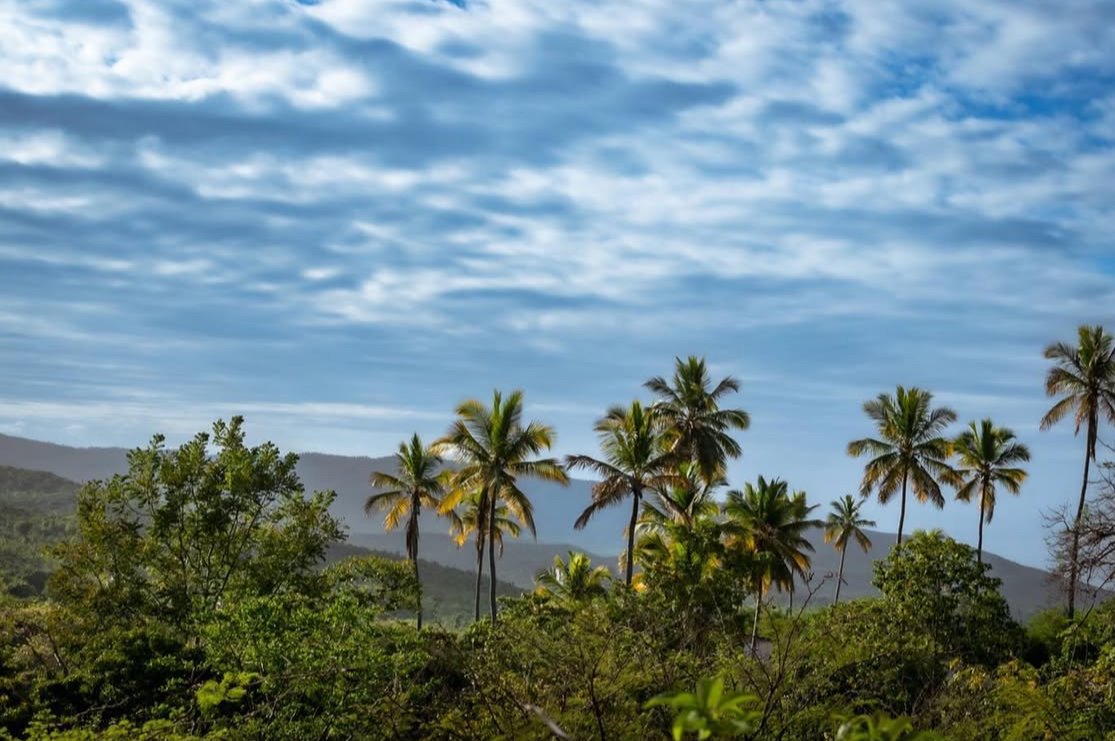
Haïti is blessed with spectacular natural landscapes, including white sand beaches, mountains and rich biodiversity.

Heritage

Heritage

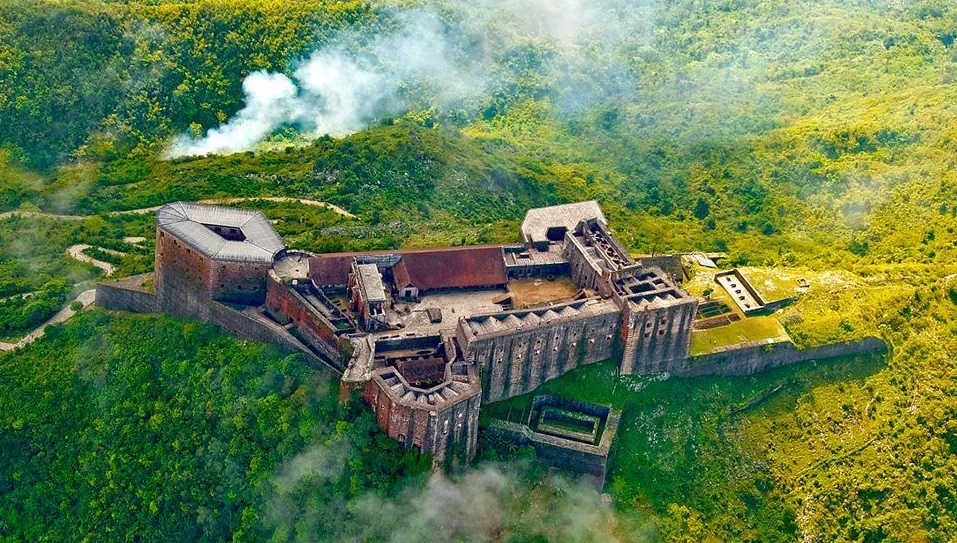
Haïti has a rich historical heritage, including sites like the Citadelle Laferrière and the Sans-Souci Palace, listed as UNESCO World Heritage Sites.

Culture

Culture

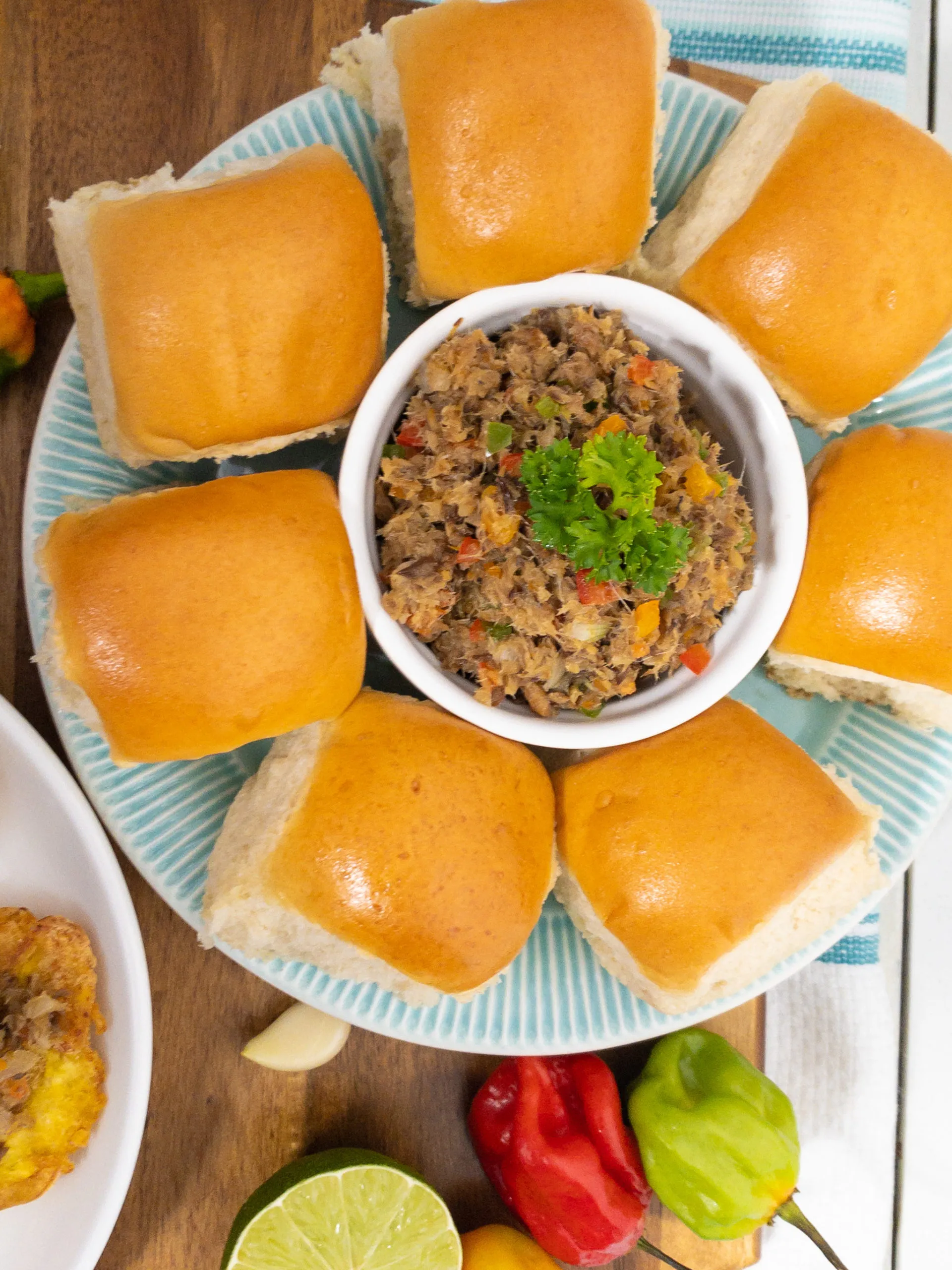
Haïti has a rich and diverse culture, influenced by African, European and indigenous elements. Haitian music, dance, art and cuisine are celebrated around the world.

  • +
    • Post