contact@haitiwonderland.com+509 36184317

Discover

Shopping Cart

5 cities in Haïti to explore

5 cities in Haïti to explore

Haiti, a Caribbean republic with a rich historical past, is divided into ten departments comprising 140 communes. Its history dates back to pre-Columbian times with the Tainos, followed by European colonization and a historic rebellion against slavery and colonial rule, culminating in its independence in 1804. Despite its current challenges, Haïti offers remarkable natural beauty with its beaches, its mountains and its cultural diversity. Among its municipalities, some stand out for their charm and history. Here is a selection of five of the most remarkable communes in Haiti, inviting you to discover its hidden treasures.

Les Cayes, Haiti
Les Cayes, Haiti
Les Cayes, Haiti

1) Cayes

The town of Les Cayes was founded in 1726 according to a plan drawn up by Mr. de la Lance on the site of Salvatierra de la Zabana (Land saved from the waters), a Spanish town created during the government of Nicolás de Ovando in 1503. Now is the third city of Haiti, capital of the Sud department. It is a diverse destination that will delight travelers in search of nature, history and authentic discoveries. In addition to the famous Grotte Marie-Jeanne and the Bergeau botanical garden , visitors can enjoy the magnificent beaches of Gelée and Île à Vache for water activities and moments of relaxation. This city steeped in history, recalls the struggles for Haiti’s independence. The bustling Les Cayes market offers local produce and crafts, while colonial architecture and Haitian cuisine enrich the cultural experience. In summary, the city of Les Cayes is a diverse destination which will delight travelers in search of nature, history and authentic discoveries.

Les irois, Haïti
Les irois, Haïti
Les irois, Haïti

2) Les irois

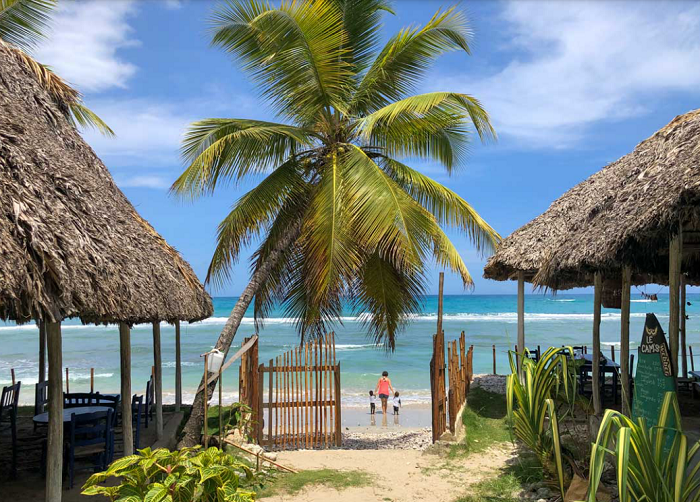
Les Irois is a commune in Haiti, located in the department of Grand’Anse, district of Anse-d’Ainault. Founded in 1625 by two Irishmen, it was elevated to the rank of municipality in 1952. The municipality is bordered by the Caribbean Sea. Its relief is mainly composed of plains, and its climate is hot until November, becoming a little cooler from November to February.

Les Irois benefits from a magnificent coastal location, with Tikwann beach and the surrounding mountains. It thus offers a natural balance between maritime beauty and mountainous landscapes, inviting the discovery and exploration of its geographical and historical riches. .

Lascahobas
Lascahobas
Lascahobas

3) Lascahobas

Lascahobas is a commune and the capital of the district of the same name, located in the Center department, 51 km northwest of Port-au-Prince. Formerly known as Acajoux, Lascahobas was founded in 1760 and elevated to the rank of commune in 1814. From a tourist point of view, it offers a particular attraction thanks to its caves, notably the Nan Remi, Nan Frechè, Nan Kafe and La Peigne, which are just five minutes from the city center. These natural formations add to the beauty of Lascahobas, making it a charming destination to discover in Haiti.

Discover Cap-Haitien: The 2nd city of Haiti

Discover Cap-Haitien: The 2nd city of Haiti

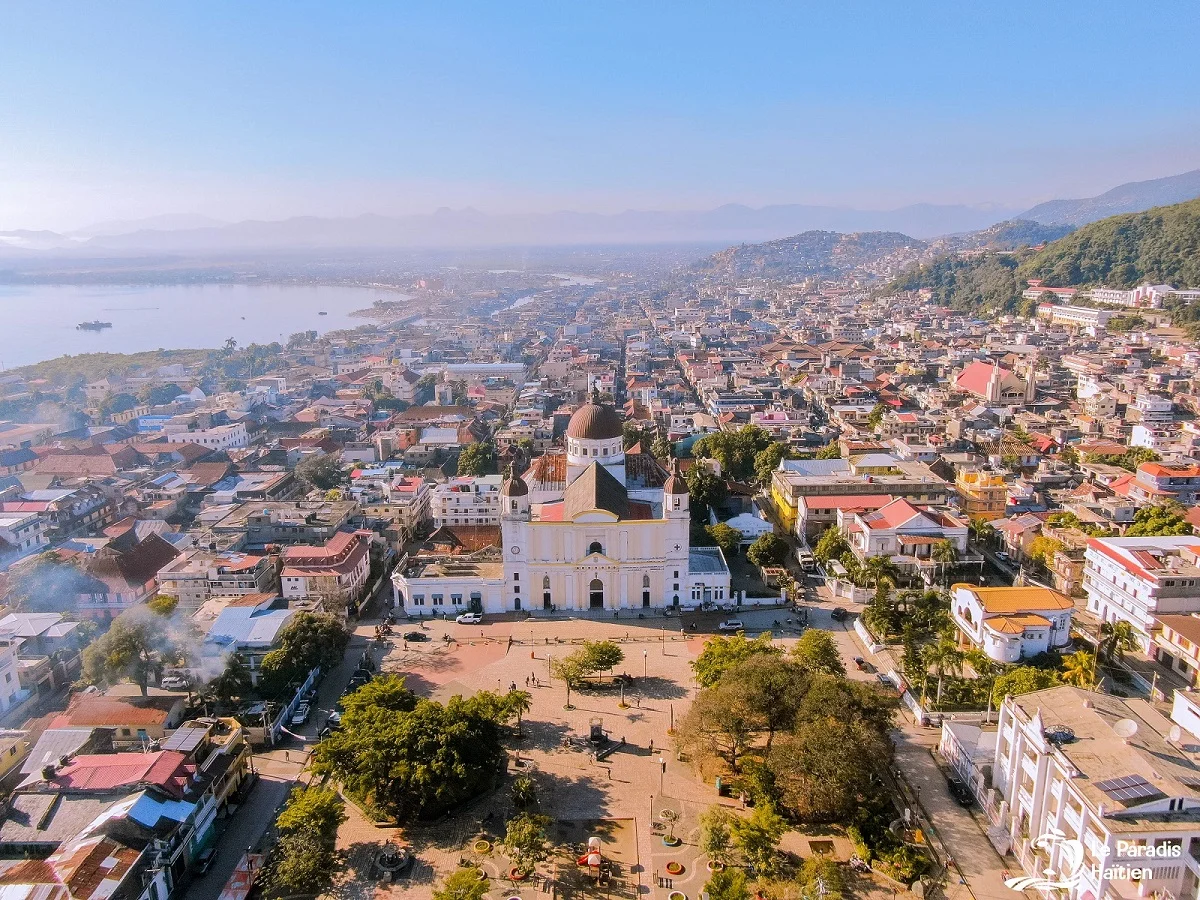
Cap-Haïtien, is a coastal city in the northern department of Haiti, formerly known under the names of Cap-Français or Cap-Henri. Dominated by the Morne Jean mountain, this destination offers an immersion in the French colonial past and the Haitian revolution. Nestled by picturesque bays and bordered by the Haut-du-Cap river, Cap-Haitien appeals to travelers looking for authenticity and seaside adventure. The city, rich in history and culture, has seen the birth of renowned artists like Philomé Obin and hosts a vibrant music scene with the groups Septentrional and Tropicana from Haiti. Its hidden treasures, including the Citadelle La Ferrière and the historic site of Vertières, as well as its magnificent natural landscapes, make Cap-Haitien an unmissable destination in the Caribbean. Paradise beaches in Labadie and cobbled streets evoking a rich past invite visitors to fully immerse themselves in Haitian history and culture. Cap-Haïtien, formerly Cap-Français or Cap-Henri, is the second city of Haiti, capital of the Nord department and the district of Cap-Haïtien. Located on the northern coast of the Republic of Haïti , was considered in the 19th century as the safest port. Dominated by the Morne Jean mountain, culminating at 718 meters above sea level, the town is located at the mouth of the Haut-du-Cap river, on the west coast. of the bay of Cap-Haïtien. To the west of the town lies the Acul Bay.

L’Estère, Haïti
L’Estère, Haïti
L’Estère, Haïti

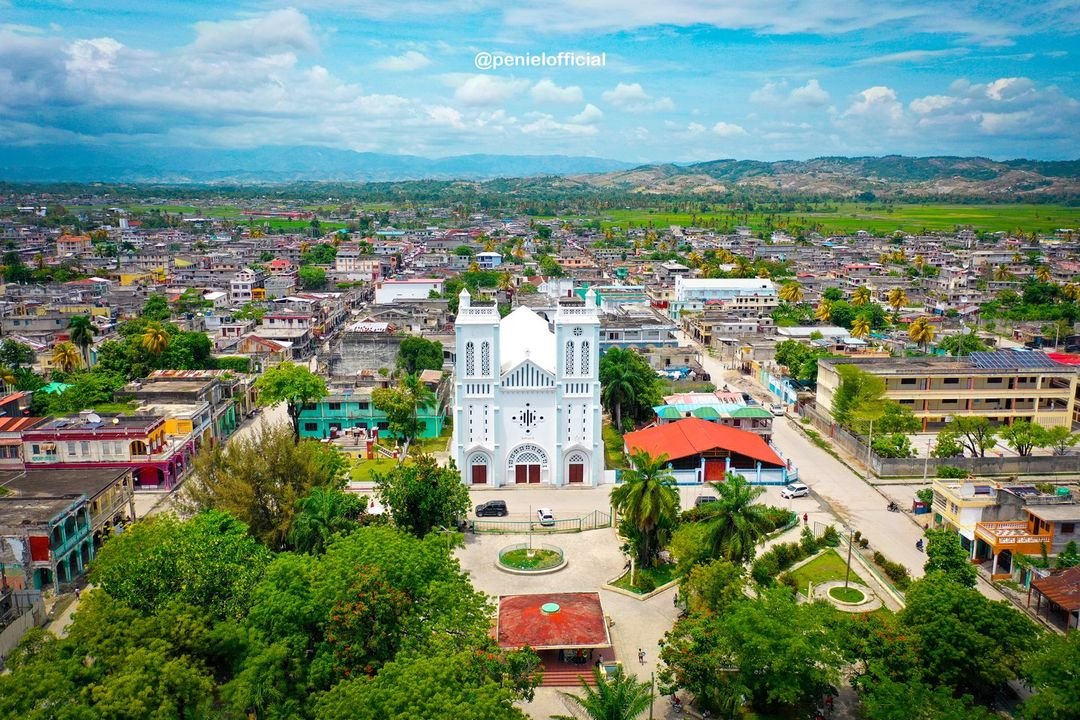
4) L’Estère

The town of l’Estère, located in the Gonaïves district of the Artibonite department, was established in 1908 and was formerly known as Chicotte. Its landscape mainly consists of a valley in the urban part and mountains (bleak) in other parts of the municipality. Due to its inland location, Estère benefits from a warm climate. It is renowned for its important historical site: La Ravine à Couleuvre de La Croix Périsse. Additionally, the city has natural resources such as the Estère River, lakes, salt marshes and marble quarries, making it a commercial center of national importance. These natural resources contribute greatly to the economic prosperity of Estère and reinforce its importance in the Artibonite region of Haiti.

Mole Saint-Nicolas
Mole Saint-Nicolas
Mole Saint-Nicolas

5) Mole Saint-Nicolas

Môle-Saint-Nicolas, a commune in the North-West department of Haiti, marks the place where Christophe Colomb landed for the first time on December 6, 1492, naming the island "Hispaniola". This bay was considered a "Gibraltar of the Caribbean" after the Seven Years’ War, which led to the founding of the town of Môle-Saint-Nicolas in 1764. On August 31, 1798, the English general Thomas Maitland handed over the keys to the city to Toussaint Louverture, after his victory at Port-au-Prince with an army of ex-slaves.

In terms of tourism, the town of Môle St Nicolas is renowned for its economic potential and the preservation of its heritage. It offers historical sites such as the Poudrière, the Vieux Quartier, Fort Georges, the Vallière battery, and Fort St Charles, representing the French fortifications towards the sea. In addition, vestiges of the English occupation (Fort de Ralliement) and mountainous fortifications from the Haitian period (fort in Cabrit) are also present. The colonial cemetery and the French and English colonial architecture contribute to the historical appeal of the town of Môle.

The selected municipalities illustrate the diversity and splendor of this Caribbean country. From pristine beaches to mysterious caves, historic remains and mountainous landscapes, each destination reveals a unique aspect of Haiti’s cultural and natural wealth. Whether for adventure, relaxation or historical discovery, this country offers authentic experiences that captivate and amaze visitors. Explore these hidden gems and let yourself be seduced by the magic of Haiti.

Exploring Cayes-Jacmel, Haiti: Discovering a tourist and cultural treasure.

Exploring Cayes-Jacmel, Haiti: Discovering a tourist and cultural treasure.

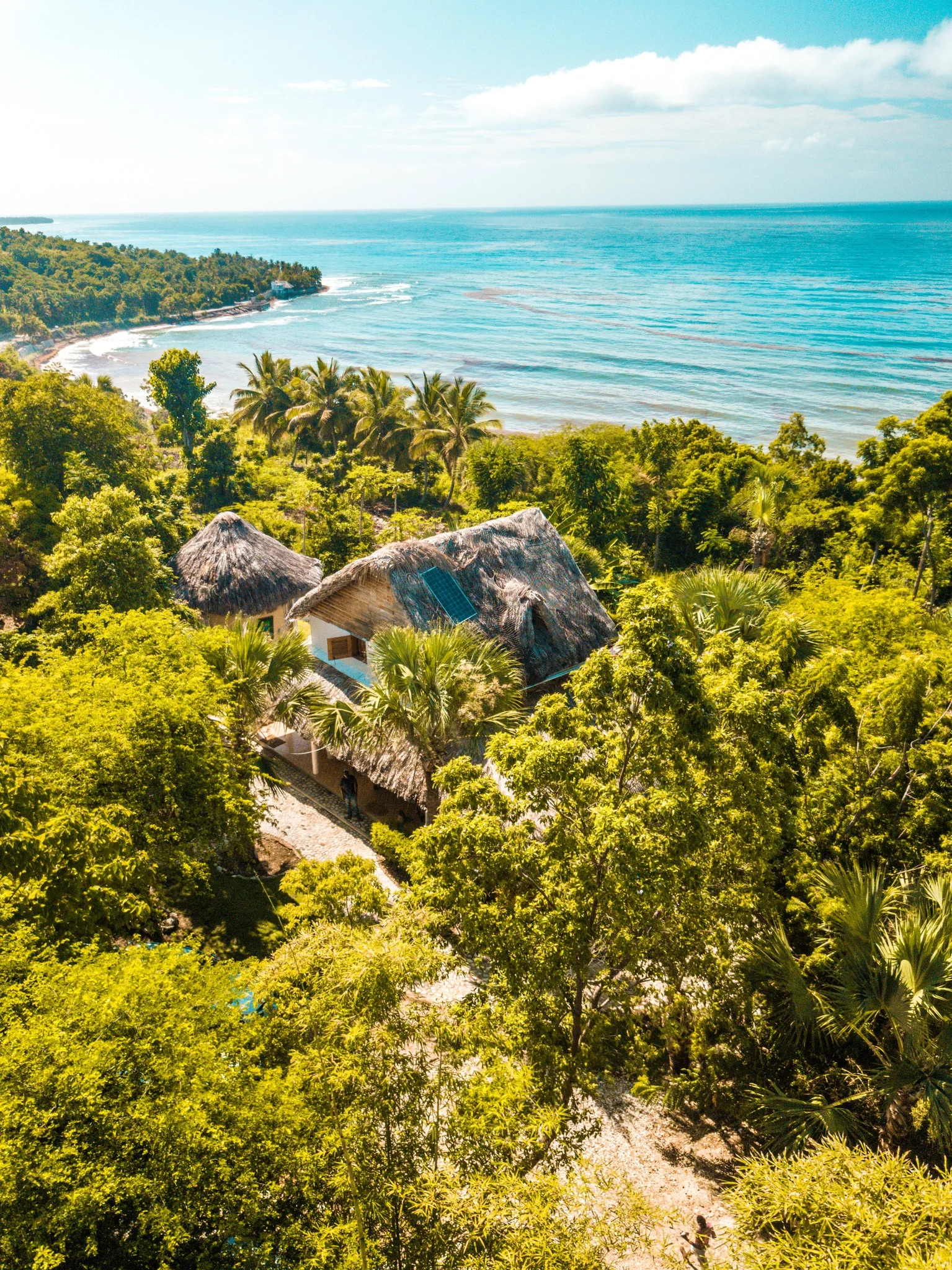
Nestled in the splendid mountains of the southeastern region of Haiti, the picturesque commune of Cayes-Jacmel emerges as a rare pearl, offering an incomparable tourist and cultural experience. With its lush green landscapes, rich cultural heritage and exciting activities, this destination promises an unforgettable journey for travelers seeking authenticity and natural beauty. As soon as you arrive in Cayes-Jacmel, you will be captivated by the splendor of its landscapes. The plains and hills that dominate the terrain offer a breathtaking spectacle, ideal for picturesque hikes and leisurely walks. The town is also full of crystal clear waterways, perfect for a refreshing break or a relaxing fishing session. Explore the hidden trails and let yourself be enchanted by the thriving biodiversity of the region, where nature reigns supreme. Without forgetting the magnificent beaches of Kabic like "Ti Mouillage", where the fine sand and turquoise waters invite relaxation and water sports. Cayes-Jacmel is steeped in rich history and vibrant culture, reflected in its majestic temples and churches. With more than thirty-two temples of all faiths, including Baptist churches, Churches of God and Catholic churches, the town is a symbol of religious diversity and tolerance. Immerse yourself in the region’s fascinating past by visiting the magistrate’s court and police station, witnesses to its political and legal legacy. Experience the excitement of local life by participating in the lively festivals and cultural events of Cayes-Jacmel. Immerse yourself in the haunting rhythms of Haitian music during community celebrations, and discover traditional crafts at local markets. Don’t miss the town’s annual festival, where dance, gastronomy and the arts combine to create a festive and warm atmosphere. Whether you’re a sports lover, adventure enthusiast, or simply looking for relaxation, Cayes-Jacmel has something to offer every traveler. Play football or basketball on the local pitches, or dance the night away at one of the town’s lively nightclubs. For an authentic experience, join a fishing excursion with the locals, or explore the region’s hidden gems on an exciting jeep tour. With its breathtaking natural beauty, rich cultural heritage and captivating activities, Cayes-Jacmel emerges as an incomparable tourist and cultural destination in Haiti. Whether you are looking for adventure, relaxation or cultural discoveries, this picturesque town promises you an unforgettable experience, imbued with the very essence of Haitian life. Embark on a journey to the heart of the magic of Cayes-Jacmel and let yourself be enchanted by its charm.

Share
About the Author
Jarule Laguerre
Jarule Laguerre
Jarule Laguerre

    laguerrejarule916@gmail.com

    See other articles from Jarule Laguerre
    Leave a comment

    Recently Posted

    Newsletter

    Subscribe to our newsletter to stay informed of all our activities and news on Haiti.

    Here are five compelling reasons why you should definitely visit Haiti’s beaches

    1- Abaka Bay (Île-à-Vache): Start your Haitian adventure with the magnificent Abaka Bay, recently named one of the most beautiful beaches in the world by CNN. Located on the enchanting island of Île à Vache, this bay offers a pristine white sand beach and calm Caribbean waters, framed by lush green hills. Abaka Bay Resort offers a truly exclusive and secluded experience, with bungalows located directly on the beach, offering panoramic views and direct access to the fine sand and crystal clear sea. The dining options are equally impressive, with one restaurant offering breathtaking ocean views and epic sunsets. To get to Île à Vache, simply take a 15-20 minute boat ride from Les Cayes, located off the southern coast of Haiti. 2- Île à Rat (Amiga Island): As soon as you set foot on Île à Rat (also known as Amiga Island), this little slice of paradise will steal your heart. Its smooth white sand beach immediately catches the eye, while gentle waves create a dreamy oasis against the pearly shore. Located in the turquoise waters off the coast of Plaine du Nord in northern Haiti, Île à Rat is a 1.8 hectare piece of white coral covered in a small wild forest. The island is a peaceful retreat, especially for couples looking for a serene getaway. To get to Île à Rat, you can take one of the many water taxis waiting in Labadee, a 30-minute drive from Cap-Haïtien. Keep in mind that the island is uninhabited, so it is important to bring everything you need for a comfortable stay, including drinking water. 3- Côtes des Arcadins: Nestled north of the bay of Port-au-Prince, Côtes des Arcadins stretches over 19 kilometers of white sand beaches lined with palm trees, making it one of the most popular seaside destinations from Haiti. The combination of the deep blue sea, mountains, mangrove forests and the coral reef formed by the Arcadins islets creates a breathtaking spectacle. It is also a great place for divers. To get there, follow the road north of the bay of Port-au-Prince. You will be amazed by the natural beauty of this region. 4- Plage de Gelée: This beach is one of the most popular thanks to its crystal clear waters and soft sand, all with a pastoral landscape in the background. If you are looking for a place to relax and soak up the sun, Gelée Beach is a great choice. 5- Jacmel Beach: Although swimming is not recommended here, Jacmel Beach is famous for its picturesque charm and artistic atmosphere. It is located in the historic town of Jacmel, known for its lively carnival and colorful houses. Explore the beach, admire the architecture and soak up Haitian culture. Don’t forget your swimsuit and sunscreen, and enjoy these hidden treasures of Haiti! 🏖️☀️

    Haiti: The Rara season in Petit-Goâve: A celebration of life, unity and resilience

    As the new season of Rara looms on the horizon, certain groups such as Saint Jacques Majeur, Ratyèfè, Florida Band, Lambi Grand, and Grap Kenèp are already preparing to light up the streets of Petit-Goâve with their flamboyant costumes and their captivating melodies. For these groups, the future looks bright, promising a season full of passion and success. However, other rara bands are still hesitant about which direction to take. Despite these uncertainties, optimism reigns regarding the success of this new season for all rara groups in the commune of Petit-Goâve. Rara, anchored in the Vodou tradition, is much more than a simple artistic manifestation. It embodies the very essence of Haitian culture, highlighting questions of memory, tradition and identity. This increasingly popular form of artistic expression attracts a large audience and arouses unprecedented enthusiasm. Groups like Ratyèfè, Grap Kenèp, Florida Band and Chenn Tamaren, recognized for their ability to delight their fans, play a crucial role in the continued growth of rara in the town. The rara season traditionally begins on Dead Thursday and ends on the night of Easter Sunday or quasimodo Monday. To mark the beginning of this sacred period, groups organize opening ceremonies, honoring the spirits of the deceased in rituals steeped in spirituality. These ceremonies, often held in cemeteries or in the "Bitasyons" of groups, symbolize the deep link between the rara and Vodou traditions.

    Recently Posted

    History

    History

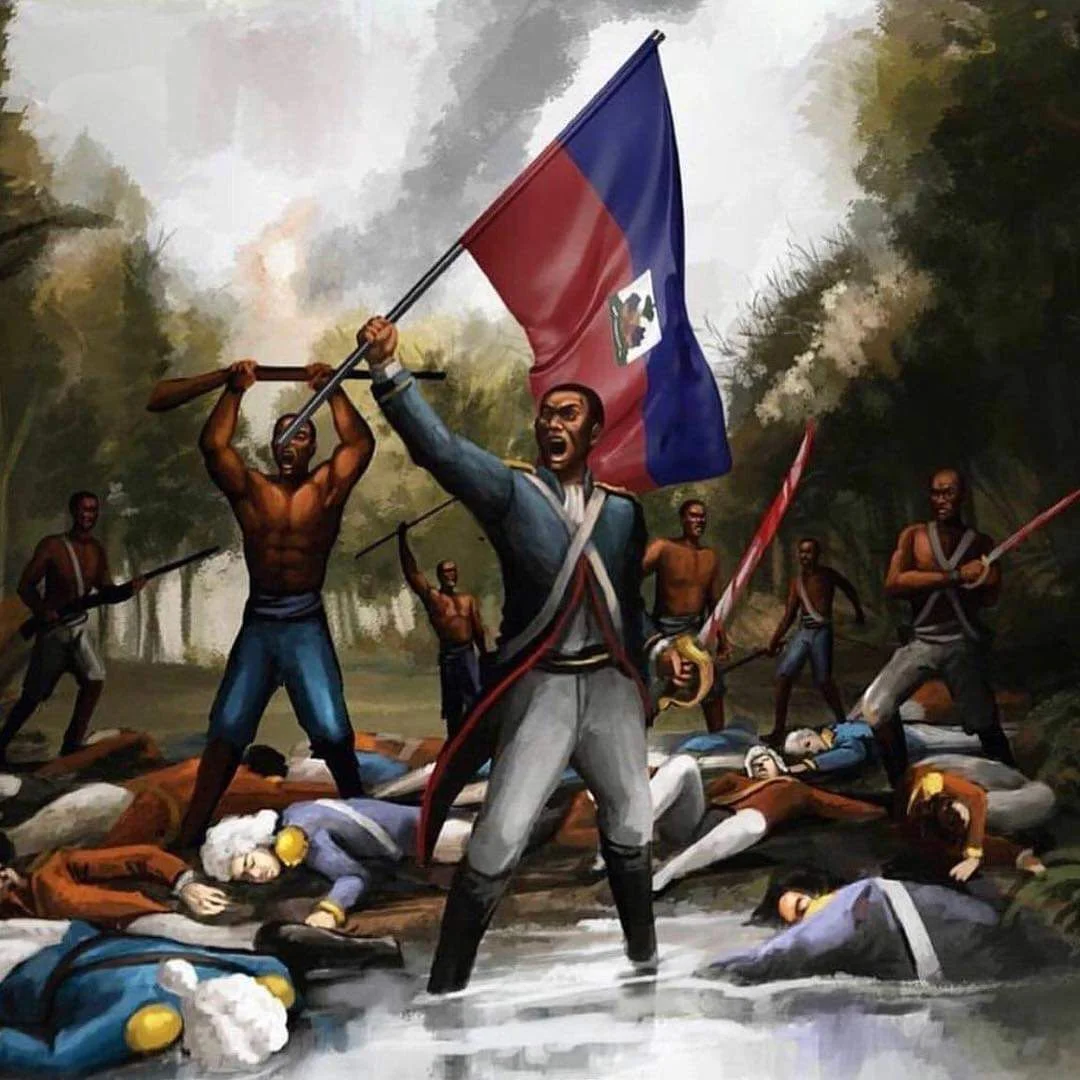
    First black nation to free itself from slavery and gain independence from France in 1804 and influenced other liberation movements around the world, inspiring struggles for freedom and equality.

    Natural beauty

    Natural beauty

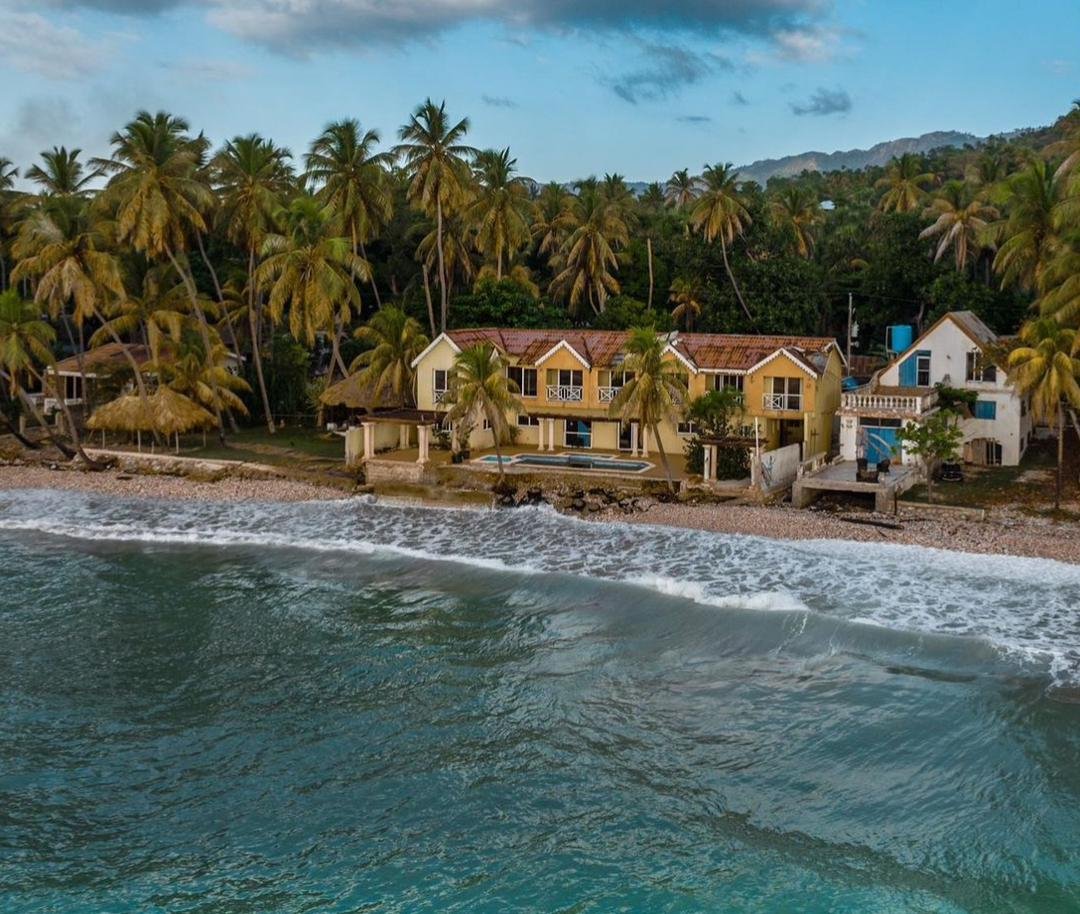
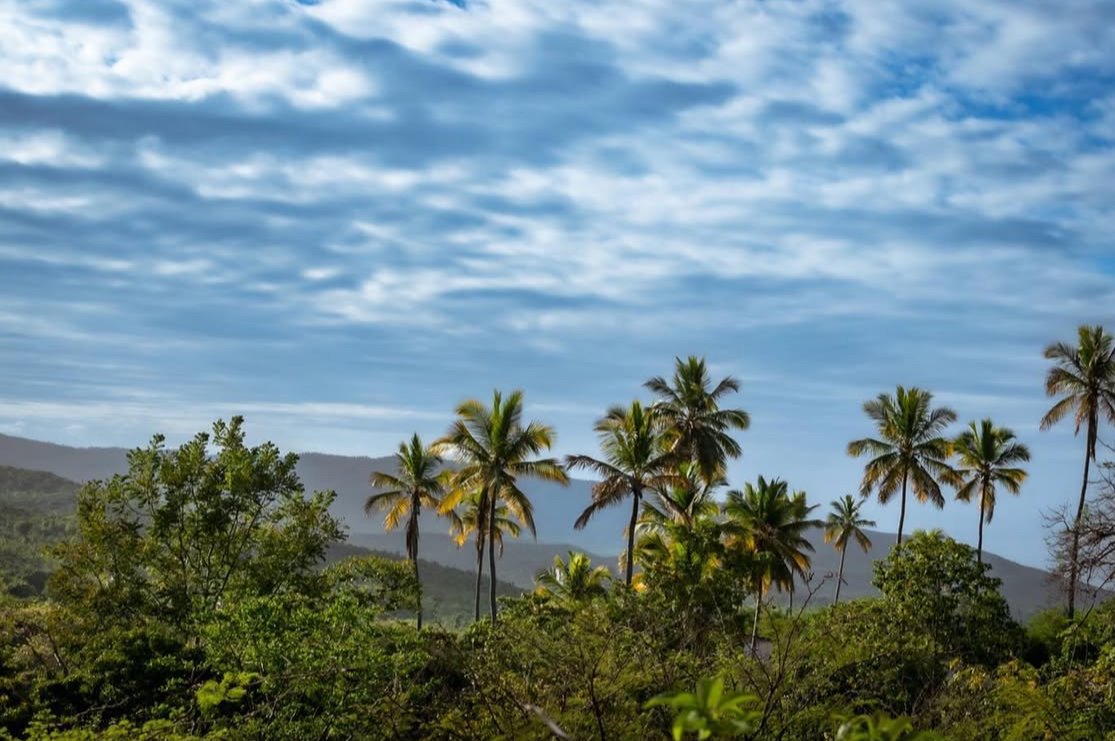
    Haïti is blessed with spectacular natural landscapes, including white sand beaches, mountains and rich biodiversity.

    Heritage

    Heritage

    Haïti has a rich historical heritage, including sites like the Citadelle Laferrière and the Sans-Souci Palace, listed as UNESCO World Heritage Sites.

    Culture

    Culture

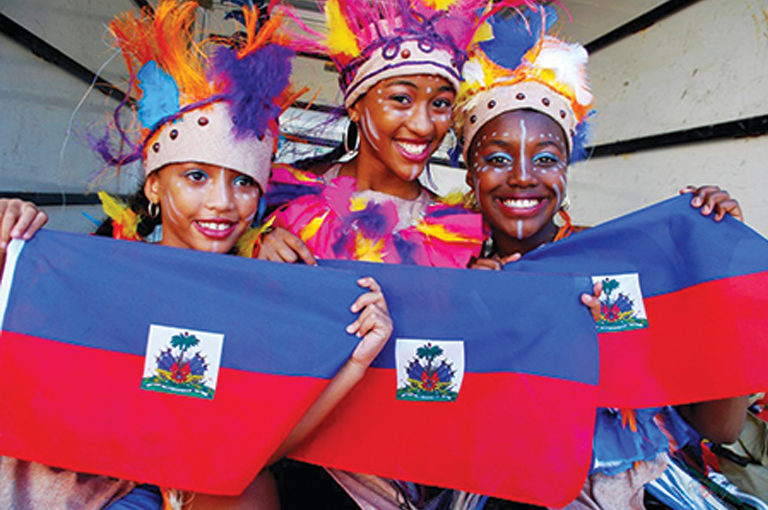
    Haïti has a rich and diverse culture, influenced by African, European and indigenous elements. Haitian music, dance, art and cuisine are celebrated around the world.

    • +
      • Post