contact@haitiwonderland.com+509 36184317

Discover

Shopping Cart

What is the area of ​​Haiti?

What is the area of ​​Haiti?

Haiti, the pearl of the Antilles, is a country rich in history, culture and varied landscapes. In addition to its many attractions, it is interesting to dwell on a fundamental geographical aspect: its area. This article explores in detail the size of the Haitian territory, its geographical importance and its impact on the daily lives of Haitians.

The Area of ​​Haiti: A Geographic Introduction

Haïti occupies the western part of the island of Hispaniola, which it shares with the Dominican Republic. Its total area is approximately 27,750 square kilometers, making Haïti one of the smallest countries in the Americas. Despite its relatively modest size, the country presents an impressive geographical diversity with mountains, plains, coasts and valleys.

This area includes both the mainland and several adjacent islands, such as Île de la Gonâve, Île-à-Vache, and Les Cayemites.

A Comparison with Other Countries

To better understand the size of Haiti, it may be useful to compare it with other countries or regions:
- Haïti is slightly smaller than Belgium (30,528 km²).
- It is smaller than Cuba, its Caribbean neighbor, which has an area of ​​over 110,000 km².
- In Latin America, Haïti is among the smallest states, but it is still larger than some microstates such as Barbados (430 km²) or Saint Kitts and Nevis (261 km²).

These comparisons show that although modest in size, Haïti holds a strategic geographic place in the Caribbean.

A Contrasting and Diverse Relief

Haiti’s surface area is far from uniform: approximately 80% of its territory is made up of mountains, earning it the nickname “country of mountains”. The highest point in the country is Pic la Selle, which rises to 2,680 meters above sea level.

The rest of the country is made up of fertile plains, such as the Plaine du Cul-de-Sac, and spectacular coastlines bordered by the Caribbean Sea and the Atlantic Ocean. These varied reliefs influence not only the climate but also the country’s lifestyles, economic activities and infrastructure.

The Impact of Surface Area on Population

With a population of approximately 12 million, Haïti is one of the most densely populated countries in the Caribbean. The country’s relatively small area creates an average density of about 430 inhabitants per square kilometer. This density is even higher in urban areas such as the capital, Port-au-Prince, where infrastructure is under significant pressure.

However, some rural areas, particularly the mountains, remain sparsely populated due to difficult access and sometimes harsh living conditions.

Ecological and Strategic Importance

Despite its small size, Haïti has a rich biodiversity. Its mountains are home to unique plant and animal species, while its coasts and mangroves play a key role in the Caribbean marine ecosystem. Sustainable management of this area is therefore essential to preserve this natural wealth.

Strategically, Haïti is located at an important maritime crossroads, connecting the Atlantic Ocean to the Caribbean Sea. Its geographical position makes it a key player in regional trade.

A Surface Area That Hides Great Wealth

Haiti’s surface area, although modest, contains incredible geographic, cultural and ecological wealth. Each square kilometer of the territory tells a story: that of a resilient people, a unique biodiversity and a precious historical heritage.

Understanding the size and diversity of the Haitian territory allows us to better appreciate the complexity and beauty of this fascinating country, a true jewel of the Caribbean.

Share
About the Author
Appolon Guy Alain
Appolon Guy Alain
Appolon Guy Alain

Full Stack Developer, Créatif, expérimenté, passionné des nouvelles technologies et de l’art.

See other articles from Appolon Guy Alain
Leave a comment

Recently Posted

Haiti: In the Kingdom of Legends: Le Colombier, Keeper of the Secrets of Belle-Anse

In the heart of the azure waters of the Caribbean Sea, stands majestically the Colombier, an imposing rock mass that defies time and the elements. Located off the picturesque coast of Belle-Anse in southeastern Haiti, the Colombier is more than just a geological formation; it is a symbol of the natural beauty and cultural heritage of the region. Dominating the marine horizon with its imposing silhouette, the Colombier is shrouded in mystery and legends passed down from generation to generation. According to local stories, this rock was formed by the sea gods themselves, testifying to their passage through these crystal clear waters. A legend which adds an aura of fascination to this already enchanting place. But beyond its mythical appearance, the Colombier also offers a breathtaking visual experience. Visitors who venture to this natural wonder are rewarded with breathtaking panoramas: steep cliffs plunging into turquoise waters, isolated coves hemmed with golden sand, and abundant marine flora that enlivens the seabed. Le Colombier is also a refuge for remarkable biodiversity. Its waters are home to a multitude of marine species, from colorful fish to spectacular corals and majestic sea turtles. Scuba diving and snorkeling enthusiasts will find a preserved paradise there, where nature reigns supreme and each immersion is a fascinating exploration. As a tourist spot, Le Colombier offers an unforgettable getaway for travelers looking for adventure and authentic discoveries. Boat excursions from Belle-Anse allow visitors to get up close and personal with this natural wonder, contemplate its spectacular shapes and let themselves be captivated by its captivating beauty. In short, the Colombier embodies the quintessence of Haiti’s natural beauty, a hidden treasure in the heart of the Caribbean Sea. Between its breathtaking landscapes, its cultural heritage rich in legends and its exceptional biodiversity, this maritime jewel fully deserves its reputation as an essential tourist destination. Come discover the Colombier and let yourself be carried away by the magic of this exceptional place.

Newsletter

Subscribe to our newsletter to stay informed of all our activities and news on Haiti.

Recently Posted

History

History

First black nation to free itself from slavery and gain independence from France in 1804 and influenced other liberation movements around the world, inspiring struggles for freedom and equality.

Natural beauty

Natural beauty

Haïti is blessed with spectacular natural landscapes, including white sand beaches, mountains and rich biodiversity.

Heritage

Heritage

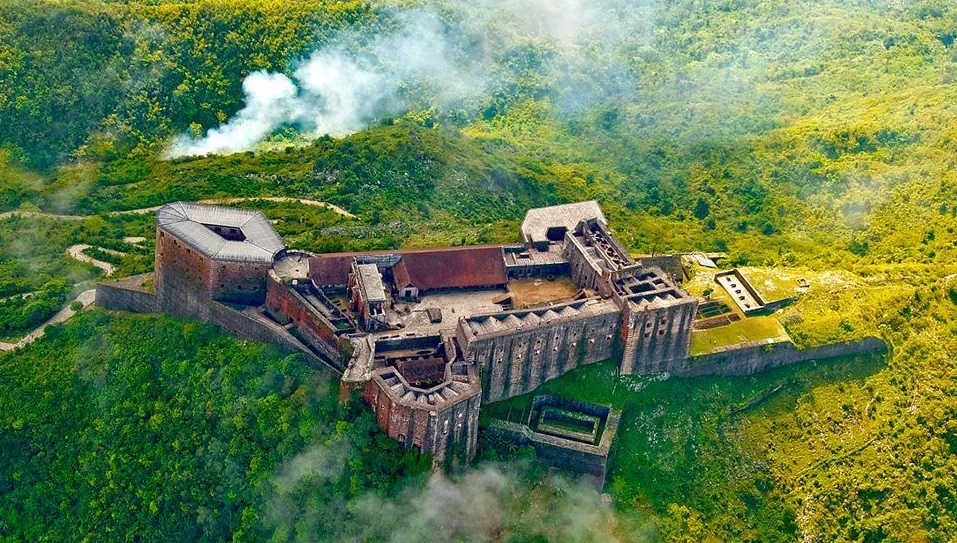
Haïti has a rich historical heritage, including sites like the Citadelle Laferrière and the Sans-Souci Palace, listed as UNESCO World Heritage Sites.

Culture

Culture

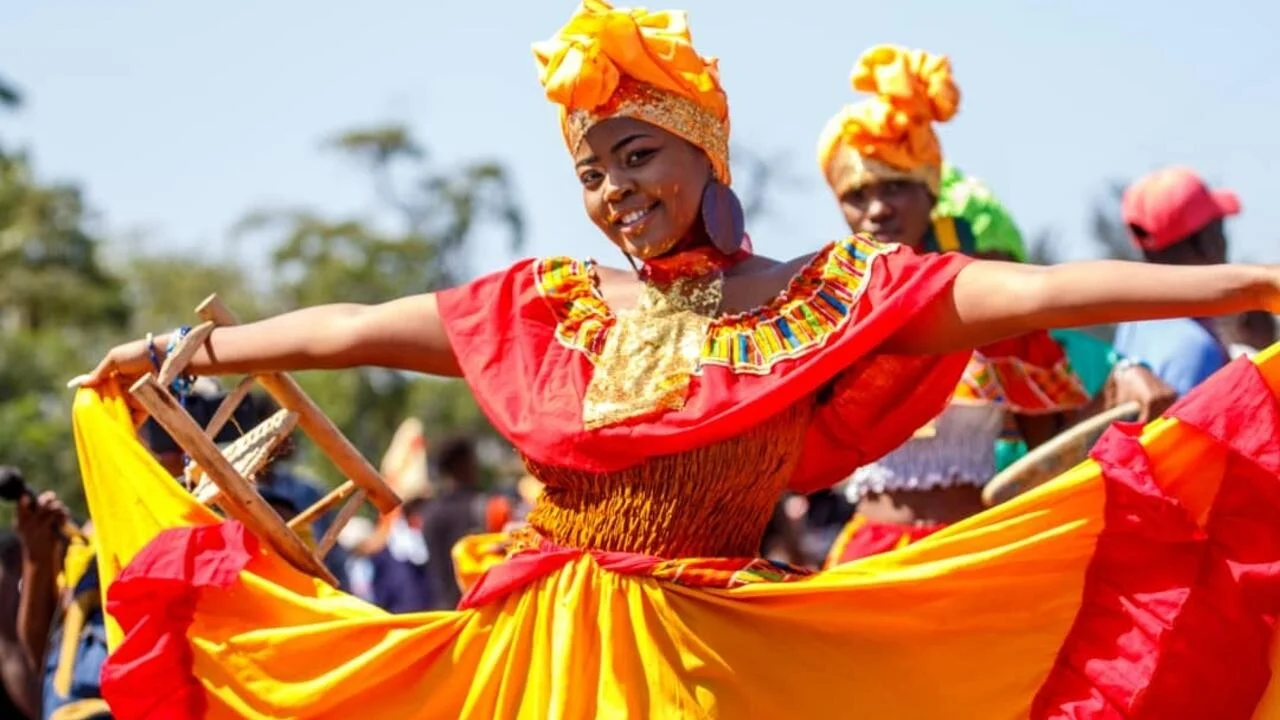
Haïti has a rich and diverse culture, influenced by African, European and indigenous elements. Haitian music, dance, art and cuisine are celebrated around the world.

  • +
    • Post