contact@haitiwonderland.com+509 36184317

Discover

Shopping Cart

What does the Coat of Arms of Haïti represent?

What does the Coat of Arms of Haïti represent?

The Coat of Arms of Haïti is a national symbol rich in history and deep meaning. It is a reflection of the country’s identity, its struggle for freedom, and the values ​​that unite the Haitian people. This article takes you into the details of the Coat of Arms of Haiti, exploring its origin, composition, and the symbolism of each element that composes it.

Haïti
Haïti
Haïti

The Origins of the Coat of Arms of Haiti

The Coat of Arms of Haïti was officially adopted in 1807, after the country gained independence in 1804. It is a symbol of the Haitian army’s victory over colonial occupation and the founding of a sovereign state led by free citizens. This coat of arms was designed to represent the struggles and sacrifices of the Haitian people to obtain and preserve their freedom, as well as to celebrate national unity and solidarity.

Key Elements of the Coat of Arms of Haiti

The Haitian emblem is composed of several symbolic elements, each carrying a strong meaning.

- The Palm Tree: Located in the center of the coat of arms, the palm tree represents the freedom and sovereignty of the Haitian people. It symbolizes the resistance of Haitians against oppression and their struggle for independence. The palm tree is also a symbol of peace and prosperity regained.

- The Cannons and Flags: On each side of the palm tree are cannons, representing the war of liberation, as well as flags, which are symbols of military victory and the honor of the Haitian people. These elements recall the battles fought for independence.

- The Laurel Branches: Surrounding the palm tree, the laurel branches are a symbol of glory and victory. They refer to the nobility of the Haitian people and their triumph in the face of oppression.

- Haitian Flags: The national flag of Haïti flies around the palm tree and other elements, representing national unity and the pride of a free country.

- The Banner with the Motto: At the base of the emblem, a banner bearing the national motto "L’Union fait la force" is inscribed. This motto recalls the importance of unity in preserving Haiti’s freedom and sovereignty. It embodies the collective strength of the Haitian people in the face of challenges.

The Symbolic Meaning of the Coat of Arms

The coat of arms of Haïti is a mix of symbols that tell the story of the Haitian people’s struggle for freedom and independence. The palm tree and cannons refer to the war of independence and resistance against colonial oppression, while the laurel branches symbolize the values ​​of glory, honor and peace found after victory.

The motto "Unity is Strength" is a key message that embodies the fundamental principle of solidarity and unity among Haitians. This principle was at the heart of the Haitian Revolution, where the unity of struggling slaves helped defeat colonial powers and establish an independent state.

The coat of arms thus recalls not only the military history of the country, but also the importance of national unity in ensuring Haiti’s sovereignty and stability.

Haïti
Haïti
Haïti

The Coat of Arms: A Symbol of National Pride

The coat of arms of Haïti is much more than just an emblem. It is a symbol of pride for the Haitian people, a sign of their victory over oppression and the sovereignty they have acquired through many sacrifices. Each element of the coat of arms reminds each Haitian of the struggles and triumphs of the past, and inspires a deep sense of belonging to the nation.

Whether during national celebrations, demonstrations or official events, the coat of arms is proudly displayed by Haitians, symbolizing their solidarity, unity and love of freedom.

Haïti
Haïti
Haïti

Coat of Arms and Its Place in Haitian Culture

The coat of arms of Haïti is omnipresent in Haitian culture, appearing on the national flag, in official buildings, administrative documents, as well as in many artistic and cultural expressions. It is a key element of the national heritage and a constant reminder of the history of the Haitian republic.

The coat of arms is also a symbol of the unity of the Haitian people, transcending regional, social and economic differences. It reminds all Haitians that, despite the challenges of the past and present, it is in unity that their collective strength lies.

The coat of arms is thus a means of identifying and reinforcing the Haitian national identity, serving as a link between past, present and future generations.

Haïti
Haïti
Haïti

A Living and Emblematic Heritage

The coat of arms of Haïti is a living symbol of the struggle for freedom, the sovereignty of the Haitian people, and the importance of national unity. Each element of this emblem recalls the resistance of the Haitian people in the face of oppression and celebrates their historic victory. More than just an emblem, the coat of arms of Haïti embodies the soul of the nation, its pride, and its cultural heritage. It is a powerful symbol that unites all Haitians in their commitment to the freedom, dignity, and future of their country.

Share
About the Author
Appolon Guy Alain
Appolon Guy Alain
Appolon Guy Alain

Full Stack Developer, Créatif, expérimenté, passionné des nouvelles technologies et de l’art.

See other articles from Appolon Guy Alain
Leave a comment

Recently Posted

Haïti : Boukanye

In the picturesque landscape of Cap Haïtien, stands a place that embodies the very essence of Haitian art and cuisine: Boukanye. This pirate house, founded in July 2016, has quickly become a must-see gem among area restaurants, attracting visitors from around the world for its rustic atmosphere and innovative menu. Located on the boulevard, Boukanye is much more than just a restaurant; it’s an experience in its own right. As soon as you walk through its doors, you are greeted by decor that celebrates local craftsmanship and the history of the pirates who once sailed these waters. Walls adorned with vibrant paintings and sculptures demonstrate the venue’s commitment to Haitian art, creating a warm and authentic ambiance. But Boukanye is not content to seduce with its aesthetic; its cuisine is just as captivating. Inspired by local flavors, the restaurant offers an inventive fusion of traditional Haitian dishes and contemporary culinary techniques. Whether for breakfast, lunch or dinner, Boukanye’s menu offers a tantalizing variety of seasonal dishes, accompanied by exquisite cocktails that celebrate local ingredients. What also sets Boukanye apart is his commitment to innovation. By launching a virtual tour accessible via smartphone or virtual reality headset, the restaurant has pushed the boundaries of the culinary experience. Thanks to this immersive technology, visitors from around the world can now explore the charms of Boukanye from home, immersing themselves in its captivating atmosphere and discovering its unique culinary delights. https://haitiwonderland.com/haiti-virtual-reality-ht/bar--restaurant/haiti--boukanye--visite-virtuelle/7 Whether you are a resident of Cap Haïtien or a traveler eager for authentic experiences, Boukanye offers an unforgettable getaway into the very heart of Haitian culture. By combining art, cuisine and innovation, this restaurant perfectly embodies the vibrant and dynamic spirit of Haiti, inviting everyone to embark on an unparalleled sensory journey.

Haiti: Flora and Fauna

Haiti, located on the western part of the Caribbean island of Hispaniola, is often associated with its rich and complex history. However, beyond its cultural and historical aspects, Haïti is home to a remarkable diversity of fauna and flora that deserves to be explored and preserved. This article highlights the ecological wealth of Haiti, emphasizing its unique flora and fauna. Fauna: Haïti is home to a variety of animal species, some of which are endemic to the island. The country’s tropical rainforests are home to a great diversity of birds. The rugged mountains provide suitable habitat for rare species. The waters surrounding Haïti are also rich in biodiversity. Colorful corals, tropical fish and sea turtles find refuge in the coral reefs along the coast. Conservation efforts are crucial to protect these fragile marine ecosystems and preserve marine life. Flora: Haiti’s landscapes are adorned with a wide variety of plants and flowers. The tropical rainforests are home to majestic trees, the Hispaniola pine and the gum tree. These forests play an essential role in climate regulation and the preservation of biodiversity. The coastal plains are dotted with palm trees, including Haiti’s iconic royal palm. Botanical gardens, such as the Jardin Botanique des Cayes, are havens of greenery where you can admire a wide variety of tropical plants, some of which are endemic to the region. Haiti, with its unique flora and fauna, is an ecological gem that deserves to be preserved for future generations. Awareness, conservation and sustainable development are key elements to ensure the survival of this natural wealth. By investing in the protection of its environment, Haïti can not only preserve its ecological heritage, but also promote sustainable tourism and strengthen the resilience of its ecosystems in the face of current global challenges.

Newsletter

Subscribe to our newsletter to stay informed of all our activities and news on Haiti.

Beven brings Haïti among the elite of world slam

This Thursday, November 14, 2024, the young slam artist Youven Beaubrun, Beven by his stage name, qualified Haiti, for the very first time in its history, for the final of the Slam World Cup. This competition, which brings together the best slam artists on the planet, took place on African soil, more precisely in Togo. In a country held by the throat, a country that is dying from start to finish, under the dangerous feat of a certain armed part of its youth, Beven’s extraordinary performance in this competition resonates with the echo of a whole piece of the country, in the thirst for beauty. Beven is the symbol of a youth that refuses to give in to the chaos that surrounds the face of its motherland. Art, slam being his field of specialization, is used in the best possible way to make hope resonate. And to continue to believe that a country that made 1804 cannot afford the luxury of sinking so hard in the face of human history. "It is with pride that I advanced in this competition. Especially with the crisis that is going through the country at the moment. My qualification for the final is an eternal sign of hope, which confirms the fact that not everything in this country will end in death," the young slammer told us before going to compete in the final. The final took place on Saturday, November 16, 2024, where Beven had his chance to represent his wounded land well on the doorstep of a world victory, a victory that if it had taken place, would have been initialed in the name of an entire people, in the absolute race against a great chaos that dreams only of suffocating it. Although he failed to win this cup (finishing in sixth place overall), the Haitian slam champion had time to inspire an entire country during his great journey in this competition. This is only a postponement, next time victory will be achieved for sure.

The Haitian Carnival: A Festival of Colors, Music and Traditions

The Haitian carnival, an emblematic and essential celebration of the country’s festive calendar, is much more than a simple party. It embodies the very essence of Haitian culture, joyfully blending ancestral traditions, intoxicating music and a deep sense of community. Each year, this vibrant celebration transforms the streets into a vibrant and colorful spectacle, attracting thousands of participants and spectators eager to take part in this one-of-a-kind celebration. Haitian carnival has deep roots in the country’s history, dating back to colonial times. It has evolved over the centuries, incorporating elements of African, French and Creole culture to create a distinct and captivating celebration. The carnival period in Haïti traditionally begins in January and culminates with extravagant festivities that take place over several days. One of the most striking features of the Haitian carnival is the profusion of colors. Traditional costumes, called "masks", are elaborate and beautifully designed. They feature vivid patterns and vibrant decorations, creating a vivid picture of Haitian cultural identity. Participants, dressed in these elaborate costumes, parade through the streets to the sound of lively music, creating an electric atmosphere. Music is at the heart of the Haitian carnival. The captivating rhythms of compass, rasin, rara and other local musical genres resonate throughout the city, inviting people to dance to the rhythm of the party. Orchestras parade through the streets, accompanying the dancers and creating a unique symbiosis between the music and the graceful movements of the participants. The Haitian carnival parade is not just about the music and costumes; it also celebrates the richness of street arts. Talented artists create giant sculptures, art installations and theatrical performances that tell deep stories of Haitian history and culture. These artistic expressions contribute to the transmission of values ​​and stories that shape the identity of the Haitian people.

Recently Posted

History

History

First black nation to free itself from slavery and gain independence from France in 1804 and influenced other liberation movements around the world, inspiring struggles for freedom and equality.

Natural beauty

Natural beauty

Haïti is blessed with spectacular natural landscapes, including white sand beaches, mountains and rich biodiversity.

Heritage

Heritage

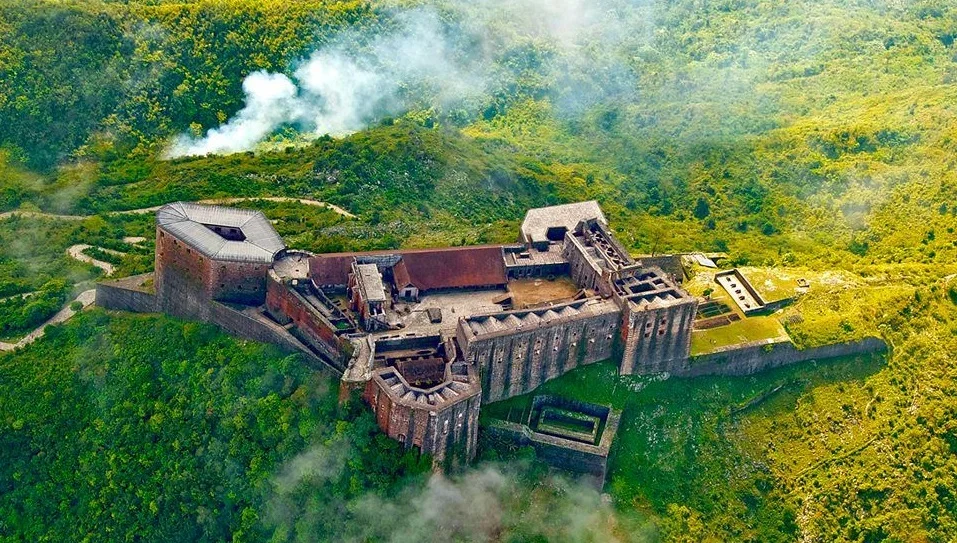
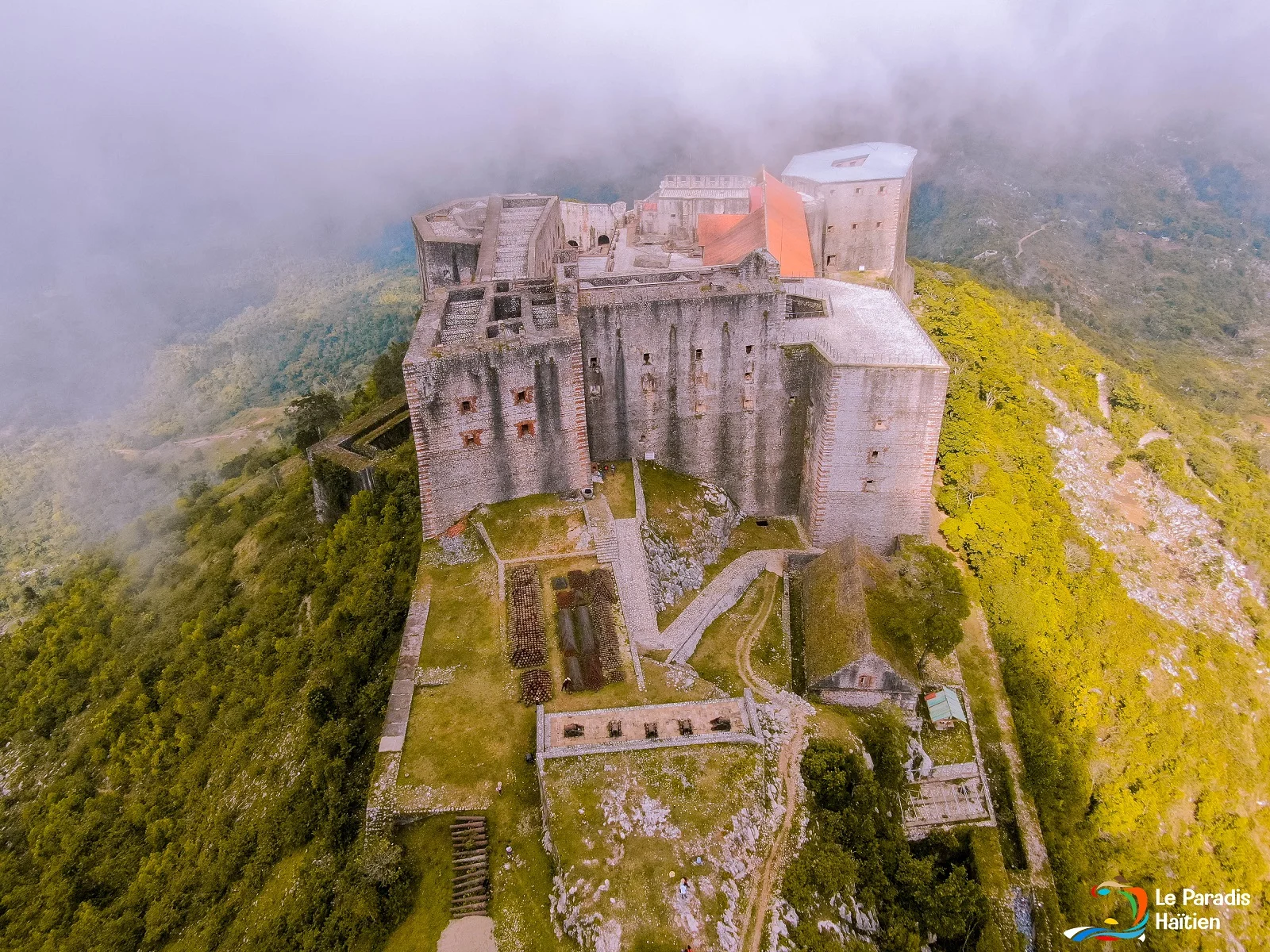
Haïti has a rich historical heritage, including sites like the Citadelle Laferrière and the Sans-Souci Palace, listed as UNESCO World Heritage Sites.

Culture

Culture

Haïti has a rich and diverse culture, influenced by African, European and indigenous elements. Haitian music, dance, art and cuisine are celebrated around the world.

  • +
    • Post