Haïti : Palais Sans Souci
The Sans Souci Palace is a former palace located in Haiti, near the town of Milot in the north of the country. It was built at the beginning of the 19th century during the reign of King Henry I (Henri Christophe).
The Sans Souci Palace was the royal palace of Henry I and was designed to rival European palaces of the time in terms of grandeur and architectural sophistication. It was surrounded by beautiful gardens and fountains, making it a luxurious place to reside. The name “Sans Souci” means “Without Worries” in French, which reflects the carefree and opulent ambiance of the place.
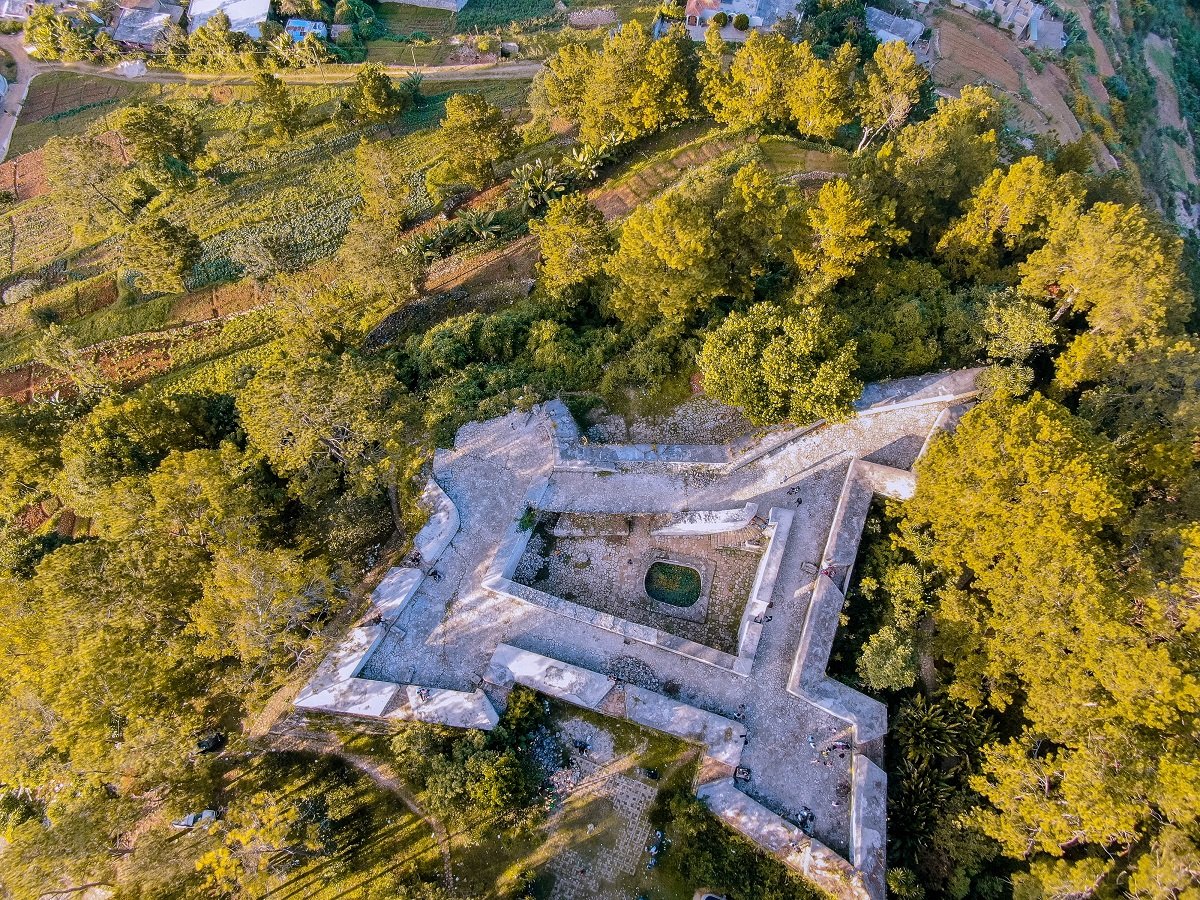





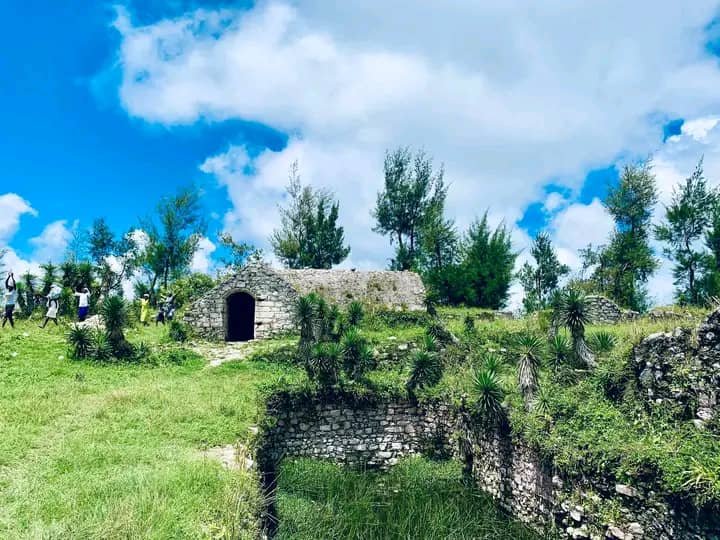
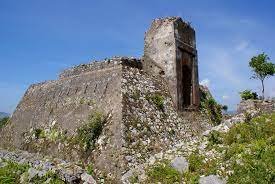
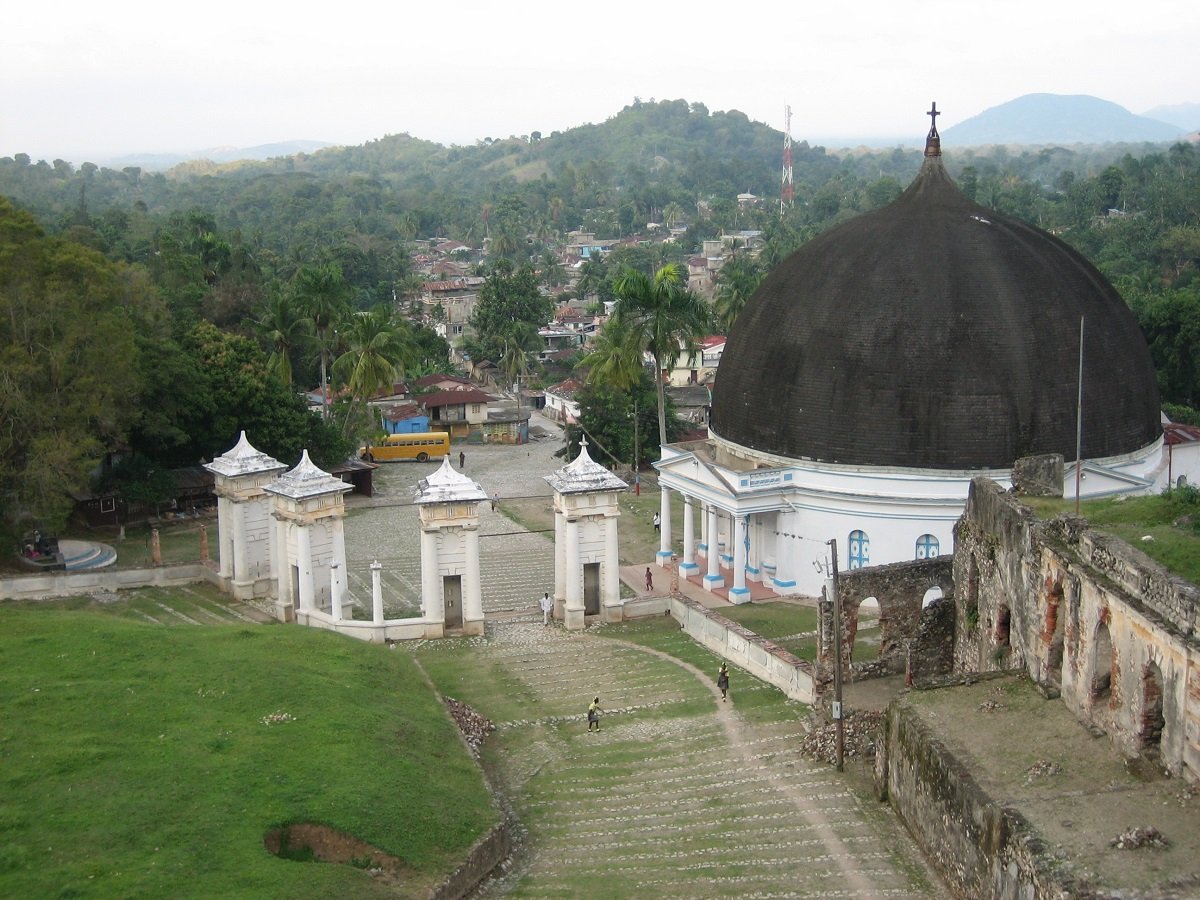
Unfortunately, the Sans Souci Palace was heavily damaged by an earthquake in 1842 and was never restored. Today, its ruins remain as a historical and tourist site. In 1982, the Sans Souci Palace was declared a UNESCO World Heritage Site, in recognition of its historical and architectural importance.
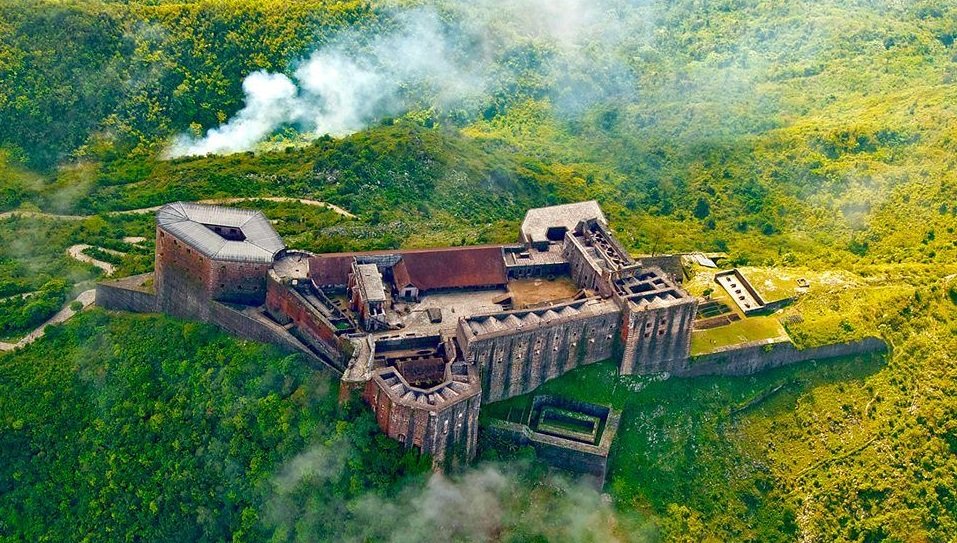
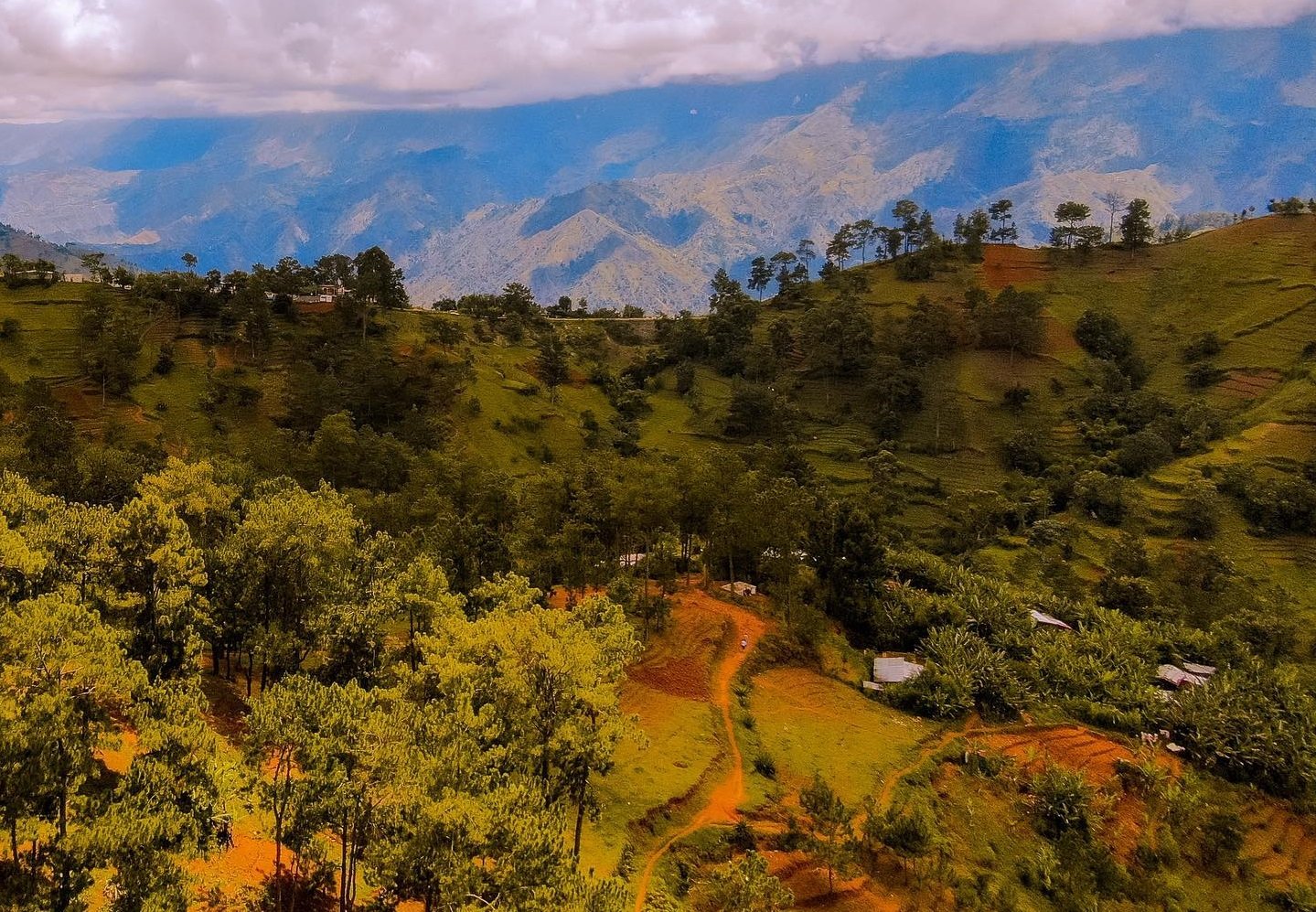
Visitors can explore the palace ruins and learn about the history of this period in Haiti’s history, as well as the life of King Henry I. The site also offers panoramic views of the surrounding countryside. The Palais Sans Souci is often visited in conjunction with the Citadelle Laferrière, an impressive fortress located nearby, which was also built by Henry I to defend the kingdom against foreign attacks.
Read the article in :